
How the beach boardwalk exemplifies three key retail trends

Summer is here and it’s time for my annual beach boardwalk-themed column.
I love a good beach boardwalk. Anyone who has been reading this column during the past couple of years, or seen my summer LinkedIn posts, knows my immense fondness for this mainstay of the summer beachgoing experience.
However, the boardwalk isn’t all fun and games. It also provides many examples of merchandising and customer engagement retailers in any location or vertical can follow all year long.
[READ MORE: More retail lessons from the beach boardwalk]
Here are three more boardwalk retail trends laying on the shore like shiny pieces of sea glass.
Mixed use
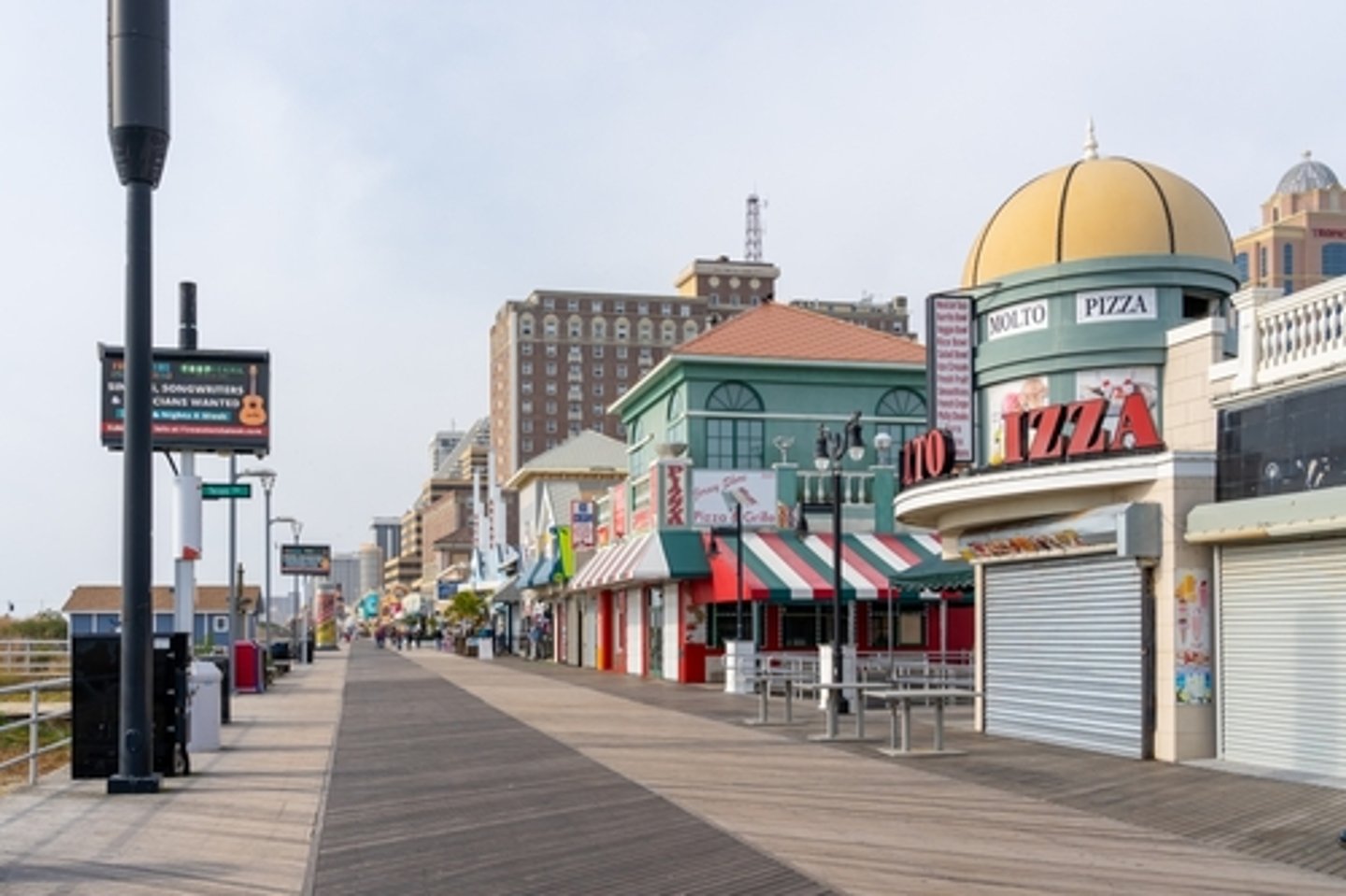
Mixed use centers that combine apparel and department store retailers with quick service and fast casual restaurants, grocery stores, movie theaters, experiential entertainment, outdoor recreation, and residential and office space are all the rage. But the boardwalk has offered this type of experience since the very first one sprang up in Atlantic City in 1870.
The classic beach boardwalk includes numerous retail stores, mostly apparel, souvenir, convenience/grocery, fast-food, bars and what might be called “beach stores” (more on that momentarily). But they also generally offer live entertainment, experiential retailing such as games and amusements, and in some cases casinos and even residential/office spaces. All strongly linked by the concept of catering to the needs of beachgoers.
Boardwalks have grown organically around their beach environment, rather than been hatched as fully planned notions by a developer. Shopping center developers should keep this in mind and pay close attention to the existing environments of their sites, and as much as possible fit centers into the needs and wants consumers are already expressing.
Hunt for treasure
Skull-and-crossbones pirate flags are a popular boardwalk souvenir, and like pirates shoppers on the boardwalk are often looking to see what loot is available without having a specific idea in mind of what they want to discover.
This makes boardwalk retailers ideal purveyors of the “treasure hunt” model of retailing. Frequently utilized in the off-price and clearance/closeout verticals, the treasure hunt model encourages consumers to visit a store and browse the aisles to see what is available.
Shelves are arranged somewhat randomly, and inventory spans a broad number of categories and may often change. On a macro-level, boardwalks function as a treasure hunt retail experience. A tattoo parlor may sit next to a video arcade which is next to a T-shirt shop. Exploring is fun and may result in discovering services and products you didn’t realize you needed (or perhaps wanted).
On a micro-level, many boardwalk retailers operate what might be generically referred to as a “beach store.” These emporiums of variety typically sell apparel, toys, food, beverages, beach gear, fireworks (where legal), souvenirs and knickknacks, small furniture, and more.
Inventory may vary greatly week to week and customers seeking a respite from the hot sun are likely to walk out with at least a couple of impulse purchases. Not every retailer can offer a full treasure hunt experience, but a store or website can have a dedicated section featuring odds and ends, clearance items, returns, and other unpredictable merchandise to give your customer experience a flair of the beach – or of buccaneer adventure.
Word of mouth
Finally, beach boardwalks are not typically hotbeds of formal advertising. Retailers operating on the beach tend to have minimal if any marketing budgets. What they do have is tremendous word of mouth, which has been amplified in this age of online discussion and review forums and social media.
People love to share vacation stories, especially about fun and interesting places to shop, eat and hang out. Social media platforms such as Instagram, review forums such as Yelp and discussion sites such as Reddit all feature consumers describing their experiences on the boardwalk. There is even a growing contingent of beach influencers to help spread the word.
Retailers should not ignore the value of word-of-mouth advertising, amplified by the fact it boosts AI search optimization rankings. Positive mentions on sites such as Reddit and Yelp can go a long way toward maintaining a strong presence in AI search results.
And consumers, especially younger Gen Z and millennial shoppers, now often look to influencers as their primary source of product discovery and purchase inspiration. To get some boardwalk-style word-of-mouth, retailers should try to add fun and novel aspects to their customer experience, as well as encourage posts via contests and rewards.
See you on the boardwalk - save me some fried dough!