
Retailers get uncertainty and an early start for the holidays


The "most wonderful time of the year" now begins in September, and this year might be called "most confusing."
The unofficial kickoff to the end-of-year holidays was traditionally Thanksgiving, with Black Friday marking the first full day for holiday shopping. Then retailers began hosting "early Black Friday events" earlier in November, which crept into October, and now well before even early Black Friday a variety of holiday promotions is taking place in the September-October timeframe.
As the holiday season starts earlier than ever, economic and supply chains are more uncertain than ever. All this leaves retailers scrambling to launch holiday promotions even as they’re not sure what prices they can charge or what products will be available.
Here are three factors that make this year’s holiday season extra-challenging for retailers, and suggestions for adapting to them:
The opening bell has sounded
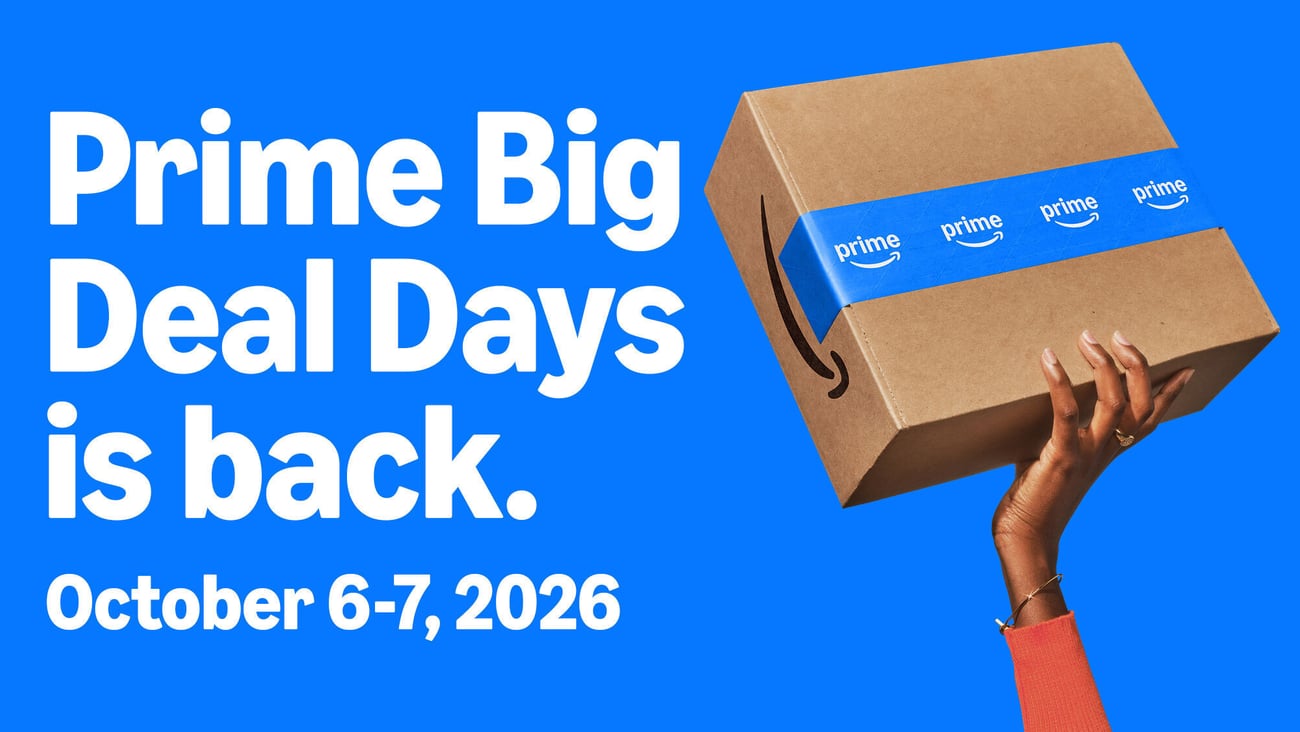
The holidays are here, at least as far as the retail promotional calendar is concerned. Amazon has already begun offering early discounts as part of its official kickoff to the 2025 holiday season, Prime Big Deal Days, which runs Oct. 7-8. Best Buy’s opening holiday promotional salvo is a 48-hour flash sale the weekend of Sep. 27-28
In addition, Best Buy and Target are both offering major holiday promotions that will overlap Prime Big Deal Days, and in recent years Walmart has also counter-programmed Amazon’s fall sales blockbuster.
If you haven’t already planned an early holiday promotional event, it is not realistic to try to create a full-fledged initiative on the fly. But technologies like generative AI and social media make it easier than ever to quickly develop and launch a digital holiday promotion that is ready to go when the calendar says autumn has barely begun.
Leveraging generative AI, retailers can create holiday promotional images, videos and other content in a fraction of the time and cost that used to be required. Social media platforms allow retailers to easily distribute this content at scale, and also potentially collaborate with popular creators and influencers in doing so.
Promotions can be as simple as a general reminder that your site and stores are ideal holiday shopping destinations or even include discounts on select items that are properly stocked. This brings us to the next two factors adding complexity to the 2025 holiday season:
Customers will spend, or maybe they won’t
To call the current economic situation “unclear” is an understatement. Although inflation is high and tariffs are adding volatility to both pricing and inventory availability, general consumer sentiment seems to be remaining in relatively good shape.
However, a variety of holiday spending forecasts have come out, and no two are like. Salesforce is predicting record digital holiday sales, while forecasts from AlixPartners, Deloitte and PwC have warned of a slowdown in sales with consumers looking for big discounts.
All this makes determining what products to put on sale for the holidays, and for how much, more challenging than ever. If at all possible, this season requires relying on both sales forecasting software and real-time tracking tools more than ever before.
Retailers that don’t have these types of solutions available in-house should examine options to quickly deploy hosted cloud-based tools that can help them build pricing forecasts based on their individual metrics and then adjust them as needed.
Consumer spending isn’t the only variable that will be trickier than usual this holiday season:
The great inventory mystery
Inventory has been a troublesome topic for retailers for most of the year, with the impact of tariffs, continuing geopolitical issues, and supply chains that are still facing disruptions with their roots in the pandemic shutdown all making obtaining necessary inventory at a desirable price more difficult than ever.
[READ MORE: Trump ends tariff loophole for low-cost shipments]
While many retailers have already acquired their holiday stock, some are still in the process and others may need to make in-season adjustments. It is too late to implement sophisticated sourcing, procurement, distribution and inventory management solutions if they are not already in your tech stack.
However, there are still some options for retailers facing possible under- or out-of-stocks of holiday items. Liquidators and business-to-business resale platforms always have discounted merchandise to move.
Given continued supply chain volatility, it is better to err on the side of caution this holiday season in regard to deciding if and when to purchase extra stock. In addition, there isn’t time to set up a fully hosted third-party marketplace, but retailers still have time to establish basic partnerships where a retailer, brand or influencer can post shoppable content on their site and then handle their own fulfillment, with some sort of revenue-sharing on sales.