
How next-gen tech can help retailers avoid branding flops

Branding efforts are always tricky, but advanced technology solutions can help retailers avoid the negative impacts of a brand-related misfire.
It has been a difficult summer for retail branding campaigns. Specialty apparel retailer American Eagle has faced public criticism for its “great jeans” ad campaign featuring actress Sydney Sweeney, which produced a mixed public reaction but also an apparent decline in store traffic.
[READ MORE: Sydney Sweeney’s American Eagle jeans campaign not ‘great’ for store traffic]
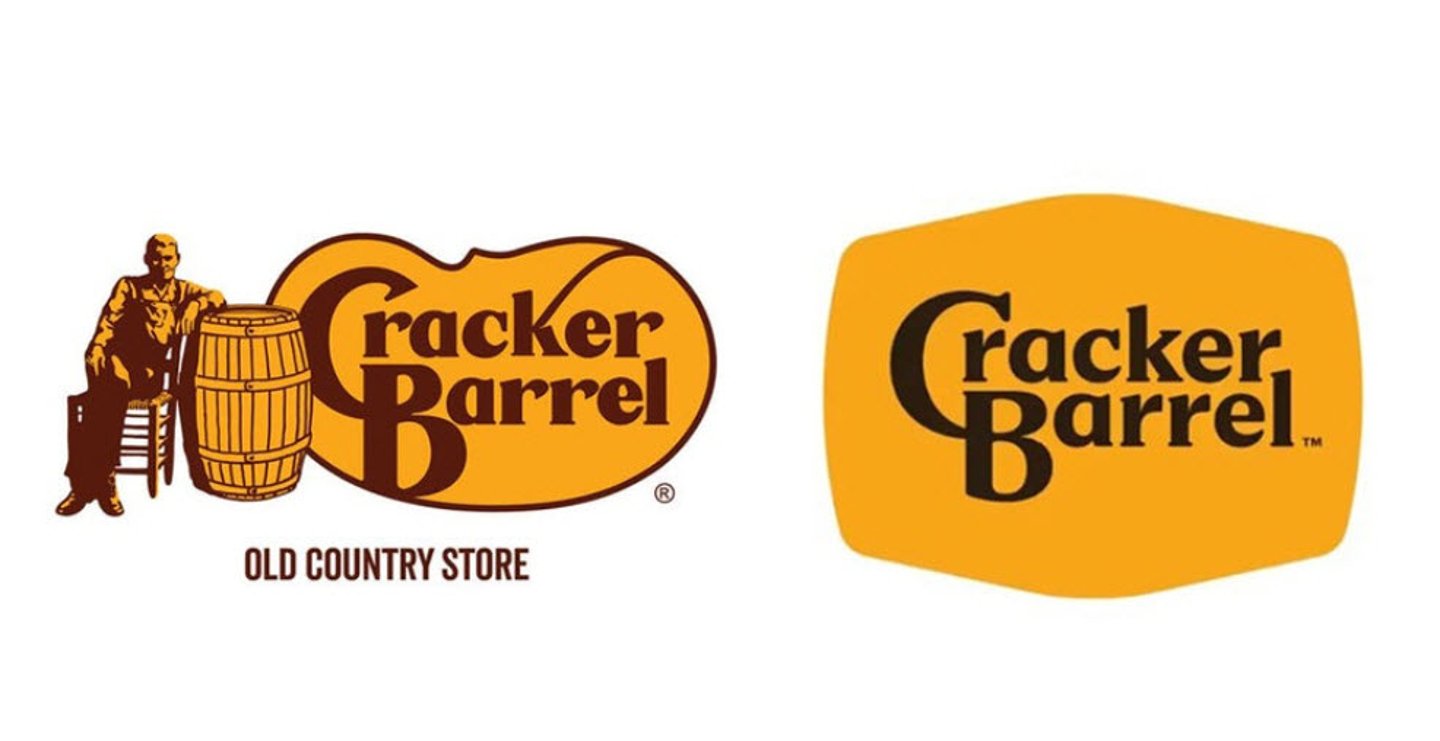
More recently, Cracker Barrel Old Country Store Inc. briefly refreshed its logo, interior store design and food offerings, but a lot of consumers liked things as they were. In response to public criticism of its rebranding efforts on social media platforms from sources including President Donald Trump, and CBS News reporting Cracker Barrel lost close to $100 million in market value on Aug. 21 due to a 7% dip in its stock price, the retailer went back to its previous logo featuring a character known as "Old Timer."
No initiative to upgrade, modernize or refresh your brand is ever foolproof. But several next-gen technology solutions are available that can help retailers greatly reduce the chance of a major flop and improve the potential for a successful corporate rebirth.
Social listening
Consumer social media activity provides a global and diversified real-time focus group retailers should leverage when considering or designing rebranding initiatives. For retailers who want to invest a little more time and money into what on the surface is a free consumer analysis tool, "social listening" solutions and services delve into broader consumer commentary across social platforms to discern consumer sentiment.
Once a brand refresh is put into effect, it is too late to rely on social listening for direction. But when considering changes to their brand presentation, retailers can delve into consumer chatter on social media networks to get a sense of whether they like or dislike certain aspects of their existing brand image.
Digital and virtual platforms
Once a retailer changes its logo, store layout, product offering, or other core aspects of its brand, it is very hard (as well as expensive and embarrassing) to change back.
However, retailers can test, limit or augment brand revamps using digital or virtual channels. For example, if social listening initiatives reveal that younger customers find your brand stale, but older customers still respond to it, you could create a new logo only used on your app or an upgraded store design featured on an immersive metaverse or gaming platform.
In addition, retailers can pilot branding changes via virtual channels and if response is less than hoped for, remove them at significantly less cost (and publicity) than with a full physical rebranding initiative, such as Cracker Barrel's high-profile logo controversy. And if response is positive, they can move forward with a broader brand refresh at a higher level of confidence.
Generative AI
By now, retailers are familiar with the capabilities of generative AI to gather and analyze massive sets of data at a depth and speed that are otherwise unobtainable. Generative AI analysis is another excellent predictive tool that retailers can leverage to help determine if a brand refresh will be successful before it is put into effect.
Unlike social listening, generative AI analytics can uncover links and patterns that would otherwise remain undiscovered (such as how the removal of one product from an assortment might positively or negatively affect sales of another item).
Retailers can also perform in-depth demographic analysis of potential branding activities to determine if some changes might be appropriate in certain areas or with specific customer groups. This could include using a new store design in certain geographic areas and altering product assortment in locations that contain large populations of a certain consumer demographic.