
Here’s how retailers should prepare for Prime Day in June


Prime Day is coming approximately a month earlier than normal, and retailers need to adjust their competitive strategies.
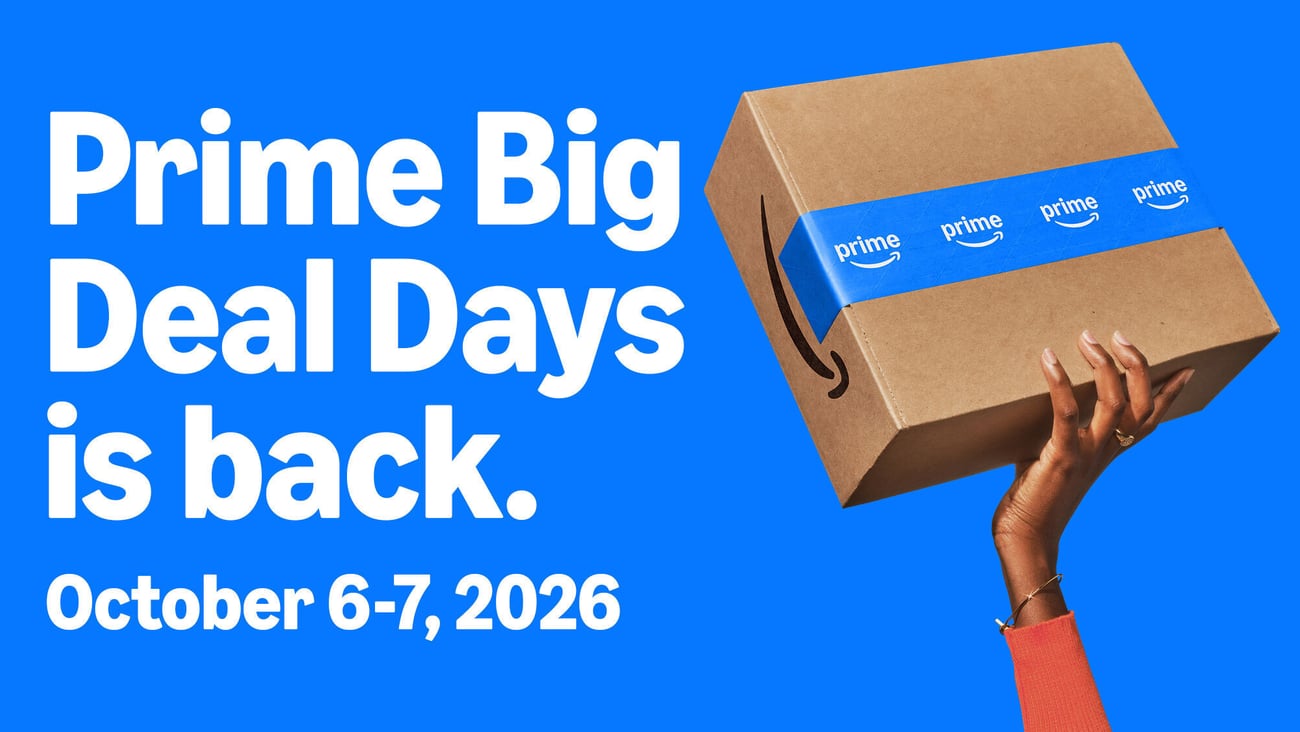
Amazon has announced it will move its annual Amazon Prime Day sales extravaganza, which requires membership in its Prime subscription service to participate, from its traditional mid-July setting to unspecified dates in June.
The only other two times Prime Day occurred outside of July were 2020, when it was pushed to October due to the COVID-19 pandemic, and in 2021 when Amazon hosted the event in June as the economy was still in recovery from the pandemic.
This time, media reports indicate major motivations for the change include having Prime Day occur in the second quarter of Amazon’s fiscal year rather than the third quarter, as well as capturing more back-to-school sales.
Typically, more than 100 retailers host some type of competing sales event in the same general timeframe as Prime Day. While there is no realistic hope of "beating" Amazon, the event is large enough that it produces a general surge of online traffic and sales that is more than worth pursuing a piece of.
But a June Prime Day offers a different strategic challenge to competing retailers than a July event, and changes in plans are necessary. Here are three ways retailers should alter their counter-Prime Day programs:
Rethink promotions
The July timing of Prime Day has made it the unofficial kickoff to the holiday shopping season. But June is a tad early to engage in heavy holiday positioning (although a few early holiday deals wouldn’t be out of place).
Instead, retailers should take the opportunity to follow Amazon’s lead and get a jump on their back-to-school promotions, which in 2025 had begun by early July before Prime Day took place.
In addition, retailers should look at a June sales extravaganza as a good opportunity to capitalize on the growth of Halloween as a major consumer spending event and the emergence of a Halloween promotional season which now begins in the spring.
[READ MORE: How early Halloween is changing retail]
Clear inventory
In addition to getting a jump on back-to-school season, Amazon also reportedly is moving Prime Day up to capture more sales in the second quarter. But the movement of Prime Day to late second quarter instead of early third quarter (at least for retailers following a traditional fiscal calendar) also makes it an ideal opportunity to help optimize quarterly inventory levels.
Retailers should identify products that are well out of season or not selling to expectation and promote them as flash deals, special discounts, two-for-ones, etc. to improve quarterly inventory performance.
In addition, this will help make room for the holiday stock which will start arriving in July and possibly not sell quite as well during the summer months as it normally does when Prime Day marks the start of the holiday shopping season.
Seek partners
Finally, retailers have a shorter window of time to get ready for Prime Day than they normally do. Finding partners to help prepare and execute June promotions is more important than ever. This can include third-party sellers for retailers that host marketplaces, as well as influencers, creators, celebrities and social media platforms.
By offloading some of the heavy lifting to partners (who are willing to collaborate at a reasonable price), retailers can help ensure Prime Day in June is a welcome early visitor and not a rude guest that doesn’t know when they’re supposed to show up.