
Shoptalk 2026: Keeping humans in the AI loop

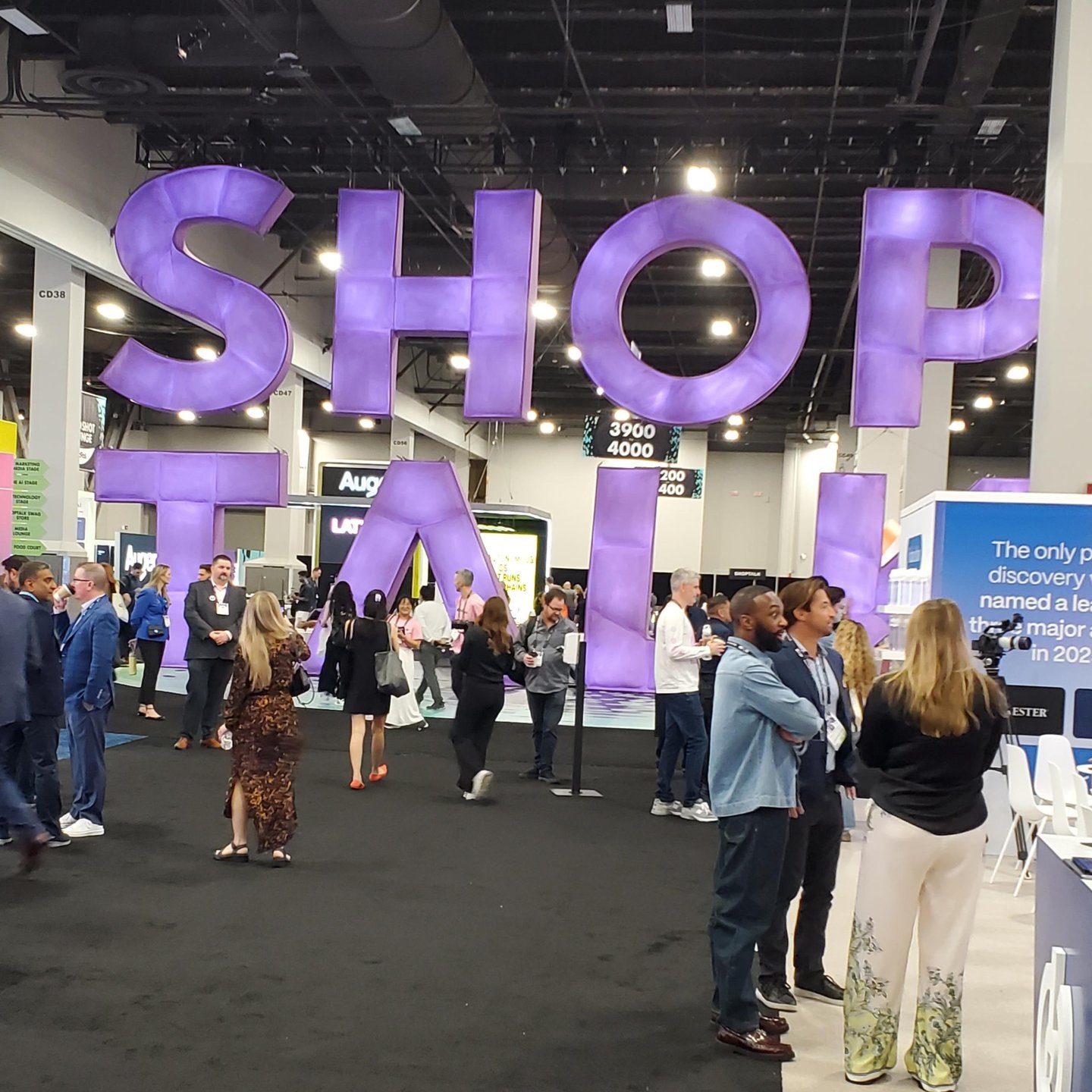
The human side of artificial intelligence was on full display at the Shoptalk 2026 conference in Las Vegas.
The theme of the 2026 edition of the annual Shoptalk retail technology conference was “Retail in the Age of AI.” However, the unofficial slogan which could be heard time and again from speakers, exhibitors and attendees was “Keep humans in the loop,” meaning the AI loop.
In what is undoubtedly a reassurance to anyone who fears AI will eliminate their job or even take over in a dystopian scenario out of the “Terminator” film franchise, Shoptalk conversations and content revealed numerous areas of retail in which humans are very much remaining a critical component of the AI retail loop now and for the foreseeable future.
These include:
Shopping
In a session covering consumer attitudes toward AI, Sky Canaves, principal analyst, retail & e-commerce, EMarketer, reviewed data from EMarketer showing that most consumers want to remain very much in control of AI-aided shopping experiences.
“Retail’s next era will be defined by three types of consumers,” said Canaves. “Human consumers, human consumers using AI shopping assistants, and AI agents. The hybrid AI-powered human will be the most disruptive.”
Canaves reviewed EMarketer survey data showing that a leading 49% of consumers currently use AI for shopping-related help to assist research, while 23% use it for recommendations and only 28% combined use it as decision-maker or even co-decision maker, indicating almost three in four shoppers only use AI to help inform their own independent purchase decisions.
In addition, only 17% of consumers using AI shopping assistants to begin a product research effort, and only 10% make purchases on a native AI chatbot or interface, further suggesting AI is a supporting tool and not a driver of consumer behavior.
And in an on-site conversation with Chain Store Age, Fiona Tan, CTO of Wayfair, said the omnichannel furniture retailer utilizes AI to help customers manage the decision-making process for its high-touch, high-value product assortment.
[READ MORE: Wayfair partners with Google to boost agentic AI commerce]
“We use AI-generated imagery that shows our products so that customers can see different views of them,” said Tan. “AI also provides summaries of reviews and product details. Customers are engaging with those and finding it to be helpful.”
Merchandising
Tan also touched on uses for next-gen AI technology in the back end, including aiding product merchandising efforts such as catalog enrichment.
We work with a lot of suppliers,” said Tan. “How do I take what they give me and make sure that I am able to look for anything that's missing or erroneous and help correct it.”
Utilizing technologies such as agentic AI, Tan said Wayfair can make sure it represents suppliers’ products as accurately as possible while a customer is shopping them. She also said that in general, Wayfair is developing AI-based workflow automation capabilities, and also the ability to inject AI data directly into workflows as they are being performed.
Store associates
The potential leading-edge AI holds for improving the performance of store associates was more of a buzz heard in multiple conversations on the exhibit floor. Associates now deal with an increasingly sophisticated consumer who comes into the store having often researched product details and prices using AI and asks detailed questions with expectations of an immediate answer.
By equipping associates with AI tools, which can often be delivered via their own personal mobile devices, retailers can ensure that associates are able to offer the level of customer service today’s shoppers expect, without extensive additional training.
And the human associate is still a crucial aspect of the brick-and-mortar shopping experience. AI just helps them do their job better.