Predictive Analytics

  • IBM: Holiday shoppers go high-tech

    Retailers just went through an increasingly digital and mobile holiday season.

    According to analysis performed by the IBM Watson business intelligence platform, the average order value for the mobile and desktop shopper combined was $127.49, up 2.5% from 2014 ($124.33).

    Consumers also shopped via their mobile devices in growing numbers. Mobile traffic exceeded desktop, traffic, accounting for 52% of all online traffic. This was a 17% increase in mobile traffic from 2014.

  • Study: Have a happy, mobile New Year

    Mobile purchasing looks set for major growth in 2016.

    According to new projections from Bizrate Insights, a division of Connextiy, based on month-over-month order volume in November 2015, mobile website purchases will increase by as much as 68% from 2015 to 2016. The peak volume during the 2016 holiday season may reach as high as 42%, nearly half of all online orders.

  • Start-up offers retailers new ways to resell, recycle, donate returned goods

    A new start-up, Optoro, is offering retailers alternative ways to sell their returned goods via a software platform that tracks returns, assesses, which channel is the most effective for each returned item, and routes products to those channels. While most retailers typically recover only about 20% to 40% of the retail cost of returned goods, Optoro helps companies recoup 50% to 70% of the cost, according to a report by the New York Times.

  • Study: Watch buyers getting smart, retailers should too

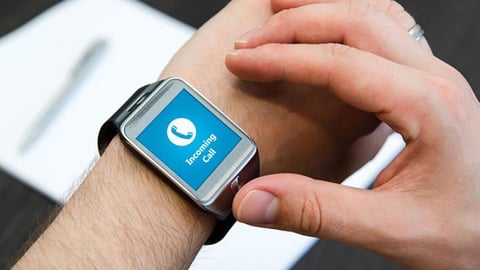
    Smartwatch-based commerce only represents a sliver of total e-commerce, but that may soon be due for a change.

    According to new research from Mintel, smartwatch sales are set to boom in the near future. While only 6% of Americans currently own a smartwatch, 21% of consumers who purchased a watch in the past 12 months say they are very interested in the smartwatch trend. And 24% of consumers have bought a watch in the past 12 months.

  • Pitney Bowes: The top five e-commerce drivers for 2016 are …

    In the coming year, seamless technologies that blend physical and digital channels will have a major impact on e-commerce.

    According to Pitney Bowes, five key developments will primarily drive e-commerce in 2016. These are:

    1. Internet of Things (IoT) technologies will drive better business outcomes

  • Unlocking the analytics code with AI

    Retailers and suppliers have a new ally in their efforts to unlock actionable insights from the proliferation of data thanks to what Enhanced Retail Solutions contends is groundbreaking new functionality in its Intelligent Retail Platform.

  • Bed Bath & Beyond issues worrisome warning

    The holiday season got off to a horrible start at Bed Bath & Beyond and things went downhill from there, judging from the industry leader’s uncharacteristic and concerning profit warning.

    The company badly missed its third quarter sales and profit forecast for a period that included most of Thanksgiving weekend, and said its same-store sales for the fourth quarter were likely to increase 1%.

  • Interior design firm enters retail with analytical help

    Alice Lane Home, a Salt Lake City-based interior design firm which is opening brick-and-mortar showrooms, is ensuring stores meet customer needs.

    Alice Lane Home opened its first store in Farmington, Utah, in 2008 and a flagship location in Salt Lake City in 2014. The retailer is now deploying the RetailNext store analytics platform at stores in Salt Lake City and Orem, Utah, with an eye toward future brick-and-mortar growth.

  • Tyco minds the store with latest acquisition

    Security technology specialist Tyco International plc is continuing to expand its focus on providing store analytics to retailers.

    Tyco has reached a definitive agreement to acquire ShopperTrak, a global provider of retail consumer behavioral data and location-based analytics, for approximately $175 million in cash.

    Based in Chicago, ShopperTrak provides customer traffic and related intelligence to more than 1,200 retailers in 97 countries.

  • Home Depot makes more environmental improvements

    The pursuit of sustainability goals at Home Depot has been such a boon to efficiency the company just set major new goals.

    The retailer said by 2020 it plans to reduce total energy use by an additional 20% below 2010 consumption levels and procure 135 megawatts of electricity from a combination of onsite fuel cell and solar installs in addition to offsite solar and wind sources.

X
This ad will auto-close in 10 seconds