Business Intelligence (BI)

  • Retailers: Find the Marketing Payoff in Your Data

    In a field rich with potential customer data, retail marketers are feeling more data-wealthy than ever as data big and small seem to rule the world. Meanwhile, though, the promise of all this data has lured more than one retailer into a frustrating marketing technology maze that didn’t pay off as planned, sending them in too many directions for too long to cost-efficiently find the customer magic they were promised.

  • Three Trends Impacting Retail Tech Outsourcing in 2016

    Information technology outsourcing (ITO), or the strategic hosting and management of technology solutions, services and personnel by a third-party provider, is a popular way for retailers to quickly increase their technological capabilities, and also lower their IT-related capital expenditure.

    Jeff Seabloom, managing director at Dallas-based global advisory firm Alsbridge Inc., spoke with Chain Store Age about three trends he sees having a major impact on retail ITO in 2016.

  • Cloudy with a Chance of Managed Workforce

    Retail cloud technology deployments have been getting a lot of attention lately. However, the most publicized retail uses of cloud technology tend to be flashy, front-end implementations. For example, cloud platforms are frequently deployed to support the seamless customer experience that underpins omnichannel retail strategies. But the cloud is not just suited to running customer-facing systems. Cloud technology can also serve as an ideal platform for back-end systems and functions, such as workforce management.

  • IT Outsourcing

    The need for technology innovation in retail has never been greater, and the proper assets and expertise are not always available in-house.

  • Shoppers are taking a ‘mobile first’ approach

    Retailers who develop their e-commerce environments for mobile phone users appear to be on the right track.

    According to the new Q3 Shopping Index from e-commerce platform provider Demandware Inc., tablets now account for only 11% of digital commerce traffic, down 22% from its peak of near 15% in the first quarter of 2014.
    Meanwhile, mobile phones account for 41% of digital commerce traffic. Desktops still lead with 48% of traffic, but the only platform showing traffic growth is mobile phone.

  • The missing piece of omnichannel retail: returns

    It’s almost time to stop using the term omnichannel retail.

    Modern customers have told retailers that they expect consistency across channels during their shopping journeys. That caused some disruption several years ago, but the market responded.

    Retailers that haven’t grasped the concept of omnichannel and implemented it successfully are generally out of business or losing serious market share to slicker competition. The term omnichannel has more or less become superfluous: It is now implied in the simple term retail.

  • Cash receipts: not going anyway anytime soon

    John Bultema, executive VP, treasury management and currency processing solutions for Fifth Third Bank, spoke with Chain Store Age editor Marianne WIlson about the current status of cash receipts in retail store. And how they aren’t going away anytime soon.

  • Google mobilizes shopping experience

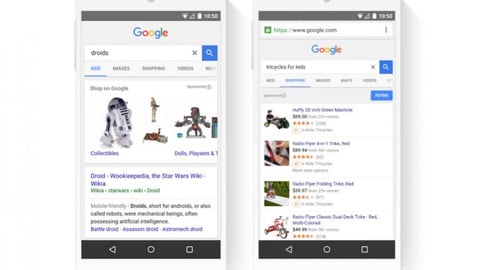
    Just in time for the holidays, Google is revamping its Google Shopping online marketplace to make it more mobile-friendly.

    In a blog post, Google explains that mobile shopping-related searches now exceed desktop-based shopping-related searches, meaning online shopping has shifted from a “marathon” to “moments.” To help better capture mobile consumers at the moment they are looking to buy a product, Google is now displaying the most commonly searched categories in response to broad search terms.

  • Specialty grocer stocks up on supply chain compliance

    Bristol Farms, a 13-store specialty grocery chain, is making food safety a priority.

    The Carson, California-based retailer has selected technology from ReposiTrak Inc. to manage regulatory and business documentation compliance within its supply chain.

  • 5 myths about digital gift cards

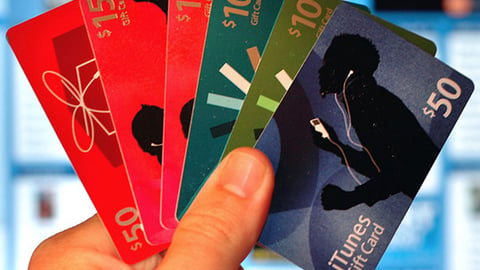
    Digital gift cards are less risky than retailers think, and that’s not the only common piece of online fraud “wisdom” that is false.

X
This ad will auto-close in 10 seconds