EXCLUSIVE Q&A: Amy Sullivan, president, Bed Bath & Beyond

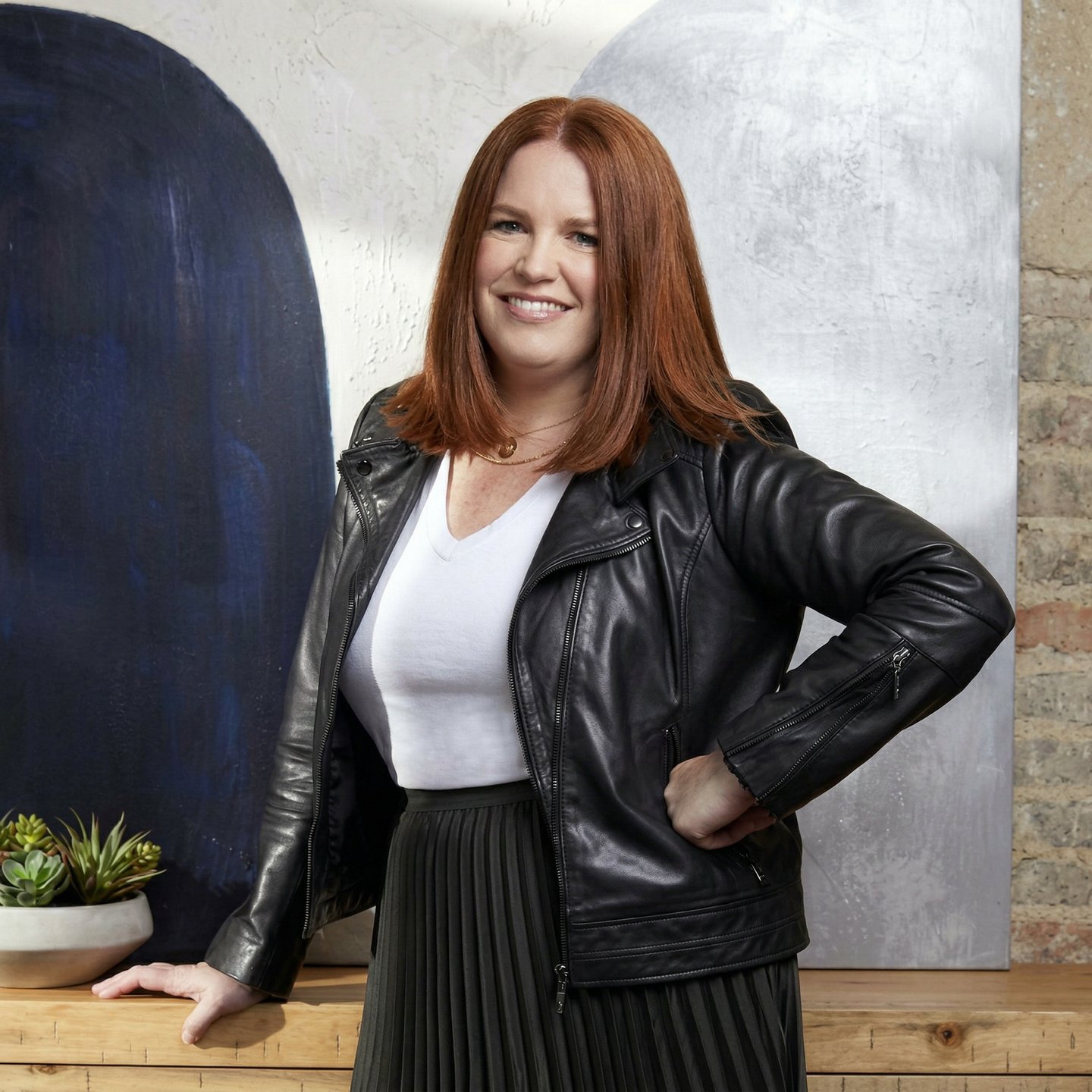
The new president of Bed Bath & Beyond is wasting no time in pursuing multiple corporate growth strategies.
Chain Store Age recently spoke with Amy Sullivan, president & CEO of Bed Bath & Beyond, about the retailer’s activities in areas such as mergers & acquisitions, branding, merchandising and artificial intelligence. Sullivan was recently appointed to the position after serving as president of Kirkland’s, which Bed Bath & Beyond purchased as part of a larger acquisition in September 2025.
How would you describe the ‘Everything Home’ strategy?
Bed Bath & Beyond believes there is an immense opportunity to build our brands off trust and interacting with the customer around the four walls of her home and the four corners of her property. We are seeing positive signs of results in those brands, but they could be so much more if we were offering her products and services around her home.
How did Bed Bath & Beyond’s recent acquisitions fit ‘Everything Home’
Our recent purchases of The Container Store and Lumber Liquidators gives us high-margin, trusted brands that offer us the ability to sell things to the customer, engage in her home, and start to make her think of us for every part of her home ecosystem.
If we're being honest about The Container transaction, Elfa (Editor’s Note: The Container Store’s Sweden-based Elfa customizable closet systems, shelving solutions, and space optimization products brand) was the prize for us. We believe the Elfa brand can and should exist outside of The Container Store, so we will maximize the distribution of Elfa in the U.S.
But The Container Store also has huge brand equity. The two things from the transaction that complement each other the most are Bed Bath and Beyond and Container Store. They're really completions of one another, and they don't have a lot of direct overlap.
In addition, we hope to come back big this year in the college market, and both brands are known as being for people having life stage changes, whether it's moving into a new apartment or going to college, so they're such great complements of one another that it feels like a ‘better together’ moment.
How did acquiring Kirkland’s parent The Brand House Collective change Bed Bath & Beyond?
Kirkland’s is 60 years old this year and is best known for fast fashion, home decor. If you look at the other brands in our portfolio, they are essentials for your home and foundations for your home. Kirkland’s is really the other part of that. It is for the home decorator and the home entertainer. When it gets back to its roots of being seasonally relevant, home decor is very healthy.
[READ MORE: Bed, Bath & Beyond to acquire Brand House Collective]
Kirkland’s historically has been a regional chain. As we bring Kirkland’s to its full potential, the storefront will say ‘Kirkland’s by Bed Bath and Beyond.’ We think that halo effect of having access to the Bed Bath & Beyond customer database and marketing resources can start to build this family of brands that can work together and have their own unique identities.
What role does technology innovation play in Bed Bath & Beyond’s corporate strategy?
Bed Bath & Beyond is in the process of a big technology transformation. We have brought in outside support from Alvarez, and they are providing us a scorecard of where we are today while we give them our ‘North Star’ vision of how do we embrace AI, reduce the cost of customer acquisition, and get closer to the consumer utilizing our apps and tools and services we provide in her everyday life.
Technology is probably the one area of all of our businesses that you will as driving the most transformation in the next 12 to 18 months. We want the tech experience to not only enable our employees to be better at their jobs, but to offer customers a single sign-on when you shop any of our brands.
We also want one master loyalty program where customers can earn and trade points among the brands and all of those initiatives require a better, seamless customer experience.
The way we think about lead generation and demand generation will evolve as well. We have a hefty roadmap in front of us, and we are augmenting our talent and our team with the right resources to figure out how to maximize AI to move faster than we've historically moved.
Are there any other future plans you can discuss?
One significant focus will be on ensuring that the brick-and-mortar fleet of stores, regardless of brand, has the right experience, both from the way we engage with customers and also through well-calculated capital investments back into our real estate strategy to make sure we are in real estate we're proud of and in stores that we're proud of.
Ultimately, we want to have a fleet of corporate-owned stores, but we're also going to franchise small-format versions of all our brands to local owner/operator models. The catalyst of why Kirkland’s and Bed Bath & Beyond started working together was because of the size of the Kirkland’s stores. We will start the franchise process later this year.