
Q&A: Helzberg Diamonds streamlines store performance tracking

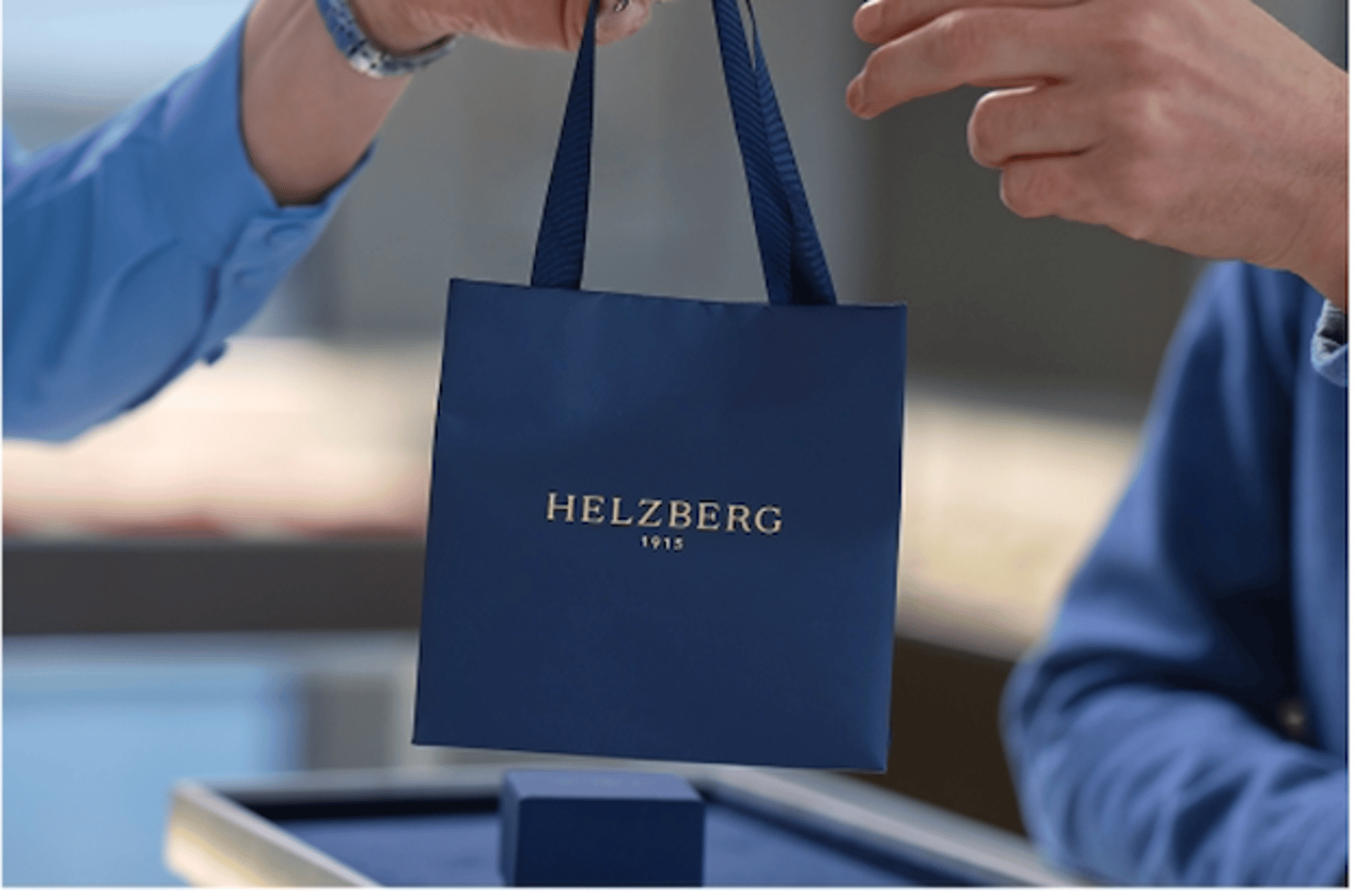
Helzberg Diamonds is automating the detection and notification of store operations issues before they become major problems.
Chain Store Age recently spoke with Ryan Holm, divisional VP of retail innovation and operations at Helzberg Diamonds, about how the jewelry retailer identified gaps in its ability to monitor, uncover and resolve store operations problems in a timely manner and deployed the Zipline ZipCoach solution to help obtain necessary oversight and maximize store performance.
What store performance issues was Helzberg having?
We were working on a challenge every retail leader faces when they oversee multiple locations or departments. For us, that's our regional managers, who lead a group of stores and naturally spend most of their time where they're needed most, while meanwhile behaviors in other parts of the business can drift before anyone notices.
It's also hard to get a complete picture of a store or department from a single visit or walk-through. Helzberg wanted to find measurable behaviors we could identify early before they turned into performance issues.
[READ MORE: Helzberg Diamonds to unveil new store concept in New York, Dallas]
What made you select Zipline?
Helzberg started partnering with Zipline in 2023 to provide one holistic place to publish and edit corporate communications and house our resource library. We also wanted a sanctioned way for store teams and every level of our field hierarchy to chat with each other, so they didn't have to rely on group texts or chat apps. When we started looking for a way to help our regional managers spot behavioral drift earlier, we already knew Zipline understood our business and how our field teams work.
During a conversation with the Zipline team, we arrived at the idea to deploy ZipCoach together, and it grew into a co-innovation partnership from there.
What root causes did Zipline identify?
There were many, and one of the biggest lessons was that not every root cause is actionable. Zipline's data science team surfaced plenty of patterns, and we had to be disciplined about which ones made our final list of indicators. For example, we saw a perceived performance boost when store managers read the e-commerce messages, and it turned out those messages were commonly prompting them to fulfill a web order.
This was a real pattern but was not a behavior we could create more of or use to drive performance, so it didn't make the cut. If a leader can't coach to it, it doesn't belong in front of them.
For some of the indicators we kept, we already had reporting. But there's a big difference between a leader going into a report to look for patterns and having the trends, the detail and the historical evidence show up on their own in an app they already use every day. Zipline also found root causes we hadn't been able to see before. Now both the known and the new show up in one place as measurable patterns of behavior our leaders can act on.
How did you resolve these issues once they were discovered?
ZipCoach isn't a magic bullet, and it isn't meant to resolve things on its own. It's a tool that empowers our leaders by surfacing the right behavior at the right time, but nothing replaces human connection and we're not trying to replace it.
When ZipCoach flags something, the leader decides how to respond. Sometimes the answer is clear, like assigning a learning course through Zipline's learning management system. Other times it's sending a task to the store manager or recording a one-on-one coaching conversation. We're giving leaders better tools to stay on top of the analytics so they can spend their energy on what they do best, which is connecting with and leading their teams.
Do you have any future plans for the Zipline solution?
We expanded ZipCoach through a pilot, and we're thrilled to have it live for all of our regional managers this holiday season. ZipCoach has become an engine; the more data it's fed, the more powerful it gets. For example, when we tied in data from Legion, our workforce management platform, it gave us real insight into how average shift length affects performance. It wasn't just that shifts could run too long. They could also be too short, and we found a sweet spot we can now target.
I have already talked with Zipline about other data sources we could bring in to make it even stronger. We're excited about the future and continuing to build with Zipline.