

How to protect your supply chain against weather disruption

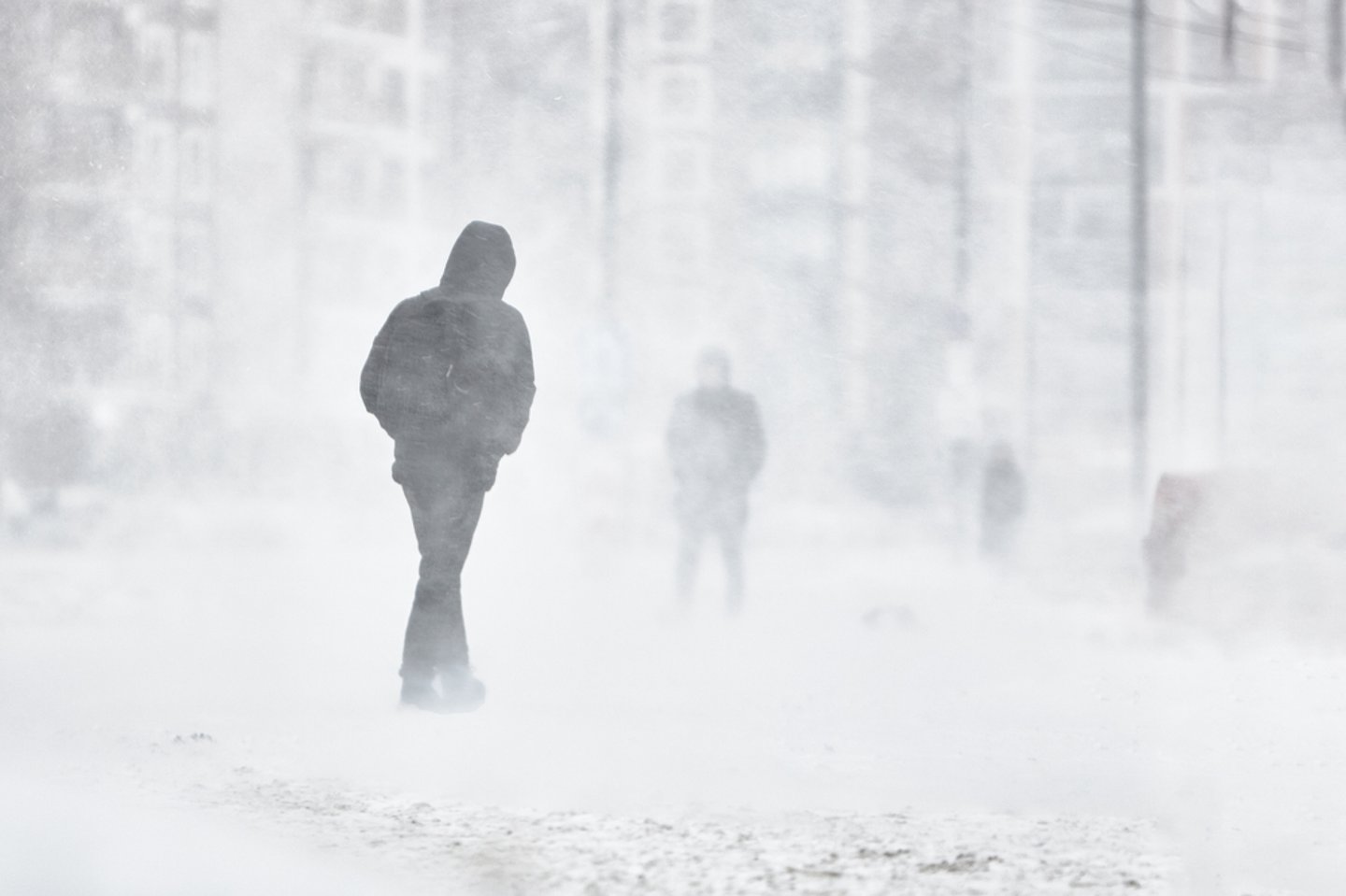
Sometimes a storm can confound even the best weather forecasting systems.
However, with a combination of technology and strategy retailers keep the products customers need flowing through any climate-related disruption. Much of the Northeast was snarled by a powerful, multi-state blizzard that dumped feet of snow Feb. 22-23. Until just a couple of days before it hit, most weather forecasts were calling for it to mostly stay out to sea and not cause a major impact.
However, the appearance of an Arctic air mass changed everything rapidly. Suddenly a major blizzard was approaching, too quickly for most retailers to execute a detailed response plan. But by having some key solutions and strategies in place, retailers can successfully navigate these types of weather scenarios, wherever and whenever they occur.
Plan ahead
Nobody knows how a winter will be weatherwise until it is done, and local patterns can deviate significantly from the overall statistical norm. However, retailers can assume that certain areas of the country will see at least some cold rain and snow between December and March.
With that in mind, retailers should allocate their winter inventory according to regional demand patterns that include historical weather information as well as localized preferences, demographic conditions, holidays, etc.
In addition, if possible retailers should engage in “forward distribution,” a strategy used by entities including Amazon Warehousing and Distribution (AWD) that entails anticipating the final destination of bulk inventory and storing it closer to that point.
Of course, advance planning does not guarantee against inevitable surprises and aberrations in winter weather events. The next two suggestions will help retailers come through even when their best laid plans go awry.
Distribute your inventory management
Any homeowner in a cold weather area known that heavy concentrations of ice and snow can wreak major havoc on roofs. During a snowy New England winter several years ago, I became concerned with the ice and snow piled on top of my house and checked the website of a major DIY retailer to see a “limited stock” of roof rakes was available at my local store.
When I got there, I found out "limited" meant "none, and nothing is coming to this area, either." The sites of a few other national DIY chains showed no roof rakes to be found anywhere nearby. And this wasn’t a situation where I could order online and wait.
In desperation, I visited a small local hardware store. It had a few roof rakes in stock, along with a helpful customer experience where the owner gave me tips on how to best clear snow off a roof. This is how the little guys stay in business. Meanwhile, the big guys should leverage distributed inventory management and real-time inventory tracking to adjust in-store stocks of seasonal items according to real-time local demand variation.
A major national chain should be able to identify and ship excess winter inventory from stores in areas that aren’t experiencing extreme weather to those that are. The resulting reduction in clearance sales should more than make up for the extra shipping and stocking costs.
Collaborate
Finally, by collaborating with suppliers and other service providers, retailers can potentially improve their ability to manage unexpected weather events or any other supply chain shocks. This can include utilizing supply chain strategies that deliver products directly to customers, such as drop-shipping or third-party logistics partnerships.
[READ MORE: Lane Bryant launches drop-shipping program for third-party sales]
In addition, retailers can enhance their capability to quickly provide customers with the products they need via collaborations with on-demand delivery platforms, crowdsourced delivery driver services, and by establishing online marketplaces where partner brands sell products directly through their site.
Doing it all yourself is never easy, and in the modern connected business environment entering a helpful collaboration has never been easier. Bring on the snow!