
Why Black Friday is still a big deal


Even as holiday sales are kicking off in late September, the Friday after Thanksgiving remains a critical date on the retail calendar.
The term "Black Friday" entered the popular vernacular in the 1950s, when retailers began focusing on the Friday after Thanksgiving as a date to host major holiday kickoff sales. In more recent years, retailers have been launching early Black Friday promotions well before Halloween, blurring the once strict 24-hour timetable of the event.
[READ MORE: Retailers get uncertainty and an early start for the holidays]
However, a traditional, date-specific Black Friday event remains a crucial part of any retailer’s holiday promotional strategy. Even if you offer early Black Friday discounts, you still need to carefully plan and execute an omnichannel sale that takes place the Friday after Thanksgiving.
Here are three reasons why the "classic" Black Friday promotion still matters:
The numbers have it
Black Friday continues to reign as one of the biggest shopping days of the season. Total U.S. retail sales on Black Friday rose 3.4% year over year in 2024, according to Mastercard SpendingPulse, which measures in-store and online retail sales representing all payment types and is not adjusted for inflation. Online retail sales increased 14.6%, while in-store sales inched up 0.7%.
And a new survey from LendingTree shows that even though consumers express concerns over inflation, 64% of Americans plan to shop on Black Friday this year and one-third will spend at least $500 while half will spend $100 to $499.
That money is going to be spent whether you’re actively running a Black Friday promotion or not, so you might as well participate in the promotional activity and claim some of it.
Holiday wonders in store
According to recent projections from Capital One, 81% of retail sales in 2025 will occur in brick-and-mortar stores. In addition, a survey from Quad shows that 74% of consumers describe in-store shopping as the best way to get into the holiday spirit, 66% say that some of their favorite gifts have come from unexpected in-store discoveries and 70% say they are more comfortable spending on higher-priced items in-store.
While Black Friday has evolved into an omnichannel event (more on that in a moment), it still represents the biggest in-store shopping day of the year.
By drawing customers into the store with Black Friday promotions, you engage with them in the premier shopping channel and can also help drive purchases of larger-ticket items, as well as inspire impulse and ancillary purchases that would not happen online.
It’s not just for brick-and-mortar anymore
As mentioned above, Black Friday is no longer strictly about getting customers to line up outside your stores at 4 a.m. According to Adobe Analytics data, consumers spent a record $10.8 billion online during Black Friday 2024, up 10.2% year over year from $9.8 billion and more than double the $5.03 billion consumers spent online during Black Friday 2017.
In addition, Adobe tracked an 1,800% increase in Black Friday traffic to retail sites from generative AI chatbots compared to Black Friday 2023, and a torrent of new AI shopping agents that have been released since that time will likely push growth in this channel further.
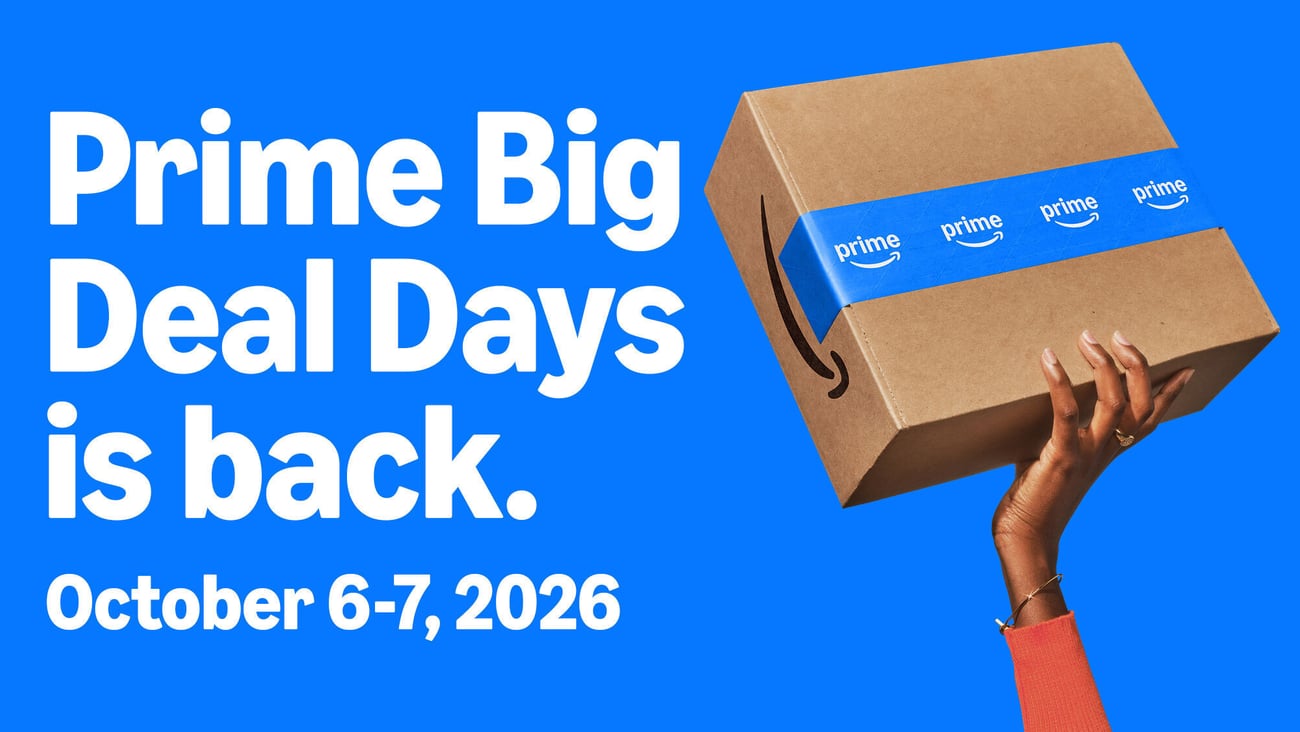
Retailers such as Amazon are also increasingly turning to digital retail platforms such as livestreaming and social shopping to host holiday and Black Friday sales events.
Black Friday is also an important online shopping event, and your promotional strategy should encompass digital engagement. Yes, Virginia, there is still a Black Friday, you just need to believe – and act.