News Briefs
- 7/23/2026
Most consumers have used an AI shopping agent

Artificial intelligence agents are rapidly moving into mainstream U.S. consumer shopping behavior.
Nine-in-10 U.S. consumers surveyed by global AI deployment partner CI&T have either used an AI agent when shopping or are open to doing so in the future. This figure includes the three-quarters (74%) of respondents to the CI&T “Retail Tech Report: Agentic Commerce Edition” who have already used an AI agent when shopping. In addition, close to two-thirds (63%) of respondents who have yet to use an AI agent said they are open to doing so.
Other interesting statistics about respondents who have used AI agents to shop include:
- Almost eight-in-10 (78%) respondents say AI makes them smarter shoppers.
- More than half (55%) say AI makes them shop more.
- The most popular AI-assisted shopping activities are comparing different brands (55%), finding the lowest price (55%) and finding where specific items can be bought (49%).
- The fastest-growing retail categories for AI adoption in the U.S. are electronics, personal care and apparel and accessories.
Several other recent consumer surveys also indicate widespread consumer use and acceptance of AI shopping agents. A recent survey from marketing agency LDWW. Roughly 70% of respondents said they shop with AI today and plan to use it even more in the future.
In addition, 68% of surveyed users of Zip Co. Ltd. digital financial services reported using an AI shopping tool within the past three months, while 65% of those respondents said they engage with AI at least weekly.
And data from marketing technology provider Bloomreach reveals that more than 75% of consumers have leveraged next-gen AI solutions to help them shop in the last six months.
[READ MORE: AI-based shopping is coming of age — here's how]
- 7/23/2026
Study: North American retail satisfaction high in Q2

The retail sector scored high marks when it came to consumer satisfaction in the second quarter.
Retail had a global satisfaction score of 92.4 between April and June 2026, according to the "Retail CX Pulse: Q2 2026” report from HappyOrNot, derived from 18.7 million in-store retail feedback responses. North America had a satisfaction rate of 93.4%.
According to the analysis, Tuesday and Wednesday are the days where consumers reported being the most satisfied with their retail experience, while Sunday was the weakest performing day of the week.
Customer satisfaction falls gradually throughout the day rather than dropping suddenly, with afternoons and evenings consistently the weakest periods. Weekend pressure builds earlier and lasts longer than on weekdays, driven by higher footfall and busier teams, according to HappyOrNot.
[READ MORE: Consumer sentiment rises amid lower gas prices; renewal of Iran conflict poses risk]
“Satisfaction tends to be strongest earlier in the week, likely due to lower footfall and fewer operational pressures on staff, while performance drops off later in the day and into the weekend as stores get busier,” noted Scott Erickson, HappyOrNot’s VP of U.S. sales global channels. “With many retailers also managing leaner teams amid rising labor costs this year, that gap between demand and resourcing becomes more visible at the busiest points in the week.”
HappyOrNot’s report also identifies the biggest sources of friction in-store. Price perception remains the weakest operational pillar at 83.7%, while service execution leads at 97.7% and store environment follows closely at 94.3%. Transaction friction (86.9%) product & inventory (89.4%) are also both areas of continued focus as promotional demand increases amid rising prices.
- 7/23/2026
Study: Here's where independent retailers are growing fastest...

Independent retailers move fast when it comes to viral and consumer trends.
That’s according to a new report by Faire, an online wholesale platform used by independent retailers to source unique products from around the world. The study examined how independent retailers are buying and adapting in a shifting economy.
Independent retailers are identifying consumer trends and stocking their shelves with new products before they become mainstream, the report found. It cited data that showed searches for "squishy" toys spiking on the platform six weeks before mainstream media caught on, a pattern also seen with Mahjong sets and Dubai chocolate.
In other findings, independent retail is growing fastest in small cities and towns rather than major metropolitan hubs. The growth is following where Americans are moving, into Sun Belt cities such as Augusta, Ga. The shift is also being powered by Gen Z's preference for in-person shopping and a broader rise in small-town travel to smaller, historic destinations such as Williamsburg, Va.
[READ MORE: Gen Z didn’t raise the bar for retailers, buy they are forcing them to adapt]
Independent retail accounts for more than half of all retail locations across every U.S. state and 65% of U.K. retail, the report said.
“This report shows that even amid economic headwinds, independent retailers are proving remarkably resilient,” said Jennifer Burke, chief revenue officer at Faire. “Instead of retreating into pure cost optimization, these businesses strike a savvy balance and continue to offer their customers the best-of-the-best."
- 7/23/2026
Report: Ikea opening these seven stores through 2027 — here are the locations

Ikea continues to expand its U.S. footprint.
The Swedish home furnishings giant will open seven new stores through 2027, reported USA Today. The openings include a smaller-format store in New York City's SoHo neighborhood.
In June, the retailer opened its its 10th Texas location, in Webster. The 93,000-sq.-ft. store features more than 7,000 products, including 4,800 items for immediate takeaway. Ikea currently has 62 U.S. stores.
Here are the locations of the seven upcoming stores according to the report:
Fall 2026
•Gurnee, Ill.
•Tulsa, Okla.
Late fall 2026
•New York City (SoHo)
•Madison, Wis.
Winter 2027
•Sarasota, Fla.
•Buffalo, N.Y.
•Fort Collins, Colo.
- 7/22/2026
Hy-Vee introduces 30-minute delivery and pickup
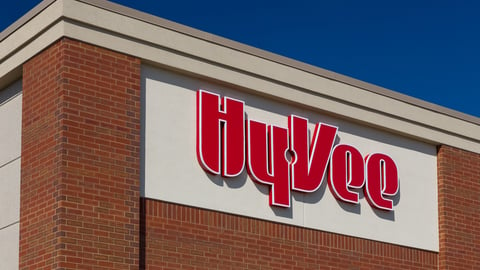
Hy-Vee Inc. is the latest grocer to provide an ultra-fast delivery/pickup option.
The regional Midwest grocery/convenience/drugstore chain is now offering a 30-minute delivery service called “Get it faster” for a fee of $14.95, or $4.95 for members of the Perks+ loyalty program. Get it faster 30-minute pickup of online orders costs $9.95, or free for Perks+ members.
To place an order for 30-minute delivery or pickup, shoppers can select “Get it faster” at online checkout. Hy-Vee standard delivery costs $9.95, with delivery in as little as two hours. Orders must meet a $29.99 minimum, or a $4.95 service fee will be added. Standard two-hour pickup is free.
Hy-Vee has been expanding its ability to offer digital pickup and delivery services in the past two years, including partnerships with Instacart and DoorDash and the integration of food tech SaaS company Deliverect into each of the Grille Express stations in its Fast and Fresh Market convenience banner.
Ultra-fast delivery comes of age
Notably, Walmart and Amazon have both been expanding the availability of their 30-minute delivery offerings for grocery, CPG and other products across the U.S. But they are not pioneers in the ultra-fast delivery space.
[READ MORE: How to keep up with Amazon and Walmart ultra-fast delivery]
Albertsons has offered 30-minute delivery in partnership with DoorDash since 2021 and began providing its own 30-minute delivery service called “Flash” in 2023. In addition, Stop & Shop, Giant Company and Kroger all launched 30-minute delivery partnerships with Instacart in 2021.
Headquartered in West Des Moines, Iowa, Hy-Vee Inc. is an employee-owned corporation operating more than 560 retail stores across eight Midwestern states - Iowa, Illinois, Missouri, Kansas, Nebraska, South Dakota, Minnesota and Wisconsin - with sales of more than $14 billion annually.
- 7/21/2026
Amazon Business reaches $60 billion edit




 Show More