How to keep up with Amazon and Walmart ultra-fast delivery

Ultra-fast delivery is back in a big way, and retailers need to adapt.
Ultra-fast delivery services focused on getting customers in densely populated urban areas their online orders in as little as 15 minutes or less began popping up in the U.S. a few years ago, but most failed to gain traction.
Companies such as Jokr and Buyk shuttered operations in the U.S. in 2022, with Philadelphia-based Gopuff a rare success story in the space. However, more recently, both Amazon and Walmart have launched efforts to get goods to consumers as quickly as possible.
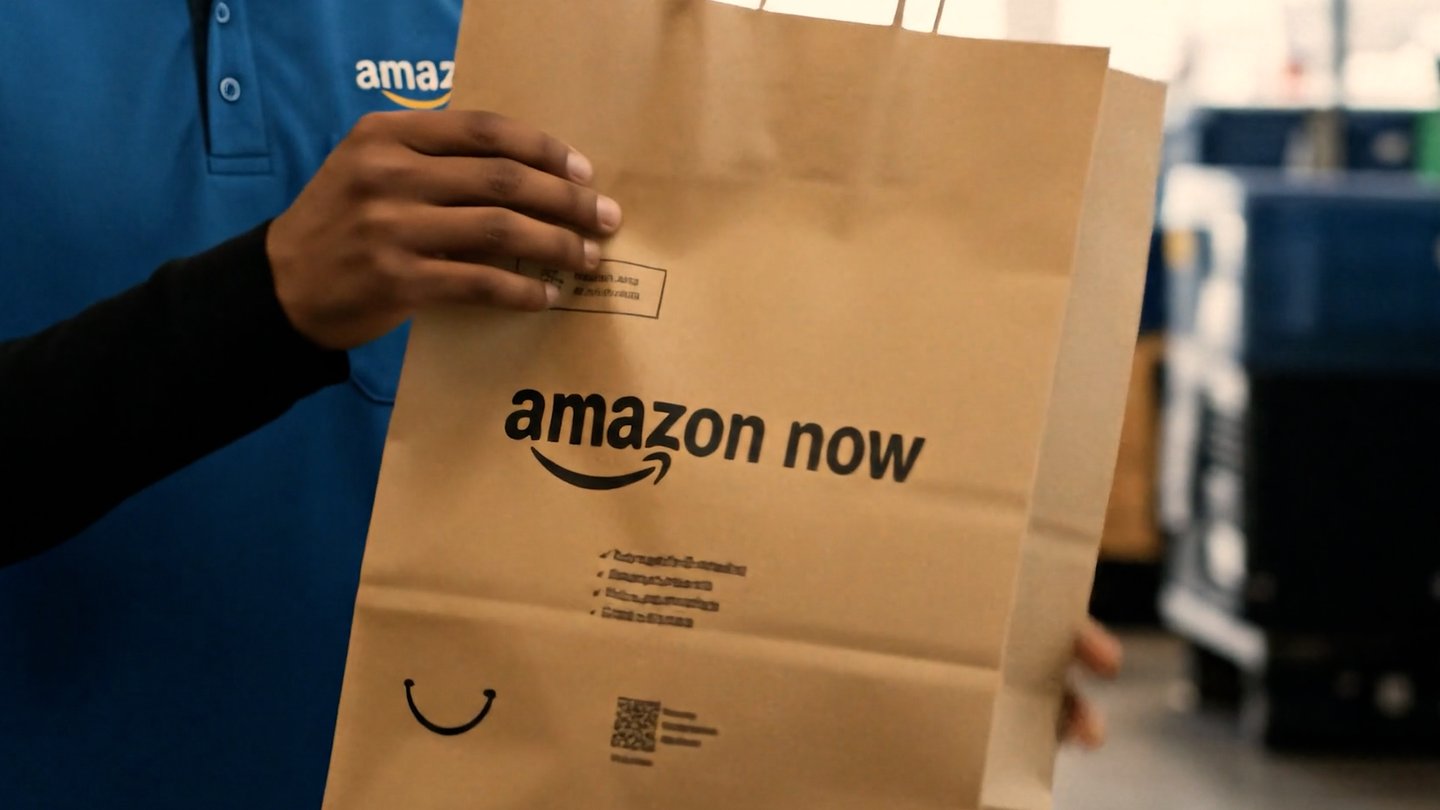
Amazon Now, which delivers thousands of items including household essentials, personal consumer electronics and groceries to customers’ doorsteps in about 30 minutes or less, is available in dozens of U.S. cities and will be rolled out to millions of customers across the country by year’s end.
Meanwhile, Walmart is supporting delivery in 30 minutes or less with a rapidly expanding drone delivery program (of course, Amazon is an early drone delivery pioneer). The discounter expects to have a network of more than 270 drone delivery locations operational by 2027. The network will stretch from Los Angeles to Miami and service about 40 million U.S. consumers.
This gives the two biggest U.S. retailers yet another competitive edge. In my first column of 2026, I said ultra-fast delivery would be major retail trend this year, with retailers providing delivery falling into the categories of the “quick and the dead.”
[READ MORE: Three retail tech trends to watch in 2026]
As we approach mid-year, I will double down on that classification. While not every retailer can offer ultra-fast delivery, all retailers need to offer delivery in as compressed a time period as possible.
Here are a few suggestions for speeding up delivery that do not require the implementation of substantial new technology infrastructure, such as micro-fulfillment centers which use robotic technology to automate tasks such as picking and packing or distribution center automation.
Third-party delivery partnerships
The easiest way to enhance the speed of your deliveries is to partner with a third-party platform, such as Instacart, DoorDash or Uber Eats. Onboarding generally takes a week or less, and the delivery process can be totally or partially outsourced depending on how you want to structure the partnership.
The major on-demand delivery platforms can all offer delivery in at least some markets in 30 or even 15 minutes or less, and DoorDash and Uber Eats also offer some drone delivery options which can potentially cut delivery time even more.
In addition, Walmart and Amazon both provide their own hosted third-party delivery services which can fulfill customer orders in 30 minutes or less, and drone companies such as Wing, Flytrex and Zipline will partner directly with retailers.
The biggest potential drawback of any of these options is that retailers must pay commissions on orders filled by third-party partners which can run as high as 30% of the order subtotal. But third-party delivery partnerships are only growing in popularity and offer the most direct solution to delivery speed issues.
Deliver from store
Retailers with a brick-and-mortar store fleet have a built-in local distribution network waiting to be put into operation. Walmart and Target both have robust store-based delivery programs, and it is a rare chance to gain an advantage on Amazon (except for grocery deliveries fulfilled from Whole Foods stores).
While delivering from existing brick-and-mortar stores eliminates the need to invest in any new physical infrastructure, starting up isn’t as simple as loading trucks from a store’s back room.
Retailers will need to reconfigure their store layout to accommodate the space needed for picking and packing online orders, train associates in how to receive, pick and pack online orders (which may necessitate equipping them with mobile scanning devices), and also reprogram order and inventory management systems to manage this new method of filling digital purchases.
Dark stores
Dark stores are brick-and-mortar locations stocked similarly to regular stores that serve as mini-distribution centers for pickers to immediately fulfill online orders. They are closed to the public and only serve pickers and drivers (who may work for the retailer or a third-party partner) who are tasked with getting digital purchases to customers.
Although media reports indicated Walmart was piloting a dark store in the Dallas area in 2025 and planned to open a second in its headquarters city of Bentonville, Ark., dark stores have waned in popularity since the closure of many stores made them a popular option during the COVID-19 pandemic.
The biggest disadvantage, of course, is that retailers must shutter a store, either losing sales from a successful store or missing the chance to sell off or exit the lease of an unsuccessful one. But every individual situation is different, and in some cases converting a traditional store to a dark store might deliver profitable results.