Consumer Analytics

  • How brands can win with mobile

    The ability to point or wave a mobile device in the proximity of a product and access the collective knowledge of the universe is becoming the norm for consumers. Faced with satisfying such mind-bending expectations, brands and retailers are scrambling for solutions.

  • Survey: Distribution centers pick up the pace

    Retailers are keeping up with omnichannel consumer demand behind the scenes.

    According to a new survey of distribution center operators from Honeywell and YouGov, nearly nine in 10 distribution center operators expect to adopt new mobile devices and voice-direction technology in the next five years to meet omnichannel consumer expectations of faster, more accurate delivery.

  • Survey: Customers go beyond packaging

    Simple physical packaging doesn’t cut it for today’s omnichannel consumer.

    Although 85% of U.S. adult shoppers say reading a product package helps them make in-store purchase decisions, 78% have wanted additional information about a product after reading a product's package, according to a new Harris Poll commissioned by Digimarc Corp.

  • This return is on PayPal

    PayPal is helping U.S. customers and retailers with a new shipping perk.

    The payment services platform is expanding Return Shipping on Us, a service that refunds return shipping costs to consumers on eligible online purchases, to the U.S.

  • Why CEOs are Increasingly Taking Ownership of the Consumer Experience

    In a relatively short space of time, the retail industry has been turned on its head. Not that long ago, retailers would decide which goods they would stock, how much they would price each item, and which locations would sell which goods. Today, consumers are calling the shots. The smartphone has become like a store in a pocket and consumers use them to quickly find the exact item they want and compare prices to get the best deal. Depending on what is more convenient for them, they can arrange for home delivery or click-and-collect.

  • Tech Bytes: Three Reasons Social Commerce is Arriving

    Social commerce is finally here.

    Various retailers and social media platforms have been experimenting with letting consumers make purchases directly from social networks for some time. But in the past few weeks a flurry of new and expanded social commerce options have been introduced.

  • Another way to win with Amazon.com

    Amazon.com now allows sellers to promote products with keyword targeted ads and cloud-based e-commerce solutions provider ChannelAdvisor is ready to help sellers take advantage of the sponsored products feature.

    ChannelAdvisor Corp. announced its support Monday for Amazon’s Advertising API (application programming interface), becoming the first e-commerce solution provider to offer this support.

  • EMV not a panacea for online fraud

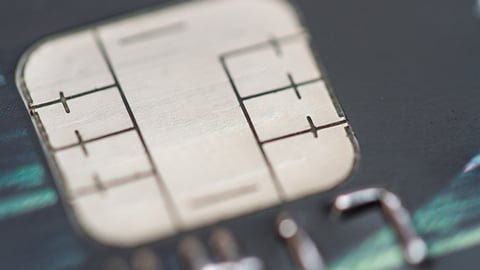
    Here is the bottom line: EMV compliance protects against certain types of fraud but not all types.

    Yes, EMV adoption will drive significant growth in online fraud. But in something that has received far less attention is the fact EMV-compliant technology can also actually help protect retailers against fraudulent e-commerce transactions.

  • Bluemercury’s search for exceptionalism

    Sephora and Ulta are successful retailers in their own right, but Bluemercury founder Barry Beck wants to chart a different growth path for the company Macy’s acquired earlier this year.

    When Macy’s announced in February it was buying beauty retailer Bluemercury, a lot of watchers wondered what the little-known niche retailer could offer the nation’s second largest department store chain. The answer to that question lies in something the founder of Bluemercury calls “exceptionalism.”

  • Chip and PIN gains influential supporter

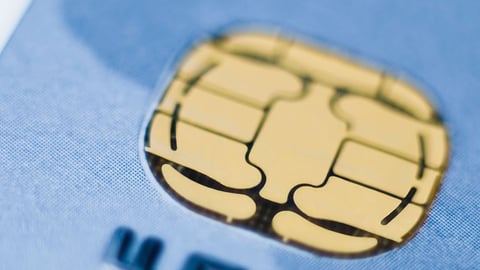
    The National Retail Federation and the Retail Industry Leaders Association are aligned with the nation’s top law enforcement agency in an effort to ensure consumers have access to the most secure payment methods.

    The FBI has released an official advisory warning consumers that EMV-compliant cards are still vulnerable to fraud and PIN authentication is the best means to prevent personal data theft. According to the FBI. EMV cards can still be counterfeited with stolen card data obtained on the black market.

X
This ad will auto-close in 10 seconds