Consumer Analytics

  • Rawlings has better customer experience in store

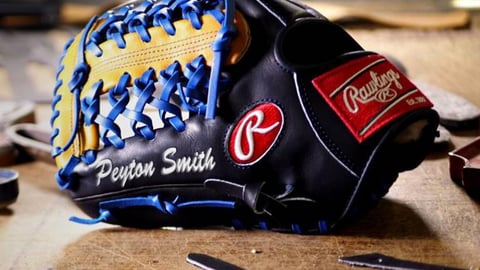
    Rawlings Sporting Goods Company Inc. is taking its store operations game up a notch. The St. Louis-based vertical sporting goods retailer will use the RetailNext store analytics platform to optimize its brick-and-mortar shopping experience at all five company-owned factory outlet stores.

    The comprehensive RetailNext platform will be deployed at all Rawlings-owned factory outlets in an attempt to uncover deep customer behavioral insights that can be used to create a better in-store experience.

  • Lumber Liquidators building customer engagement

    Troubled retailer Lumber Liquidators is reaching out to customers in a new and unusual way.

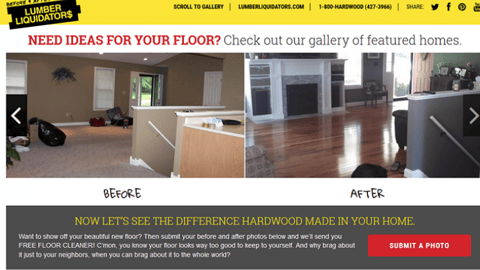
    The company, which has experienced significant financial difficulty since 60 Minutes ran a report in March alleging dangerously high levels of formaldehyde in Chinese hardwood products it sells, is launching an online “Before and After” gallery.

  • Urban Outfitters makes the world its showroom

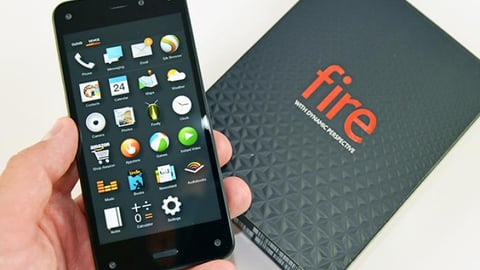
    Although the Amazon Fire smartphone fizzled, its legacy lives on.

  • Amazon commands nearly half of consumers' first product searches

    Amazon’s dominance in the $300 billion American e-commerce market is stronger than ever, according to a new survey.

    A Survata study commissioned by BloomReach reports that in a survey of 2,000 U.S. consumers, 44% bypass the entire Web and go directly to Amazon first to search for products, compared to 34% who use top search engines like Google, Bing and Yahoo!.

    As recently as 2012, Forrester found that only 30% of consumers research products on Amazon first.

  • Tech Bytes: Pros and Cons of Facebook ‘Dislike’ Button

    By now, you’ve probably heard that Facebook will be testing a “dislike” button. Unconfirmed reports say the button will be designed to let users express empathy for posts about negative events, such as the death of a loved one.

    Assuming Facebook does introduce a dislike button, retailers will need to decide whether to enable it on their Facebook pages. Here are two pros and one con a dislike button would pose to retailers.

    Pro #1: Instant Sentiment

  • Amazon.com extends its lead in e-commerce wars

    Amazon.com is the No. 1 website for online shoppers in the United States, according to a new survey.

    A Survata study commissioned by BloomReach reports that in a survey of 2,000 U.S. consumers, 44% bypass the entire Internet and go directly to Amazon.com first to search for products, compared to 34% who use top search engines like Google, Bing and Yahoo!.

  • U.S. retailers losing $60 billion a year to fraud

    A new survey has revealed some more glum news about shrink in the U.S. retail industry.

    The 2015 U.S. Retail Fraud Survey by Retail Knowledge and Volumatic has estimated that U.S. retailers are losing $60 billion a year to shrink -- up from $57 billion last year. And employee theft is the single biggest cause of loss to retailers.

  • Krebs: Fraudsters show plenty of innovation

    Whatever your opinion of fraudsters who steal and resell consumer credit card data, you can’t deny they are highly innovative.

    This was the key message of a presentation security blogger Brian Krebs gave at the Gartner Symposium ITxpo 2015 in Orlando, Florida, on Oct. 4.

  • Pizza retailers bring loyalty to customers

    October is National Pizza Month, and two pizza chains are using mobile and social technology to heat up their loyalty programs as the weather cools.

    The Los Angeles-based, 200-plus-unit California Pizza Kitchen will leverage a Paytronix-powered mobile rewards program.

    Leveraging geofencing to identify members of its Pizza Dough loyalty program when they are near stores, California Pizza Kitchen will send push/pull mobile messages with a special October promotion offering 25% savings.

  • How to Cater to Gen Z this Holiday Season

    Although they are young, Generation Z has considerable buying power and influence. Gen Z will account for 40% of all consumers by the year 2020. Tweens today wield $43 billion in annual spending and influence another $150 billion.

X
This ad will auto-close in 10 seconds