EXCLUSIVE: How much are GLP-1 users cutting food and liquor spending?

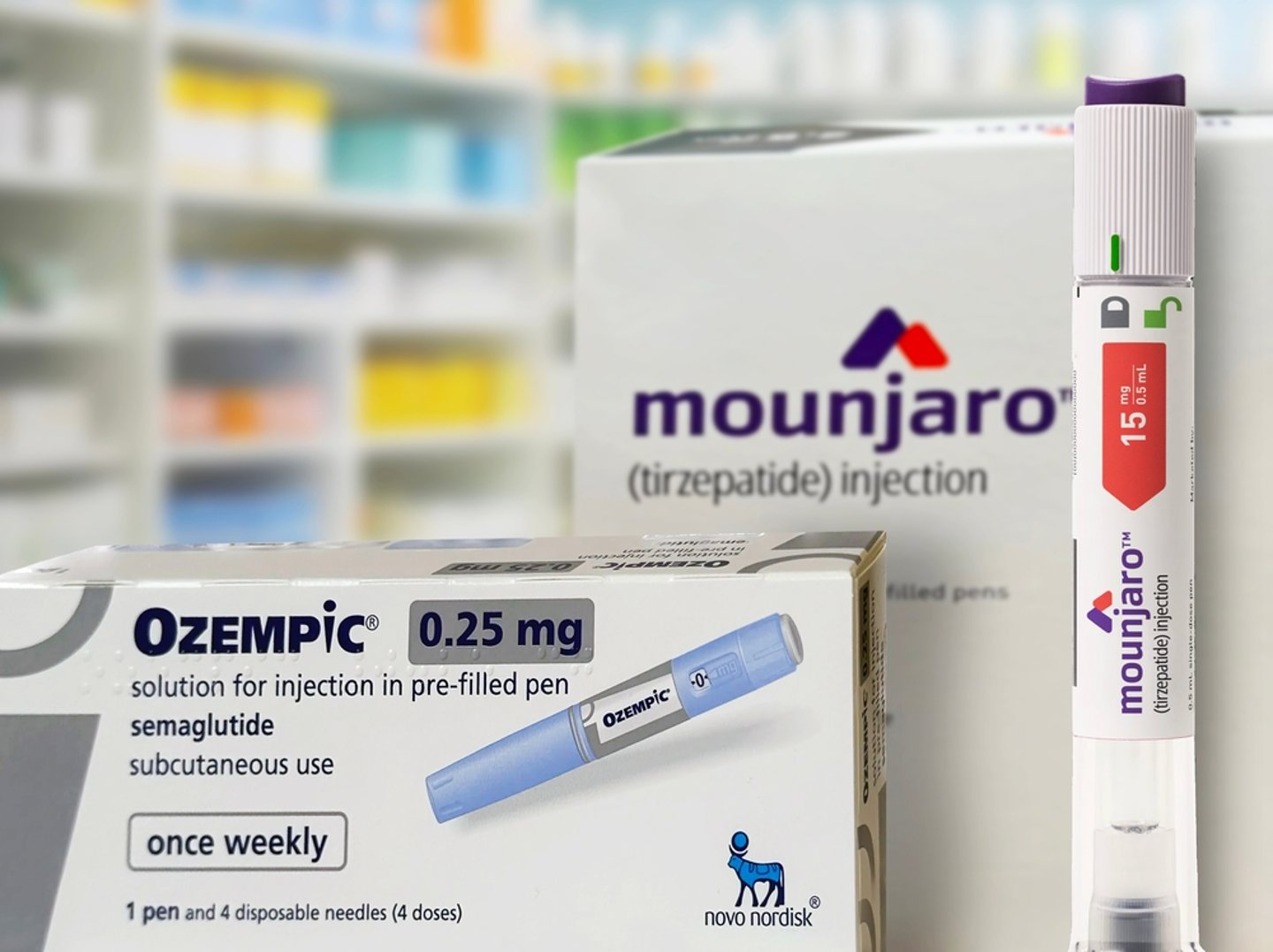
The rising use of GLP-1 weight-loss medications such as Ozempic and Wegovy is having an impact on consumer dining and drinking habits.
GLP-1 users in the U.S. have cut their weekly food and alcohol spending by an average of 35%, saving an average of $130 per week, totaling about $564 a month or $6,754 a year. Results of a survey of consumers who use GLP-1 medications (which are now available in pill form as well as by injectable shots) conducted by online pharmacy ZipHealth and exclusively released to Chain Store Age also reveal average weekly savings in key food and beverage categories:
- Alcohol: Down 40% to $19 from $31.
- Groceries: Down 22% to $137 from $175.
- Restaurant: Down 53% to $43 from $91.
- Takeout/delivery down 22% to $43 from $74.
Other interesting findings include:
- More than six-in-10 (63%) respondents said they feel more intentional about their grocery store purchases, meaning less impulse buying and more planning.
- One-in-four (24%) said they feel more in control of their spending since starting GLP-1 medications.
- When it comes to social changes, 37% of respondents said they feel more empowered and in control.
- Close to one-third (32%) of respondents said they drink less alcohol since starting GLP-1 medications.
- Thirty-two percent of respondents also said they eat out with friends less often since starting GLP-1 medications.
- One-in-five respondents said they have discovered new social activities don’t revolve around eating or drinking since starting GLP-1 medications.
- More than one-in-10 (12%) respondents said they are avoiding social events that involve eating or drinking since starting GLP-1 medications.
GLP-1 medications affect sales
Other recent surveys reveal that GLP-1 medications are also impacting how consumers are spending and shopping in categories beyond food and beverage. For example, a survey from weight loss program provider Levity revealed 20% of U.S. consumers who have lost weight using GLP-1 weight-loss medications say they now shop less at Target.
These consumers are also shopping less frequently since achieving weight loss include Amazon (18%), Old Navy (17%), thrift/resale stores (15%) and American Eagle (9%).
In addition, demand for larger sizes (L, XL, XXL) has fallen while sales of smaller sizes are rising, which could leave 400 million apparel units misaligned with customer demand by 2027 if the trend accelerates, according to a study by Impact Analysis of national sales and returns data from leading apparel retailers between 2022-2024.
[READ MORE: Study: Weight-loss drug boom putting $5B apparel retail inventory at risk]
And quarterly data from the Numerator GLP-1 Trends Hub showed that from July 2024 through July 2025, more than half (52%) of GLP-1 users reported a goal of losing at least 15 pounds, and these households reduced spending by 10% across more than 100 categories in grocery, quick-serve, and tobacco sectors within six months of adoption.
ZipHealth surveyed 474 U.S. individuals currently using GLP-1 medications. The majority of respondents (75%) identified as women, followed by men (24%) and non-binary individuals (1%).