
EXCLUSIVE: Weight-loss drug users are shopping less at these retailers

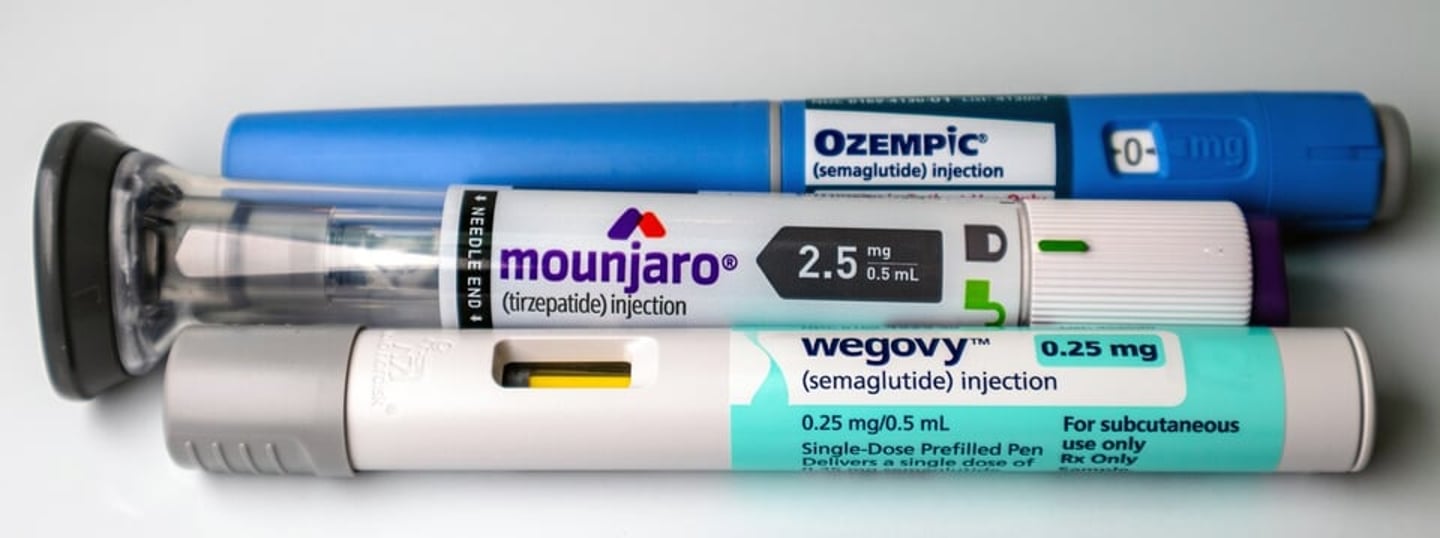
The rising use of GLP-1 weight-loss medications such as Ozempic may have a negative impact on sales at some top retailers.
A leading 20% of U.S. consumers who have lost weight using GLP-1 weight-loss medications say they now shop less at Target. Other retailers where these consumers are shopping less frequently since achieving weight loss include Amazon (18%), Old Navy (17%), thrift/resale stores (15%) and American Eagle (9%).
[READ MORE: Study: Weight-loss drug boom putting $5B apparel retail inventory at risk]
A study of nearly 1,000 U.S. consumers who have lost weight with GLP-1s exclusively released to Chain Store Age by weight loss program provider Levity also reveals that 69% of respondents still purchase their old clothing size because they're unsure smaller sizes will fit, while 37% still purchase their old clothing size because they're unsure smaller sizes will fit.
Despite this trend toward continuing to purchase larger clothing sizes, a leading 32% of respondents have spent $100 to $249 on replacing clothing items in their wardrobe since starting GLP-1s, while 24% have $250 to $499 and one-in-five (19%) have spent $500 or more. Only 9% have not spent any money on wardrobe replacements.
Close to four-in-10 (37%) respondents have changed two clothing sizes since starting on GLP-1 medication, while 30% have changed one size and 25% have changed three sizes. Close to one-in-10 (8%) have changed four sizes or more.
Other findings
- 66% of respondents who lost weight on GLP-1s donated their old clothes.
- Activewear (57%) and jeans (55%) are the clothing categories respondents are most likely to have purchased since losing weight.
- More than half (52%) believe most retailers do not offer enough inclusive sizing for bodies in transition.
- Nearly one-in-four (23%) started following influencers closer to their new size for style and fashion tips.
- Nearly one-in-four say they would consider a clothing rental subscription design for people in active weight change.
For this study, Levity surveyed 959 Americans who have lost weight on GLP-1s. Their ages ranged from 19–78. Among them, 28% were men, 70% were women, and 2% identified as non-binary. Before starting GLP-1s, respondents reported an average weight of 241 lbs. After GLP-1 use, respondents reported a weight of 199 lbs. See more Levity findings.
Numerator: GLP-1 drugs affect spending
New quarterly data from the Numerator GLP-1 Trends Hub shows that from July 2024 through July 2025, more than half (52%) of GLP-1 users reported a goal of losing at least 15 pounds, and these households reduced spending by 10% across more than 100 categories in grocery, quick-serve, and tobacco sectors within six months of adoption.
These respondents increased their spending in health-related categories such as protein shakes (38%), bone health (23%), superfoods (58%), and digestive health (6%) relative to comparable non-user households.
Behavior shifts persist even when GLP-1 usage lapses, according to Numerator. However, Numerator analysis indicates continued prioritization of fresh produce and meats suggests a longer-term impact on health-driven consumption habits.
"The GLP-1 environment is continually evolving, with changes to policies, insurance coverage, and delivery mechanisms that expand access and reduce costs to consumers," said Steve Kramer, VP of product innovation, Numerator. "It will be critical for brands, retailers, and foodservice providers to keep a consistent pulse on the shifting purchasing dynamics and health-driven trade-offs, as consumers adopt, lapse, and return to these medications."