Study: Weight-loss drug boom putting $5B apparel retail inventory at risk

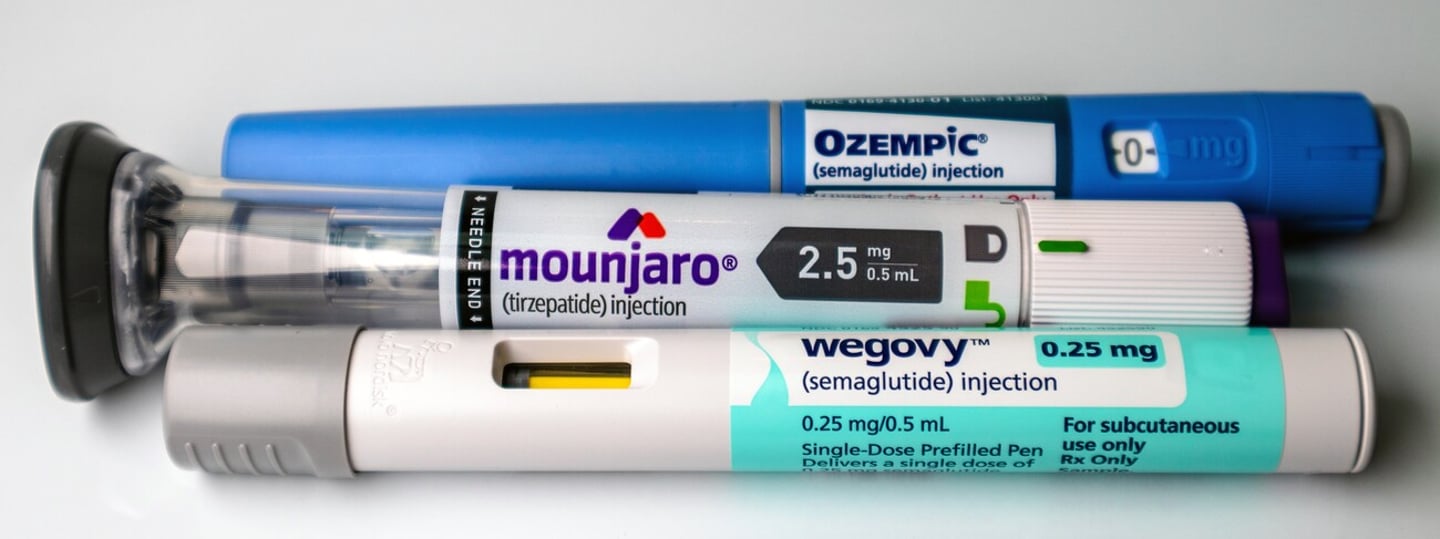
The rising use of GLP-1 weight-loss medications such as Ozempic is reshaping the U.S. apparel market as retailers experience a shift in size demand and increasing returns.
Demand for larger sizes (L, XL, XXL) has fallen while sales of smaller sizes are rising, which could leave 400 million apparel units misaligned with customer demand by 2027 if the trend accelerates, according to a study by Impact Analysis of national sales and returns data from leading apparel retailers between 2022-2024.
Impact Analytics said it first spotted the warning signs in 2024, when New York City — the nation’s largest market for non-diabetic GLP-1 prescriptions — saw traditional apparel size curves begin to collapse. The same trend is now emerging nationwide. Today, more than 12% of U.S. adults have tried GLP-1 medications and 6% are actively using them. And with GLP-1 use is projected to reach 8% of adults by 2027, the shift in shopping patterns is expected to accelerate.
The report, “Retail’s $5B Blind Spot: How GLP-1s Are Breaking Size Curves,” warns that the shift in size “curves” is creating the potential for up to $5 billion in margin risk. The report noted that returns are up across the board as shoppers navigate changing shapes and sizes.
“GLP-1 drugs are upending America’s size curve in real time—and traditional retail industry planning processes are not ready,” said Prashant Agrawal, founder and CEO of Impact Analytics, provider of AI-native planning, pricing and forecasting software. “The rise of GLP-1s is collapsing traditional demand patterns at a speed retailers have never experienced before. Our data shows billions of dollars in retail margins for inventory are at risk unless brands start planning for the shopper of 2027, instead of the shopper of 2022.”
Retailers must act now to recalibrate size curves, Agrawal added, or be stuck discounting unsold stock “while missing the opportunity to serve tomorrow’s consumer with full margin integrity.”
Methodology
The analysis combines aggregated point-of-sale and returns data from major U.S. brick-and-mortar and online apparel retailers, using machine-learning models to map changes in size demand and simulate inventory exposure through 2027.