
A closer look at Amazon Prime Big Deal Days – what consumers revealed

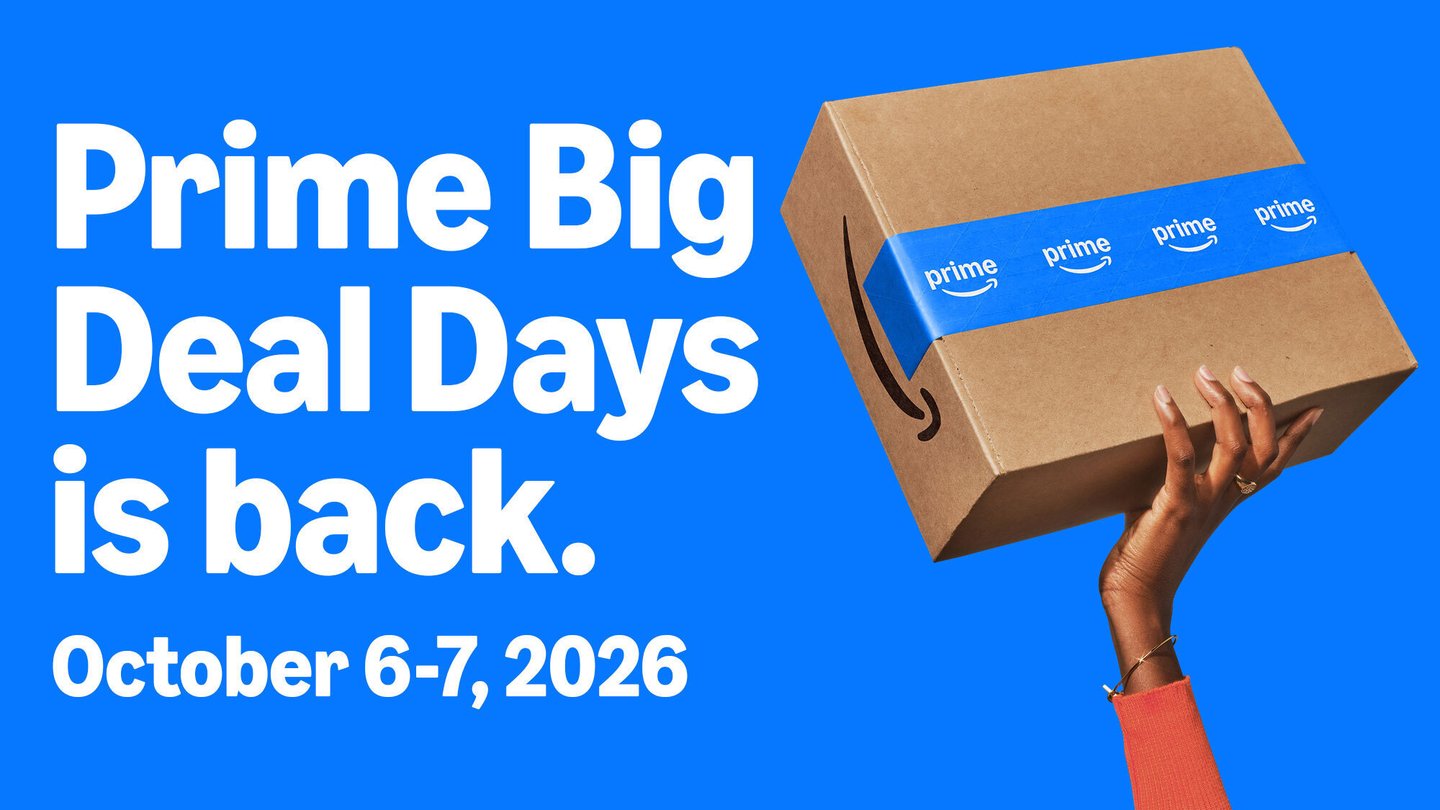
Amazon Prime Big Deal Days has concluded, but shopping behaviors exhibited during the sales extravaganza will influence retail for the holidays and beyond.
The fifth edition of the Amazon Prime Big Deal Days fall promotion for members of its Prime paid membership service appears to have been a success, with rising sales, average household spend and order value. But by digging deeper, retailers can uncover some important consumer signals.
[READ MORE: Amazon Prime Big Deal Days produces 9% spending growth]
Here are three of the most interesting shopper behaviors from Amazon Prime Big Deal Days:
An early (and late) start to holiday shopping
Amazon promotes its annual fall sales spectacular as the kickoff to the holiday shopping season and 20% of Prime Big Deal Days shoppers surveyed by Numerator said they used the sale to purchase winter holiday gifts. In its analysis of the event, Adobe advised early holiday spending has changed the holiday shopping season, pushing U.S. retailers to manage promotions and inventory effectively to capture an additional pre-season spike.
However, retailers should pay attention to the fact that 7% of Numerator respondents said they purchased gifts for Halloween, and Adobe observed sales of Halloween costumes up 610% and candy up 180% from average daily sales in September.
Considering that in recent years Halloween promotions have been kicking off in the spring, with widespread summer sales efforts, this behavior suggests that retailers should continue focusing marketing efforts for Halloween well into October.
It also indicates retailers should consider hosting late holiday promotions in mid-December as consumers scramble to check off all the items on their gift lists.
Let’s make a deal
Obviously, Prime Big Deal Days shoppers are on the lookout for well, big deals. Deal satisfaction was high, with 55% of shoppers surveyed by Numerator stating they were “very or extremely” satisfied with the deals offered by Amazon.
However, consumers weren’t limiting their search for low prices to Amazon. Numerator found that a majority of respondents (56%) compared prices and products at other retailers before making their Amazon purchase, and 33% said they planned to or already had participated in the competing Walmart Fall Deals event and 24% said they planned to or already had participated in Target Circle Deal Days (Oct. 5-11).
Intention to shop competing events appears to have outstripped actual purchase behavior, which is good news for Amazon. But in good news for everyone else, there is obviously widespread general consumer interest in deals, leaving lots of room to directly compete or to create other promotions with different timing.
Under the influence
Finally, Adobe analysis reveals that affiliates and partners—which includes social media influencers—saw strong growth as drivers of Prime Big Deal Days revenue (21.9% share, up 11% year over year). Notably, Adobe says influencers converted shoppers (individuals making a purchase after seeing influencer content) 11 times more than social networks overall.
Influencers, content creators and celebrities all represent a significant opportunity for retailers to obtain credibility, gain access to built-in fan bases, and potentially extend their commercial reach via affiliate marketing and sales.
Consumers, especially younger Gen Z and millennial shoppers, now often look to influencers as their primary source of product discovery and purchase inspiration, and retailers should examine how influencers could play a role in their own promotional strategies, for the holidays or otherwise.