Corporate Responsibility

  • Mixed-use project breaks ground at Pittsburgh historic site

    Arsenal Park, an often overlooked historical site in Pittsburgh, is now destined to re-emerge as Arsenal 201, a residential and retail project.   Milhous Development broke ground last week on the $100 million first phase of the project, which encompasses and entire block between 39th and 49th Streets in the city’s Lawrenceville section. That was the site of the Allegheny Arsenal, a key manufacturing and supply facility for the Union Army where an 1862 explosion took the lives of 78 workers -- the largest civilian disaster of the war.
  • Whole Foods Market honored for eco-friendly refrigeration

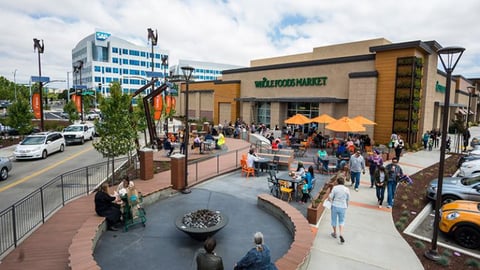
    Whole Foods Market has received an award for deploying cutting-edge, advanced refrigeration technology.   The grocer received the 2015-2016 “Best of the Best” award from the EPA’s GreenChill Partnership for using an advanced, more environmentally sustainable refrigeration system at its store in Dublin, California.  
  • Inland exec receives Distinguished Service Award

    Inland Private Capital Corp.’s Keith Lampi received the Distinguished Service Award from the Alternative and Direct Investment Securities Association during its recent annual conference in Las Vegas.   "Keith has exhibited an honorable commitment to excellence and service to the industry while adhering to the highest ethical standards and quality performance," said ADISA executive director and CEO John Harrison in presenting the award.   
  • Wendy’s cuts energy use

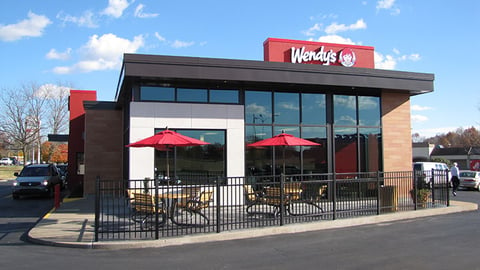
    The Wendy’s Company is in the spotlight for dramatically reducing energy usage.    The company received two environmental awards from the 2016 Lighting Energy Efficiency in Parking (LEEP) campaign. Wendy’s was recognized for the largest absolute number of facility upgrades and highest percentage energy savings in a retrofit of a parking lot.   
  • Coffee giant in environmental milestone

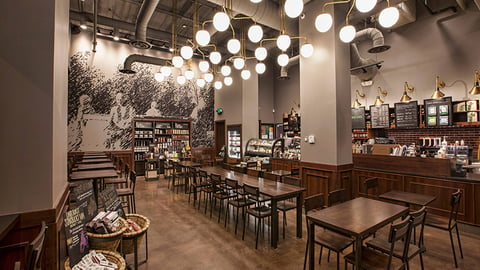
    Starbucks Corp. has opened its 1,000th LEED (Leadership in Energy & Environmental Design) location.    The store, in Ames, Iowa, uses LED lighting to decrease energy use by 30%. Water use was reduced by more than 50% due to low flow sinks and other equipment.    
  • On the Level: A real estate column

    Do we come to bury Jeff Bezos, or to praise him?

    When I was a boy, my Cioci Mary (cioci is Polish for aunt) would occasionally treat me to a trip downtown in the small city where I grew up. We’d get a burger at Pappas’ diner and then head to W.T. Grant’s and she’d buy me candy, a comic book and a small toy. I mist up a little just thinking about it now, more than 50 years later.

    You think a child of today, decades hence, will recall his aunt buying him a pair of sneakers on her laptop as fondly?

  • Whole Foods’ rapid solar rollout

    Whole Foods Market is saving money and time — and benefiting the environment—by taking an innovative approach to going solar.

    That’s according to an analysis by the Retail Industry Leaders Association and The Solar Foundation that found Whole Foods’ strategy of taking a standardized approach to rapid rollout of solar rooftop installations across multiple locations could be a valuable model for other retailers to consider.

  • RILA in conference partnership with Sustainable Brands

    The Retail Industry Leaders Association (RILA) is merging its sustainability-focused conference with Sustainable Brands.     Beginning in 2017, the two will produce a single conference together than includes a retail-specific program track, in addition to Sustainable Brands’ usual program, which covers sustainability-led brand innovation across multiple consumer-facing industries.  
  • 11 Trends Expected to Drive Holiday Shopping

    From increased budgets to a desire for free shipping to gifts for pets, PwC’s “2016 Holiday Outlook” report predicts the following trends will drive the upcoming holiday season:    1. Bigger holiday budgets: Shoppers will likely spend 10% more this holiday season; an average of $1,121 each. And consumers with annual household incomes less than $50,000 will likely increase their percentage spending levels even more than consumers overall.  
X
This ad will auto-close in 10 seconds