Amazon to invest $11.6B, add 25K jobs in European fulfillment

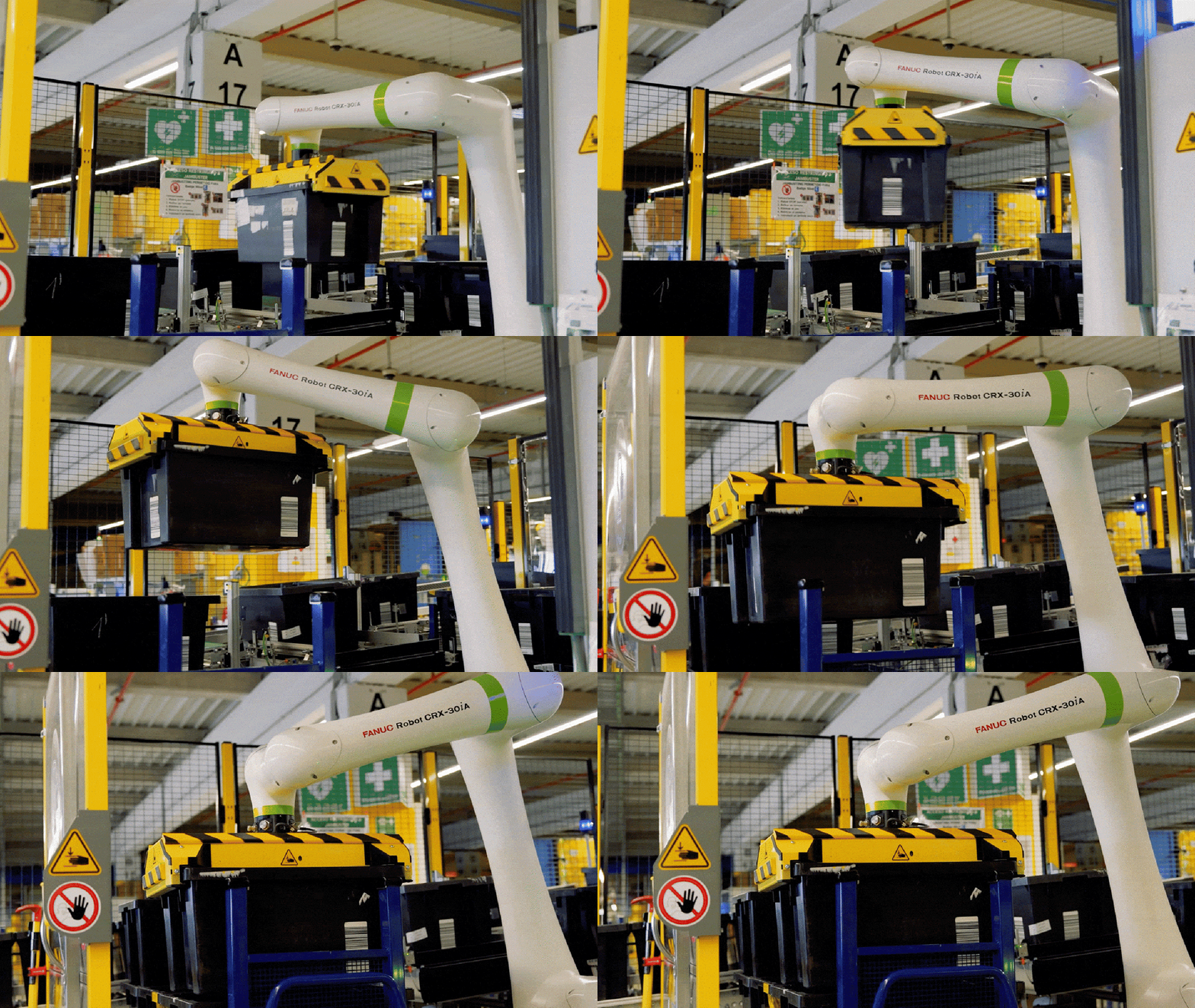
Amazon is making a major financial commitment to expand and modernize fulfillment operations, including robotic automation, in Europe.
At its recent “Delivering the Future” event in London, Amazon announced it will invest more than $11.6 billion in its European fulfillment centers. This investment will support the company’s plan to grow its European fulfillment center workforce by 25,000 employees in the coming years, including new categories of robotics jobs in roles such as reliability, maintenance and engineering.
[READ MORE: Amazon plans $17B-plus investment in France logistics centers, AI]
The multi-billion-dollar investment will also fund the introduction of a new fulfillment robot model and upgrading of several others. These include:
STARK
STARK is a new collaborative robotic tote-handling system that works alongside human employees, picking full totes from conveyors and placing them on carts to spare human associates repetitive heavy lifting. First piloted in Barcelona, Spain, Amazon plans to expand STARK to 15 sites across Europe by 2027.
Vulcan
Amazon's first robotic system with a sense of touch, Vulcan was originally developed for a facility in Spokane, Wash. and can see and feel objects simultaneously to navigate densely packed environments. Vulcan has expanded to handle more complex picking tasks at Amazon's Hamburg facility in Germany.
"This transformation is designed to deliver a step-change in how we support our employees and serve our customers," said Armin Cossmann, VP of operations for Europe. "Customer expectations aren't slowing down — and neither are we."
Proteus
In June 2022, Amazon announced Proteus, its first fully autonomous mobile robot. Proteus moves autonomously through Amazon’s fulfillment and sort facilities transporting carts that weigh close to 900 pounds using advanced safety, perception, and navigation technology developed by Amazon.
With the current iteration of Proteus currently deployed at 25 Amazon fulfillment centers in the U.S., the next generation model is designed to understand natural language. That means employees will be able to assign it tasks the way they communicate with a colleague. It is currently being piloted in Amazon's labs, with deployment in Europe planned for the first half of 2027.
"Europe is at the center of how we’re building our operations for the future," said Scott Dresser, VP of Amazon Robotics, in a corporate blog post. "The investment we're making here, the talent we're building with here, the technology we're deploying here — this is where the next chapter of operations innovation is being written."