
What retailers need to know ahead of back-to-school
The academic year has barely ended, but retailers are already studying up for next school year. And rightfully so.
As the second largest spending season of the year, back-to-school is make-or-break for retailers across regions and categories. With an estimated $85 billion on the table in the coming months, strategic and timely preparation will be key to maximizing the opportunity of the season.
Getting a share of spend is only one part of the equation. Retailer performance during the late summer months also plays a role in cementing market positioning and reaffirming customer relationships ahead of the holiday season. With critical revenue and customer satisfaction on the line, here’s what retailers need to know.
Setting the curriculum for success
As regions stagger school starts, peak shopping traffic patterns in the U.S. will happen in waves. Traditionally, each region sees traffic highs approximately two weeks before the start of the academic year. That’s likely to continue in 2026, even with Labor Day’s unusually late Sep. 7 appearance in the calendar.
Sensormatic Solutions predicts shoppers across regions will likely begin shopping for supplies earlier this year as they look for value and strong promotional offers. Even with this earlier activity, we expect peak traffic to begin in late July, with the busiest periods occurring in August across all regions. That said, 2026’s later-than-average Labor Day will likely not impact peak traffic volume timing within each region.
As is the case historically during back-to-school season (and year-round), Saturdays tend to see the largest single-day crowds during any high-traffic period. However, the "extra" week of summer students will enjoy this year may also flatten day-to-day variation in visits. Retailers may see their biggest crowds at the end of their busy periods, rather than toward the middle, as the perception of having additional time to shop could encourage more last-minute trips.
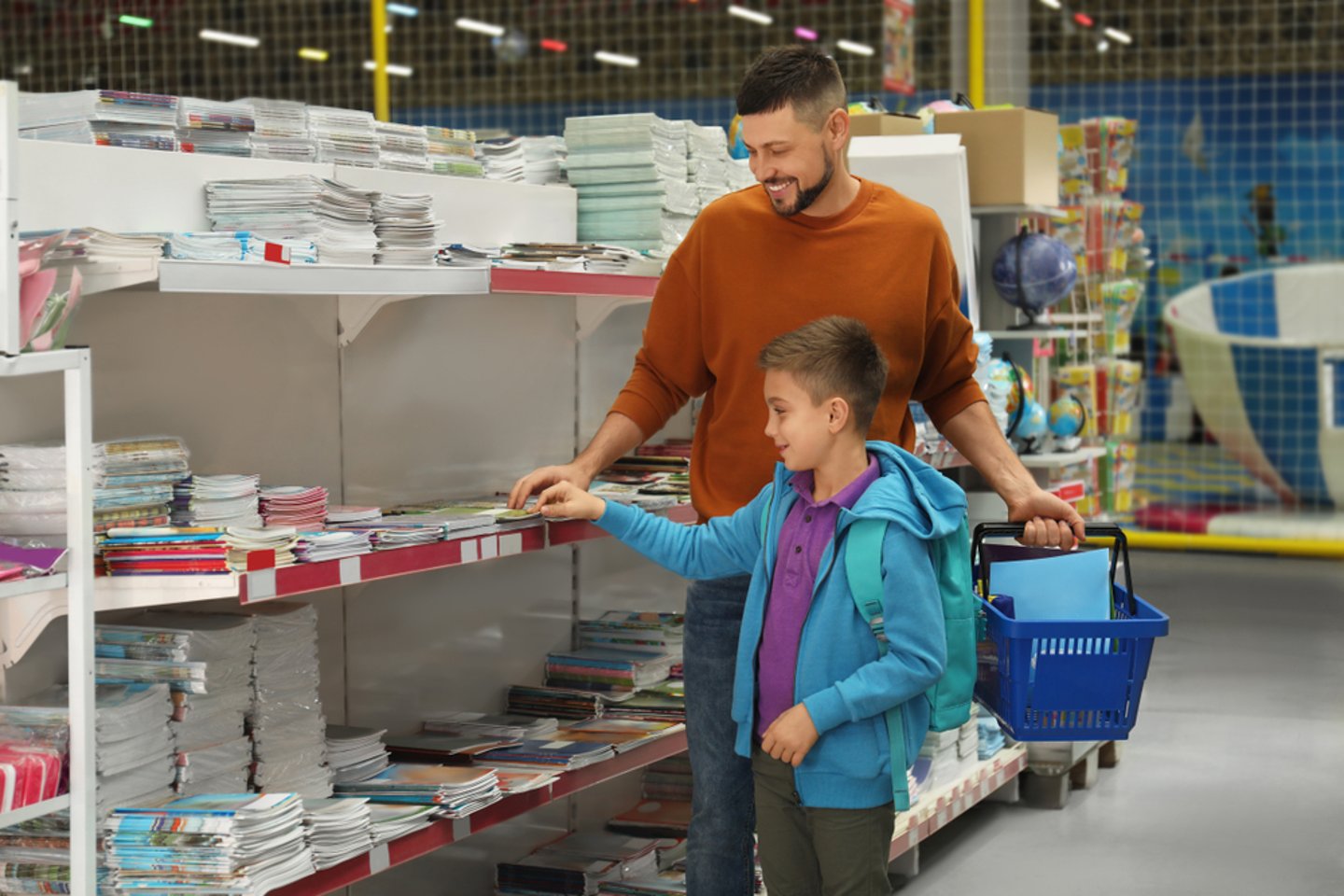
In terms of category performance, classic back-to-school staples—like apparel, shoes, and wireless & electronics—will top the list of in-demand items. Recent shopping patterns have shown that consumers are continuing to emphasize value and the essentials. The same is likely to hold true during back-to-school season as shoppers balance needs (must- buy items like notebooks, backpacks, pencils) and wants (clothing, shoes, dorm décor, etc.)
No homework, just groundwork
The above may not seem too far from the expected. Similar timing, similar products and similar pressure to perform as in any other year, but the nuances matter and small changes pay dividends in winning new customers and retaining loyalty.
Retailers looking to tailor their back-to-school plans for maximum impact should pay close attention to:
- Their unique national footprint. The regional stagger isn’t new, but the shift from July-August to August-September could exaggerate what are traditionally minor variations in behavior. What sells in Alabama in late summer could hint at demand in Northeast a few weeks later—but retailers hoping to translate traffic and sales data from one region into predictions for another will need to supplement their findings with robust historical data and new considerations too (i.e., earlier ecommerce deal days). This will help highlight where trends are likely to overlap and where they might see deviations.
- Their labor plans. With so much potential for variation in traffic’s ebbs and flows, retailers who build rigid labor plans around anticipated average traffic could quickly find themselves over- or understaffed. Retailers will need to build their labor plans with both precision and flexibility, so they can scale support as things change. Using store-level traffic data alongside labor and workforce insights can help guide tailored plans that reflect the most likely outcome at each store location.
- Their supply chain operations. Out-of-stocks, overstocks, shipping delays, misplaced inventory… all of it has the potential to drive shrink and subpar experiences. Getting it right on an average day is challenging enough, and swings in traffic patterns make it even harder. Add in the financial incentive and competitive promotions associated with the back-to-school season, and the stakes get even higher. By deploying item-level tracking tools throughout the supply chain, retailers can get ahead of inventory issues of all kinds to streamline customer visits and control missed sales.
Making the grade
Retail is a cyclical business, with each year bringing new challenges and opportunities to improve on what’s happened before. This back-to-school season will be a microcosm of that exercise, with learnings from one region providing a starting point—but not a map—for the next. Zooming even further out, back-to-school results can serve as a barometer for what’s to come during the quickly approaching holiday season.
This year's slight variations don’t change the objective, but they might transform the operational details that help get there. And while no one knows for sure what the final route will look like, retailers who build visibility into their operations can start surveying the land and charting their next steps with confidence, shifting back-to-school shopping from an annual errand to a satisfying experience for the whole family.