U.S. & China to cut tariffs on $60B of goods, establish board of trade

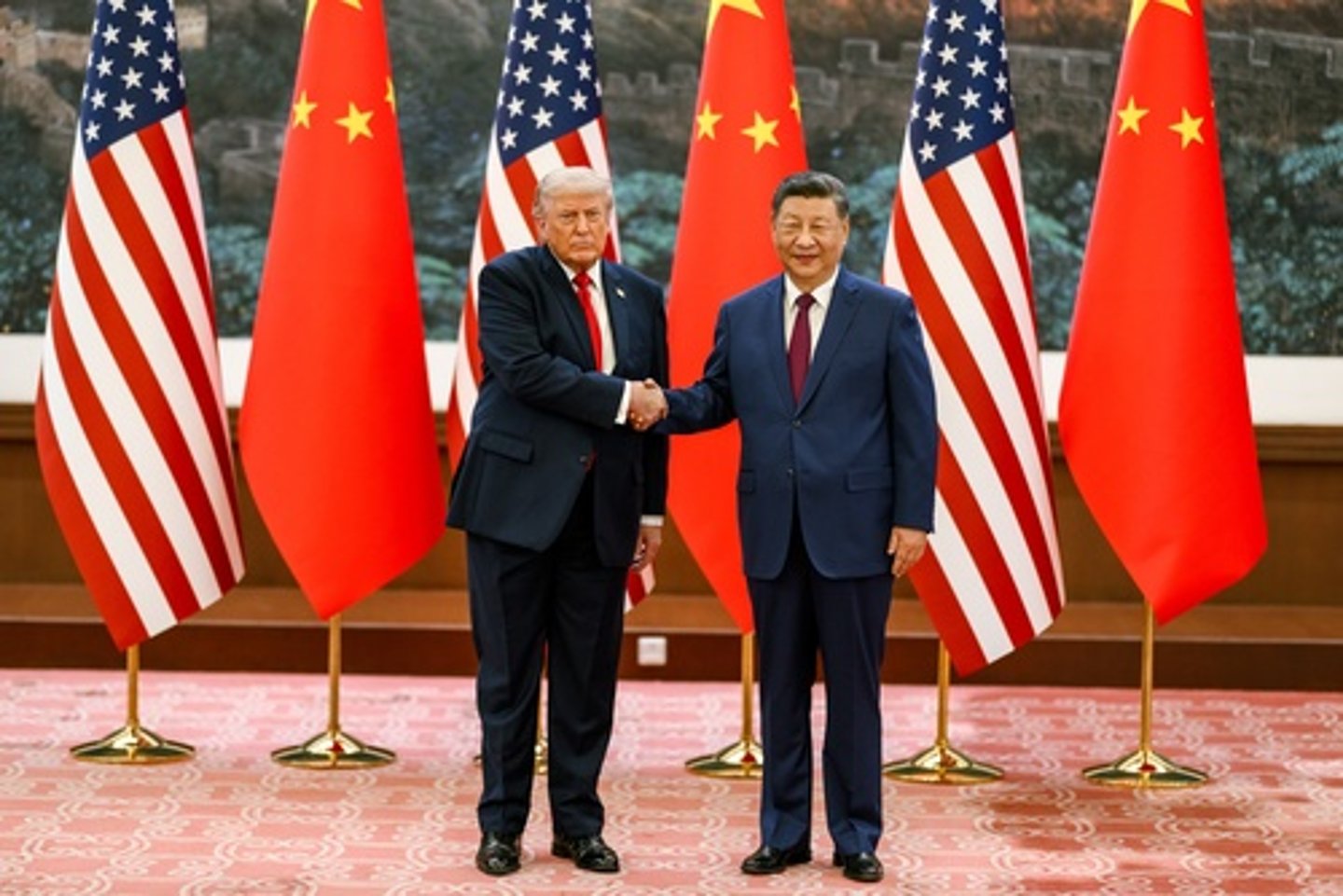
The United States and China have reached an agreement that will see both nations reciprocally reduce tariffs on imports and create a government-to-government bilateral trade organization.
Following a May agreement to found a U.S.-China Board of Trade with the mission of optimizing bilateral trade, the U.S. and China will now make that board’s first order of business to provide reciprocal reduced tariff treatment to a list of U.S. products for import into China and list of Chinese products for import into the U.S.
Products from China that are on the list for reduced tariff consideration include fireworks, toys, electric blankets, and a variety of home and kitchen items; while products from the U.S, being eyed for tariff reduction in China mostly consist of agricultural goods.
This agreement, reached Sunday, Sept. 27, follows a recent summit meeting at the White House between U.S. President Donald Trump and Chinese President Xi Jingping.
“The United States and China, under the auspices of the new Board of Trade, have recommended $30 billion of trade in non-sensitive goods on each side that could benefit from more favorable tariff treatment in the future,” said U.S. Trade Representative Jamieson Greer in an official statement. “From agricultural products to medical devices, President Trump is unlocking improved market access for about 30% of U.S. exports to China, while benefiting consumers with imports from China of household goods, toys, and other products that the United States generally does not import from other countries.”
Many China tariffs remain
In February, the U.S. Supreme Court ruled that Trump Administration did not have the authority to unilaterally impose tariffs on imported products under the International Emergency Economic Powers Act, or IEEPA.
IEEPA’s language does not specifically mention tariffs but does allow the president to regulate importations after declaring a national emergency. Trump had issued both reciprocal tariffs on countries which impose levies on imports from the U.S., as well as additional tariffs on China, Canada and Mexico for what he said was those governments’ failure to crack down the smuggling of fentanyl and other dangerous drugs to the U.S.
A tariff refund portal has since opened which has already returned billions of dollars in unauthorized tariffs, including nearly $1 billion to Target. However, tariffs which have been instituted under Sections 201 or 301 of the Trade Act of 1974, or Section 232 of the Trade Expansion Act of 1962 will remain in effect. Section 301 tariffs cover approximately 40% of U.S. imports, including many imports from China, which had an additional 12.5% tariff placed on them in July 2026.
[READ MORE: Tariff refund portal opens; some retailers may be due billions]
The U.S.-China Board of Trade will be overseen by the two sides’ principals, who include Scott Bessent, secretary of the treasury, and Jamieson Greer, U.S. trade representative, on the U.S. side, and He Lifeng, vice premier of the State Council, on the Chinese side.