
Selling into Canada this peak season? What U.S. retailers need to know
Peak season is already a difficult time to make changes to pricing, fulfillment and demand plans.
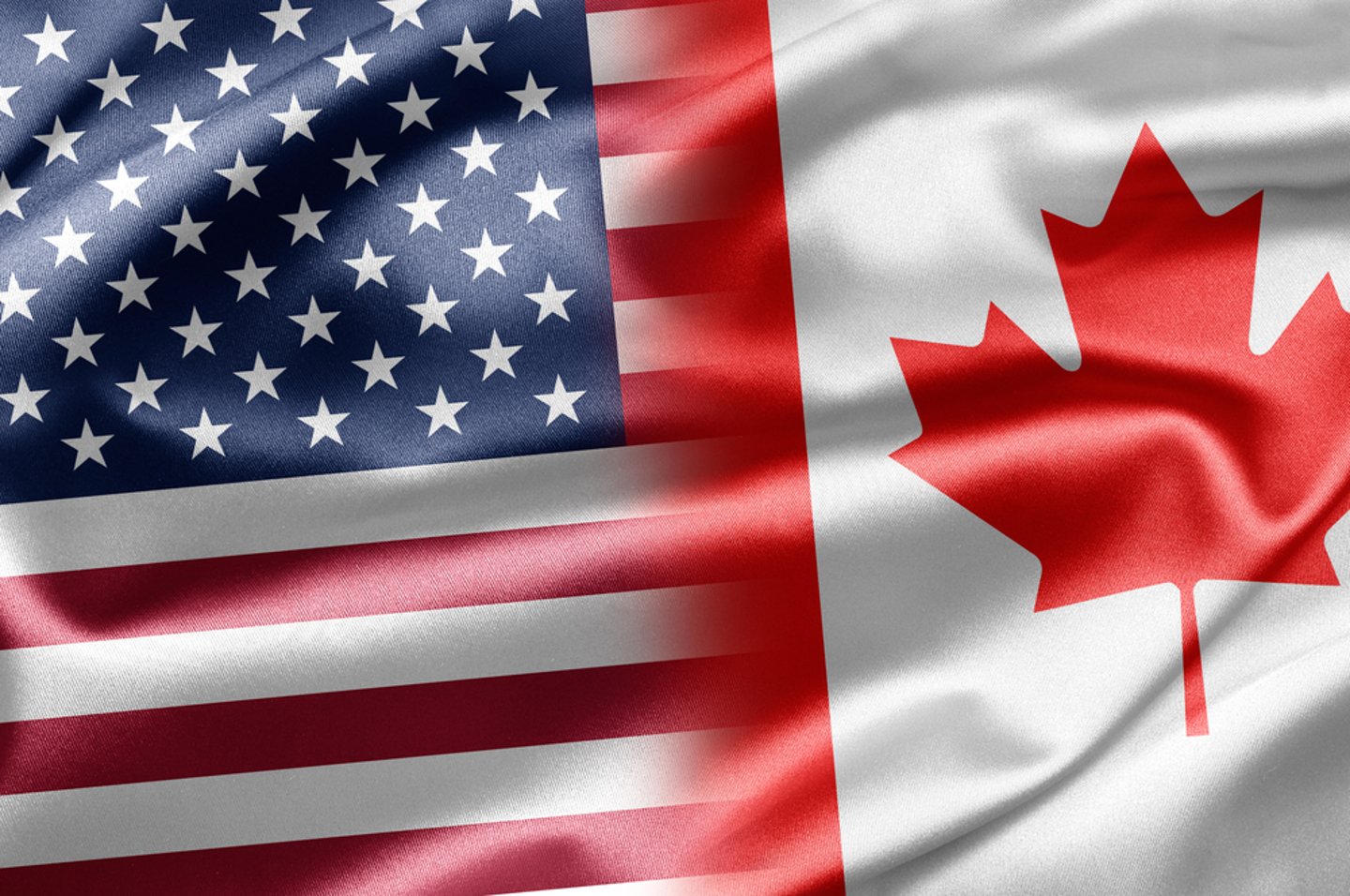
And this year, U.S. retailers selling into Canada have another variable: on Sept. 8, Canada imposed new counter-tariffs of 15%, 25% and 50% on $27.6 billion worth of U.S. imports, adding another layer of complexity to holiday pricing and demand planning.
But before retailers adjust their plans, they need to determine whether, and where, they are affected.
Tariff exposure starts with country of origin
A retailer may assume its entire Canadian business is impacted because it is headquartered in the United States, or because some of its products’ HS codes appear on the tariff list. However, exposure depends on where it was manufactured, rather than where the seller is headquartered or where the shipment begins.
For example, a U.S. seller may see its products’ HS codes on the tariff list and assume it will face the added cost. But if those products were manufactured in China, the new tariffs on U.S.-origin goods would not apply. Retailers that conflate a company’s location with a product’s country of origin could unnecessarily raise prices or pull back from the Canadian market just as peak begins.
With this in mind, retailers need to review their product classifications and country-of-origin data so they know exactly which products are affected before making any changes to their peak-season plans.
Pricing decisions shape the customer experience
Once retailers know where the tariffs apply, they have another decision to make: how much of the added cost can they absorb, and how much will ultimately reach the consumer? Canada’s previous tariffs provide some indication of how retailers have responded. During the 2025 tariff cycle, when Canada imposed counter-tariffs on a wide range of U.S. goods for roughly six months, an analysis from the Bank of Canada found that prices of tariffed products rose about 6% relative to unaffected products. Retailers absorbed much of the added cost initially, but their pricing decisions changed as expectations shifted around how long the tariffs would remain in place.
Retailers face a similar calculation today. Absorbing an added cost for a few weeks is very different from doing so throughout peak season. They need to determine where they have room to absorb costs, where prices may need to change and whether certain products require a different promotional strategy in Canada.
Whatever they decide, customers shouldn’t be left guessing. If duties, taxes or tariffs will be passed along, checkout systems should show the full landed cost before a shopper completes the purchase. A general warning that Canadian orders “may” be subject to tariffs isn’t helpful if the retailer already knows which products are affected and what the customer will owe.
That requires accurate product data and systems that can calculate the full landed cost before an order ships. There isn’t a workaround for products that are subject to the tariffs – changing carriers or shipping routes won’t change what is owed. Retailers and their shipping partners need to make sure the right tariffs are applied and communicated upfront, rather than surprising customers with an unexpected charge at delivery.
Especially during peak season, when retailers are competing for every sale, getting that experience right matters. But even retailers that accurately calculate and communicate the cost have another challenge to consider: Canadian shoppers may be changing what they buy in the first place.
Demand risk extends beyond tariffed products
During the 2025 tariff cycle, a YouGov survey found that 61% of Canadians said they started boycotting American companies — and that sentiment has carried into 2026. An August - September 2026 Build Canada poll found that 69% of respondents were choosing Canadian products despite higher prices, while 55% had stopped buying specific American brands.
With continued “buy Canadian” messaging from local businesses and communities, shoppers may not investigate where each product was manufactured or whether its HS code appears on the tariff list. They may simply assume that buying from a U.S. retailer will cost more, or decide to prioritize Canadian brands instead. This creates a demand-planning challenge beyond the higher landed costs on affected products.
Retailers should account for two possibilities in their holiday forecasts: weaker demand for affected products because of higher landed costs, and a broader decline that extends to unaffected products. Watching the two separately can help retailers understand what is driving the change. If affected products underperform while the rest of the assortment holds steady, price may be the more immediate issue. If unaffected products lose ground as well, consumer sentiment may be playing a larger role.
Peak plans need room to adjust
There is still no way for retailers to know exactly how the next few months will unfold. Rather than waiting to see whether the tariffs change before the holiday rush, retailers should build some flexibility into their plans now.
That could mean preparing for different pricing, promotion and inventory scenarios depending on how long the tariffs remain in place and how Canadian demand responds. Retailers should also know which parts of their assortment give them the most flexibility if they need to shift promotions or inventory during peak.
The goal isn’t to rebuild the holiday plan every time something changes. It’s to know which products are actually exposed, what customers will pay and how demand is responding so retailers can adjust quickly if they need to.

Kelly Martinez is co-president of ePost Global, which helps businesses absorb carrier failures, customs complexity and regulatory change so global delivery remains predictable.