
Global tariffs: What retailers learned and what’s next
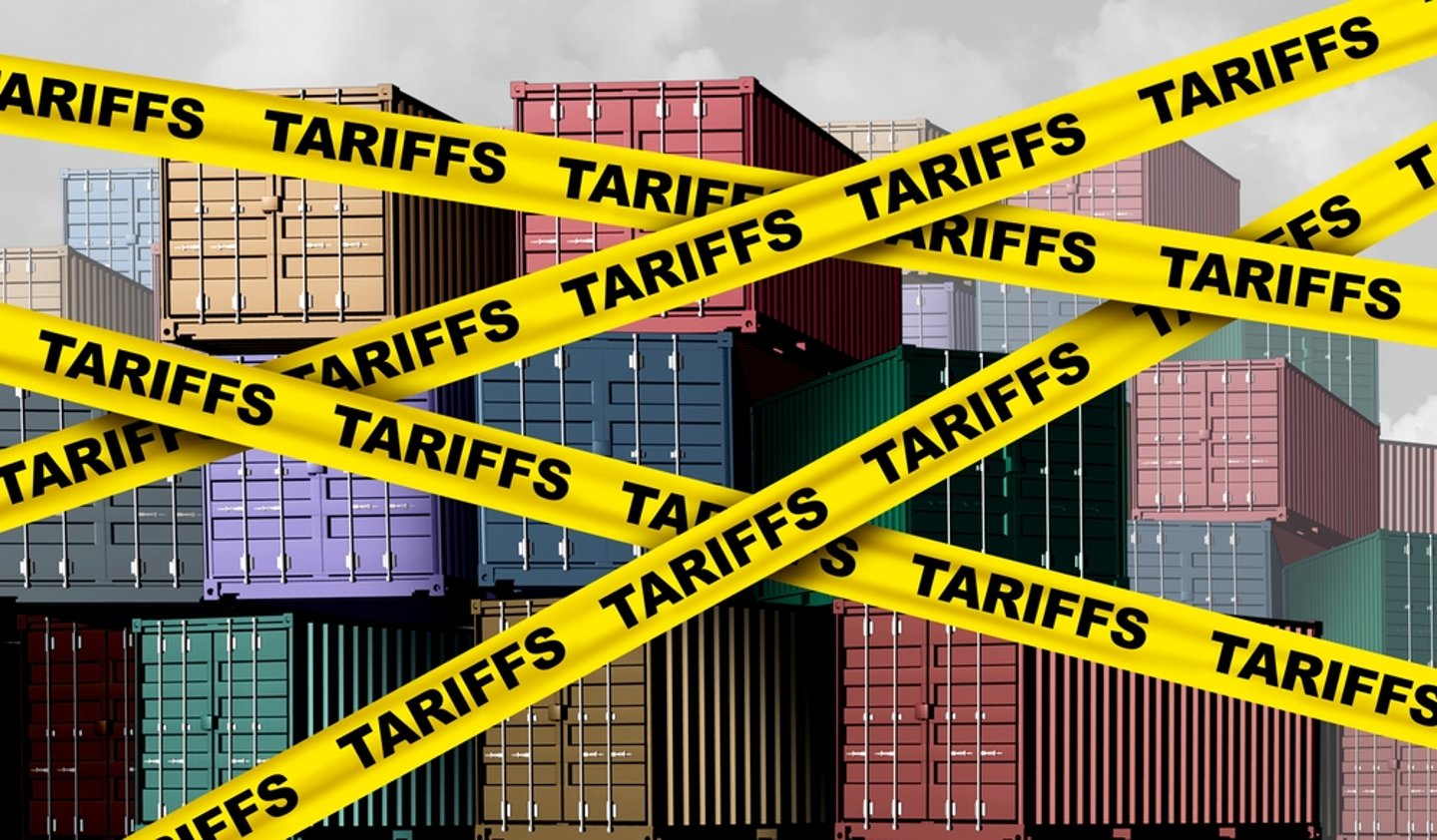
The past several months have shown how quickly a broad, near-universal tariff can reshape the trade environment.
Even as one specific measure expires, the underlying dynamic it introduced is not going away. The evolving trade landscape and implementation of a broad range of tariffs changes how retailers think about sourcing, pricing, and supply chain design. While the global Section 122 tariffs have expired, the implementation of Section 301 forced labor tariffs reflect a new challenge for retailers.
This is not simply another tariff adjustment. It reflects a broader move toward more interventionist trade policy and introduces a level of cost pressure and uncertainty that retail supply chains must now actively manage.
Although the new Section 301 forced labor tariff does not apply globally as Section 122 did, it still covers the U.S.’s major trading partners. The impact is broad, touching a wide share of product categories at once and limiting the ability to isolate or absorb costs in specific areas. In addition, the effect is cumulative, layering on top of transportation, labor, and existing duties as part of total landed cost.
Many companies will face margin compression unless they take deliberate action. Previous mitigation tactics, such as shifting sourcing to lower-duty jurisdictions, will be ineffective when most imports face a similar level of baseline duty:
- Traditional country-to-country switching delivers less benefit
- Supplier diversification still matters, but for resilience as much as cost
- Decisions increasingly require a full “end-to-end” cost assessment
In response, leading organizations are rethinking their approach to sourcing. Rather than optimizing for lowest unit cost, they are focusing on total landed cost, supply continuity, and risk exposure simultaneously. Over time, this may accelerate nearshoring or regionalization, particularly for higher-volume or time-sensitive product categories.
What This Means in Practice
Tariffs raise a fundamental commercial question: how much of the cost can be passed through to consumers? While some retailers may absorb portions of the increase, experience shows that tariffs often translate into higher retail prices over time. This creates both risk and opportunity.
Risk arrives in the form of reduced demand or margin pressure, while opportunity emerges for those able to reposition product mix or strengthen private label offerings.
As a result, pricing decisions become more strategic, requiring closer alignment across procurement, merchandising, and finance teams.
Staying Ahead of the Curve and Mitigating Volatility
Beyond the direct cost impact, one of the most significant challenges is uncertainty on trade policy. Recent tariff policy developments have involved rapid changes, legal challenges, and evolving implementation timelines that can be as disruptive as the tariffs themselves. This affects capital investment decisions, supplier contract negotiations, and long-term sourcing strategies, and many organizations are already delaying or recalibrating investments as they wait for greater clarity on trade policy direction. In this environment, flexibility and scenario planning are becoming essential capabilities.
The Section 301 Forced Labor tariffs took effect on July 24, 2026, leaving no time gap between the expiration of the universal 10% Section 122 tariffs. While the tariff increase from 10% (Section 122) to 10-12.5% (Section 301, forced labor) may seem insignificant, it is important to note that it accompanies other ongoing Section 301 investigations.
These include inquiries into Vietnam's intellectual property laws and practices, as well as investigations into excess capacity and production in certain manufacturing sectors. As a result, supply chain leaders should evaluate tariff exposure through a longer-term lens rather than focus on the fate of any single measure.
Rethinking Trade and Leveraging New Technology
These dynamics point to a broader shift in retail supply chains. For years, supply chains were designed primarily for efficiency, focused on cost minimization and just-in-time delivery. Today’s tariff environment is accelerating a transition toward resilience and adaptability. Leading retailers are increasingly prioritizing:
- Supplier diversification and geographic balance
- Enhanced visibility into cost drivers and risk exposures
- Scenario modeling to respond to policy changes in real time
Digital tools and advanced analytics play an important role in enabling these capabilities, particularly in identifying high-risk products and optimizing sourcing decisions.
Organizations that respond effectively to tariff changes take a proactive and structured approach: assessing tariff exposure at a detailed product and supplier level, re-evaluating sourcing strategies with a focus on total landed cost, exploring trade and duty mitigation opportunities where available, and aligning commercial and operational decisions across functions. Just as importantly, leadership teams are treating tariffs as an ongoing business variable, not a temporary disruption.
Trade policy volatility is likely to remain a defining feature of the business environment. Whether any single tariff measure proves temporary or evolves over time, its implications for supply chains are immediate. Retailers that can adapt their operating models, balancing cost, risk, and flexibility, will be better positioned to navigate continued uncertainty. Those that do not may find themselves reacting to change, rather than managing it.

Irina Vaysfeld is a principal with KPMG LLP’s Trade and Customs Practice in Detroit.