Supreme Court rules against tariffs; Trump sets 15% global levy

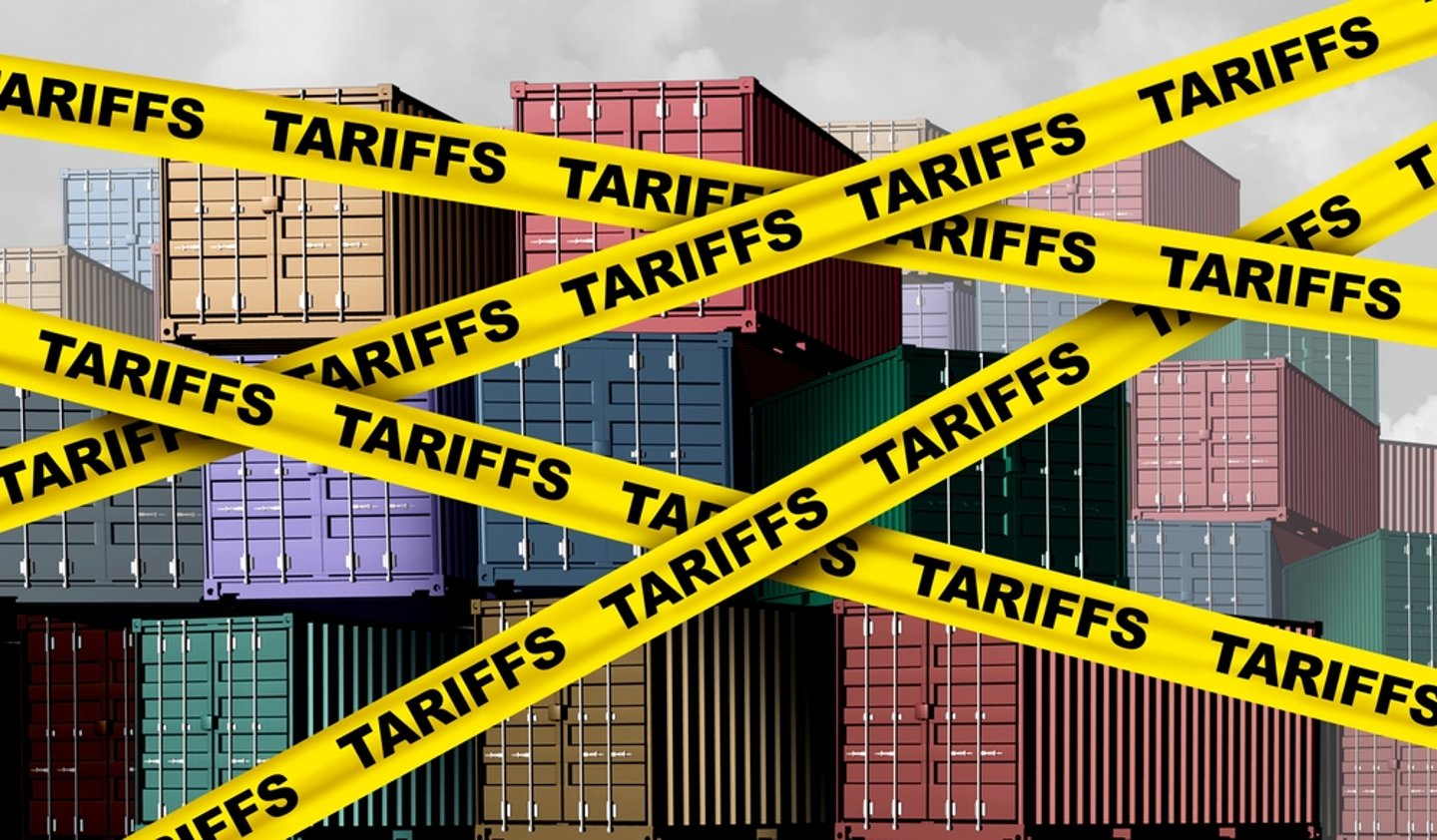
The nation’s highest court has rebuked one of the signature economic policies of the second term of President Donald Trump, and Trump is responding with a new temporary global tariff.
In a six-to-three ruling issued Friday, Feb. 20, 2026, the U.S. Supreme Court said that the Trump Administration does not have the authority to unilaterally impose tariffs on imported products under the International Emergency Economic Powers Act, or IEEPA. The ruling did not address the issue of whether the U.S. government must repay tariffs already collected, which have mostly been paid by U.S.-based importers and businesses and in many cases passed along to consumers.
Trump Administration officials have previously indicated they believe the president can still impose most of the tariffs he has put in place using other legal authorizations. And in public comments delivered at the White House shortly after the ruling was released, Trump said he will sign an executive order setting a new 15% "global tariff" under Section 122 of the Trade Act of 1974, which allows him to establish tariffs for 150 days, with Congressional approval needed for any extension.
Fifteen percent is the maximum tariff amount Trump can set temporarily under the Act. He initially said he would impose a 10% global tariff.
Emergency Economic Powers Act
IEEPA’s language does not specifically mention tariffs but does allow the president to regulate importations after declaring a national emergency. Trump had issued both reciprocal tariffs on countries which impose levies on imports from the U.S., as well as tariffs on China, Canada and Mexico for what he said was those governments’ failure to crack down the smuggling of fentanyl and other dangerous drugs to the U.S.
[READ MORE: Consumers, businesses paid most of 2025 tariff costs, according to NY Fed report]
Trump has publicly stated that the U.S. has collected about $600 billion in tariff revenue so far, while other estimates place the total in the range of $200 to $300 billion during 2025.
In other comments after the ruling, Trump said that all tariffs which have been instituted under Sections 201 or 301 of the Trade Act of 1974, or Section 232 of the Trade Expansion Act of 1962 will remain in effect. Section 301 tariffs cover approximately 40% of U.S. imports, including 70% of textile and apparel imports from China.
In an official statement released shortly after the Supreme Court ruling, David French, executive VP of government relations at the National Retail Federation, said the court’s announcement regarding tariffs provides “much-needed certainty for U.S. businesses and manufacturers, enabling global supply chains to operate without ambiguity.”
"Clear and consistent trade policy is essential for economic growth, creating jobs and opportunities for American families," French said in the statement. "We urge the lower court to ensure a seamless process to refund the tariffs to U.S. importers. The refunds will serve as an economic boost and allow companies to reinvest in their operations, their employees and their customers."
In comments to Chain Store Age, Simon Geale, executive VP of global procurement and supply chain consultancy Proxima, said that the Supreme Court's ruling is big, but it signals more uncertainty. He predicted that trade policy will likely stay volatile, which may mean a sustained trend of higher input costs passed on to consumers.
"The rewiring of supply chains will continue," Geale said.
READ MORE: Expert Weigh In: Supreme Court strikes down Trump's tariffs
Supreme Court Chief Justice John Roberts delivered the ruling. Justices Sonia Sotomayor, Elena Kagan, Neil Gorsuch, Amy Coney Barrett and Katanji Brown Jackson voted against the tariffs. Justices Clarence Thomas, Brett Kavanaugh and Samuel Alito voted in favor of keeping them in place. Read the full ruling here.