Survey: Majority of supply chain leaders aiming to reduce environmental impact

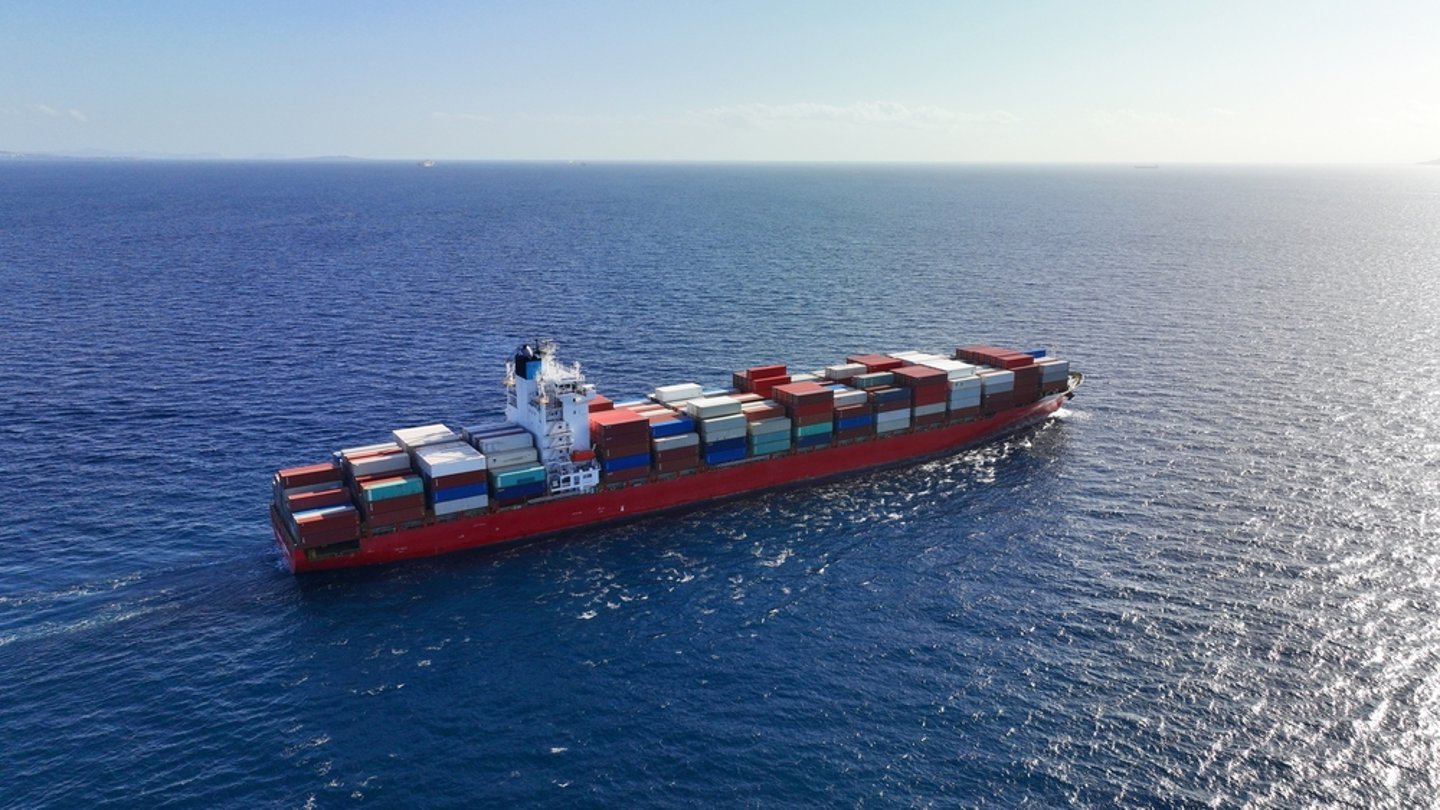
Despite global disruptions, supply chain leaders are still aiming for sustainability.
That’s according to the 2026 Supply Chain Compass: Spotlight on Sustainability report from supply chain management company Blue Yonder, which found that two-thirds (66%) of leaders are actively working to reduce their supply chain’s impact, and nearly half (47%) of large enterprises have created dedicated sustainability teams. Blue Yonder noted that supply chains are responsible for 60% of global carbon emissions.
One-quarter (25%) of respondents said that their current sustainability targets do not go far enough, while another 25% said the right sustainability initiatives will be “disruptive” to current processes.
More than one-quarter (26%) of those surveyed say data and traceability are the primary actions needed to further sustainability efforts, while 33% identify forecasting technology as a sustainability opportunity.
When it comes to new technology, supply chain leaders are much more likely to associate artificial intelligence with operational gains than with sustainability outcomes, according to the survey. Respondents’ top three operational benefits of AI were better planning and predictability (29%), better risk management (26%), and better, faster decision-making (23%). Only 11% said AI could deliver sustainability benefits, and just 13% cite enhanced traceability as a key benefit of using AI.
Despite the desire for more eco-friendly initiatives, only 12% of supply chain leaders list sustainability among their top three strategic priorities, down from 24% last year. This comes as nearly seven-in-10 (68%) leaders cite economic challenges like labor and inflation as top concerns.
“Sustainability remains a priority, even in a year marked by immediate business risks like tariffs, disruption and inflation,” said Saskia van Gendt, chief sustainability officer at Blue Yonder. “Right now, efforts are primarily focused on improving efficiency and productivity and making faster, better decisions, which can translate into less waste, more sustainable operations and cost savings. Sustainability is no longer a discrete objective, but a strategic element of mature, modern business plans.”
[READ MORE: Walmart joins cotton sustainability initiative]
For its report, Blue Yonder surveyed 678 senior supply chain professionals from large enterprises with annual revenue of more than $500 million.