Q&A: New Centennial CEO talks entertainment background, evolving shopping centers

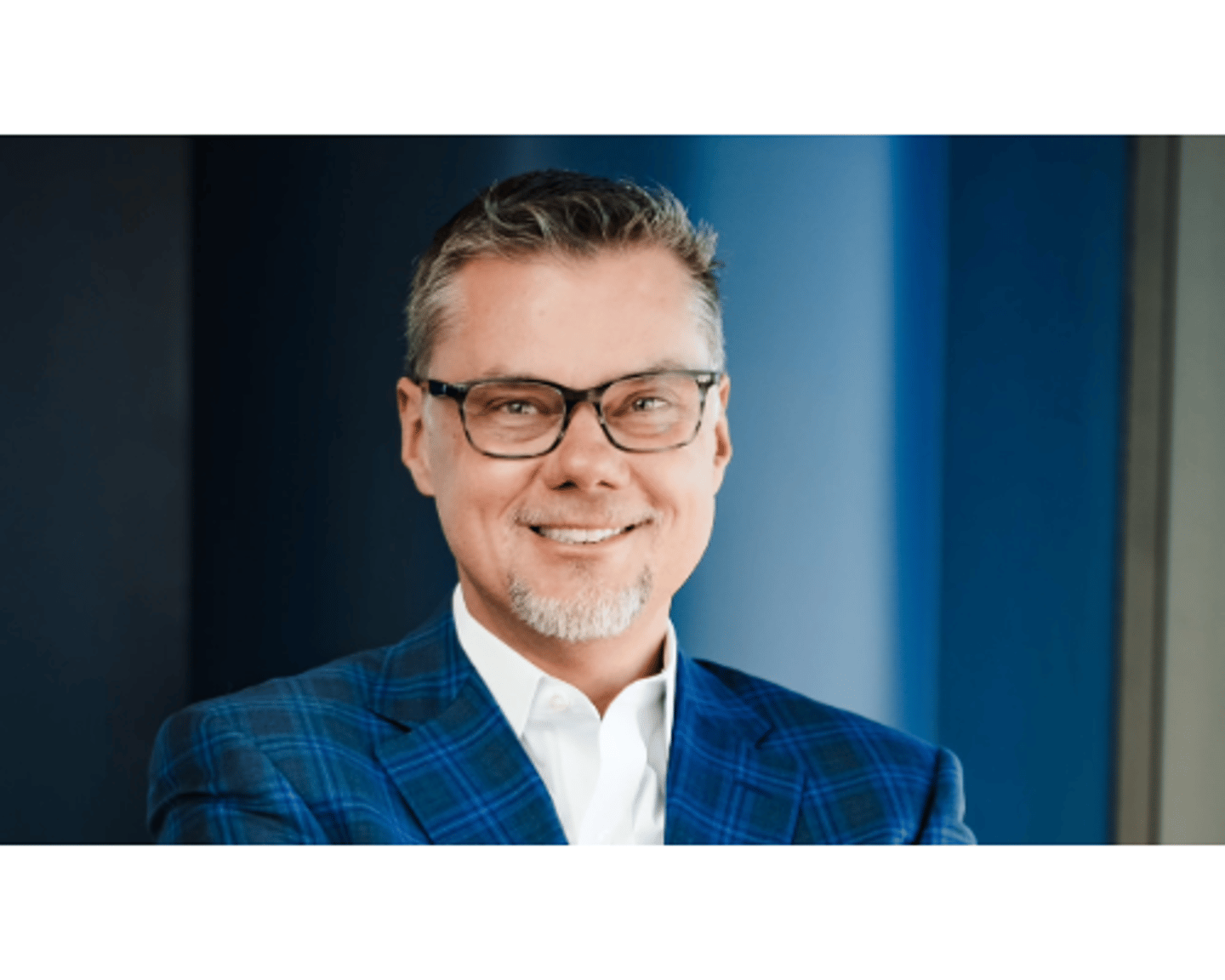
Dallas-based retail real estate investment firm Centennial has a new leader at the helm.
Following the retirement of founder Steve Levin, Paul Kurzawa, a veteran of the commercial real estate and entertainment industries, officially took over as chief executive on June 30.
Prior to joining Centennial as president in 2024, Kurzawa spent three years as the chief operating officer at CenterCal Properties. Other prominent stints on his resume include seven years in various roles at Caruso, along with spending more than two and a half years as the global head of retail development and entertainment at DreamWorks Animation.
Kurzawa recently spoke with Chain Store Age about taking the reins of Centennial from Levin, the changing landscape of the retail experience, the company’s strategy moving forward and more.
Paul, how has the transition from president to CEO been?
I've been associated in one way or another with Centennial for about 10 years now, so I'm very familiar with the company and the executive team and how they operate. I’ve known Steve Levin for the same amount of time. Over the time that I've been with Centennial, I've been in a lot of respects already kind of running the day-to-day operations of the company.
That, together with the support from Steve and the leadership team has made this transition incredibly smooth and not only for myself, but more importantly for the organization in terms of how we operate and maintain our strategic focus.
Outside of Levin, who are some other mentors you have had throughout your career, and what have you learned from them?
I would start by saying my father, because he was an executive for a global computer company in Australia, and from a very young age, I used to sit there and watch how he would operate. So I certainly attribute a lot of my business acumen to him.
In terms of the industry and what has shaped my lens in terms of how I view the business, how I create strategy and how I lead teams, I would say one of the top people I've learned from would be Rick Caruso. His approach to real estate and what he's done to trailblaze what experience really means is second to none. His approach and his tenacity towards the business is something that was very inspiring to me in the time that I spent working with him.
I was also very much influenced by Jeffrey Katzenberg [co-founder of DreamWorks] in the time that I was with the company. Jeffrey had a vision to create a business where we would draw upon the storytelling and the technical wizardry of the studio to create branded entertainment experiences and help retail reinvent some of their space that was underutilized,
There are several others. For those in the industry who know Sarah Vasquez, she is a highly-respected executive in the business whom I have known for almost as long as I've been in the United States – which is 30 years. She really shaped the people management side of the business for me, which is frankly the most important.
It's not only people that I've worked for, but it's also people I've worked with, and there are too many to name.
How did your tenure at DreamWorks change your approach to commercial real estate, especially with the growing focus on entertainment and experiences?
When I left Caruso and joined DreamWorks, it was a little bit of a leap of faith. I remember my first day at DreamWorks. The day before, I was in a design charrette working on a mixed-use real estate project, and the next day I was in a motion capture stage watching two actors with little dots all attached to them doing motion capture for a “Puss in Boots” movie.
For me, the genesis of this was all about how to reinvent space. Many entertainment verticals are rich in content, and their drive is to create as much content as possible for streaming services and other venues. But back then, the ability to monetize that content was really in its infancy.
You had DreamWorks and other studios looking at how to monetize their IP, and on the other side, you had shopping center businesses saying, "We have department stores and places like Barnes & Noble closing, so we have a lot of space becoming vacant. How do we reinvent this space, and what do we do with it?" It was the perfect time for the evolution of entertainment to become something more physical, interactive and active in the real world outside of digital frames.
Originally, the approach was to go to movie studios to see if they would pay to run an activation in a shopping center. With DreamWorks, part of the model was to create these activations and then find real estate, expecting the shopping centers to make an investment in creating the entertainment experience. It was a bit of a mindset shift.
Today, you are seeing more and more of these concepts emerge, whether it's Netflix coming out with Netflix House, or smaller operators coming together with capital to launch activations. There is definitely a shift toward more entertainment activities finding their way into real estate and retail destinations in particular. Landlords are becoming much more accepting of how these deals are structured, how much capital they need to invest, and the importance of having these concepts in shopping destinations today.
As far as Centennial’s overall strategy, are you expecting any changes in the near future now that you’ve taken over as CEO?
We will continue to look at new acquisitions of existing retail destinations where there is an opportunity for us to come in and add value, whether that's enclosed regional centers, open-air lifestyle centers or neighborhood grocery-anchored centers. We're looking across various components of the asset class, so we'll continue to do that.
[READ MORE: Centennial and Lincoln launch a new retail operating platform]
Being a part of Lincoln now and serving as the retail operating platform for Lincoln has given us an opportunity to plug into their ecosystem. That has brought us ground-up opportunities, which is great for us because historically Centennial has not been a player in that realm. Now, with Lincoln's capabilities and their reach across 38 markets nationwide, we've been able to identify three ground-up opportunities (one was already underway) that we are actively involved in, and we will continue to work in partnership with our colleagues at Lincoln.
How will Centennial continue evolving the retail centers in its management portfolio to meet consumers’ changing needs?
First and foremost, we listen to our customers, which we do in various different ways at a more localized level. It also means talking to our retailers, who have a pretty good pulse on who their customer and target audience are.
We also talk to our communities – whether that's the cities, the municipalities or community leaders – and get a general sense of what people are looking for. It's interesting, especially today in the day and age of social media, people will tell you what they want. For example, if we have a mall in a market where people want to see a Dick's House of Sport and they're saying, "Oh, I have to drive three hours to go to a Dick's House of Sport," well, guess what? That's a great reference point for what is needed.
The other thing is that a lot of these operators and retailers actually have a point of view on what markets they want to be in, which helps lead the discussion too. So it comes from various different sources now. It is a live, real-time, dynamic process where you constantly have to pivot to say, "Well, this might be a really great use," or, "Maybe it's not, maybe we should look for something else."
That's generally how we go about it. It's not a perfect science, and I don't think it can be, because the way people articulate their thoughts and desires now is very different from what it was 15 years ago.