Data & Analytics

  • Visa: It’s the chip, not the PIN

    As chip-based EMV cards become the payment norm for retailers, Visa continues to assert that PINs and even signatures are unnecessary security measures in a rapidly evolving payments landscape.

    In a conference call, Visa executives explained why the company is taking the view that not only is PIN verification not a major concern, but neither is obtaining the customer’s signature.

  • YouTube shows new sales potential

    Videos just became more valuable to retailers. YouTube is releasing Shopping ads, a new advertising format that lets viewers click and buy products directly from videos.

  • Lionel roars into omnichannel

    Lionel LLC has been making and selling model trains for 115 years, but that doesn’t mean the company is behind the times. Lionel is using NetSuite NetCommerce to run its end-to-end omnichannel commerce business.

    The implementation, which only took four months, powers the company’s consumer-facing e-commerce websites for its Lionel Trains and Lionel Racing brands, call center, inventory management, order management, marketing, customer support and financials.

  • Want it now? Social media can help

    Social media has evolved into a powerful marketing tool for retailers. But so far, social commerce is not yet a major transactional channel.

    Twitter is the latest social platform to attempt to take advantage of social media’s immediacy to offer direct purchase functionality aimed at impulse shoppers.

  • Study: Holidays may be merry, but not mobile

    Consumers may make merry during the upcoming holiday season, but mobile devices may be less a part of the action than retailers like.

    According to a new survey from marketing automation platform provider Bronto Software, only 19% of holiday shoppers plan to purchase from a tablet, and 22% from a smartphone.

    Consumers will use mobile devices to search for the best deal: 65% will look for promotions and coupons, 63% will check prices on that store's website and 61% will search for lower prices at another store or site.

  • NRF: Life will continue with EMV

    Despite all the commotion surrounding the Oct. 1 deadline for U.S. retailers to accept EMV-compliant payment cards, the National Retail Federation (NRF) expects no drastic shifts to occur.

  • Eight Changes That Will Impact the Retail Real Estate Industry

    The retail real industry has experienced its share of changes over the years, but nothing comes close to the transformation that it is currently undergoing.

    As the industry undergoes what the International Council of Shopping Centers calls one of the “most profound transformations” in its 60-year year history, the association has releases its Envision 2020 report, a collaborative initiative that outlines where the industry will be in five years according to leaders from around the globe.

  • Microsoft set to unveil long-awaited flagship

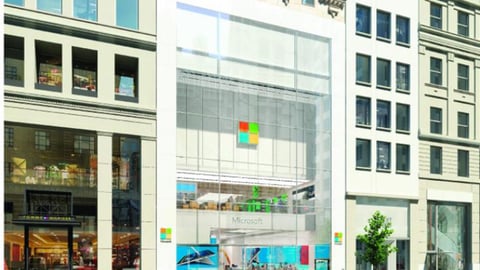
    The wait is finally over—and with it, the competition between Microsoft and Apple takes a closer turn. Microsoft will take the wraps off its Manhattan flagship, on Oct. 26. The store is located on Fifth Avenue and 53rd Street, just a few short blocks from Apple’s Fifth Avenue flagship with its glass cube entry.

  • Ikea goes renewable in Missouri

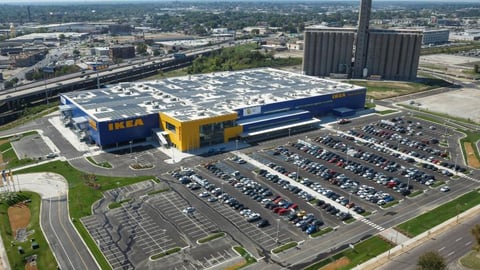
    Ikea continues its commitment to renewable energy with the opening of its store in St. Louis.

    The 380,000-sq.-ft. store, the Swedish company’s first in the state of Missouri and 41st in the United States, features the largest rooftop solar array in the state of Missouri.

    It is also the first Ikea location in the United States that is lit entirely with LEDs, both inside and out. It is also the first to open with LED lighting for sale.

    To date, Ikea has a renewable energy presence at 90% of its U.S. locations.

  • Free Returns: An Obstacle for e-Commerce

    Studies indicate that online shoppers abandon websites that do not offer free returns shipping. This only makes sense, as the allure of e-commerce is convenience, a broad selection of merchandise, and competitive prices. Free shipping — from delivery through return — keeps the total purchase price similar to in-store shopping.

    But there are two sides to free returns.

    1. Free Returns Increase Sales

X
This ad will auto-close in 10 seconds