Machine Learning

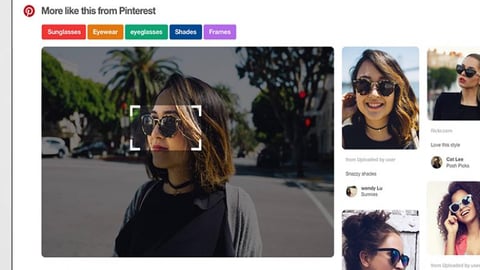
  • Pinterest extends visual search — off its site

    Pinterest’s visual search capabilities just got broader.   On Monday, March 6, the social media site expanded its visual search technology into its browser extensions — a move that enables pinners to save images found online and use them as a jump-off point for discovering similar ideas on Pinterest, the company said.   Chrome is the first extension to receive the functionality.  
  • Report: New robot controlled by user’s brain

    The newest robots like the way their controllers think.   Rather than relying on touch screens and artificial intelligence, a new “droid” is controlled by a user’s brain responses, according to ReCode.  
  • Discounter uses machine learning to stay 'on Target' with shopper demand

    Target’s omnichannel journey may have started five years ago, but newly-emerging digital touchpoints continue to change the game.   By leveraging machine learning to tap into customer demand, the mass merchandiser is defining which touchpoints are not only valuable, but influencing its shoppers’ paths-to-purchase. The initiative was discussed at the “Determining New Omni-KPIs To Hit Goals And Key Drivers” session at eTail West 2017, in Palm Springs, California, Feb. 27-March 2.  
  • Study: Majority of retailers are ready to invest in IoT

    As the retail industry continues its digital transformation, chains need a new formula to best service its shoppers.   To achieve this goal, 70% of retail decision makers are ready to make changes to adopt the Internet of Things (IoT), according to the 2017 Retail Vision Study, from Zebra Technologies. The study analyzes the technology trends shaping the future of the global retail industry and enhancing the shopping experience.  
  • Connected devices: The new point-of-sale?

    Visa and IBM have a vision — that any device connected to the Internet of Things can securely process payments. And this means “any device.”  
  • Study: Connected devices present major cyber-security risk

    It seems information security programs are not keeping up with the pace of evolving cyber-threats.   As more companies support Internet of Things (IoT) and bring-your-own-device (BYOD) programs, they become bigger targets to savvy cyber-criminals. This threat grows more serious when 66% of IT security professionals aren't sure how many devices are even in their environment.  
  • Pinterest makes it easier to buy with ‘Shop the Look’

    Buying merchandise on Pinterest just got even easier.   On Wednesday, Feb. 8, the social media site rolled out a new service called “Shop the Look.” An extension of the company’s Buyable Pins program which enables “pinners” to buy a specific item directly on Pinterest, Shop the Look users can “click on and even buy products they find inside fashion and home decor Pins,” Tim Kendall, Pinterest’s president, explained in the company’s business blog.  
  • Lululemon’s journey toward ‘mindful’ customer interactions

    Like the principle of yoga, Lululemon Athletica knows the value of learning from a journey — in this case, its shoppers’ journeys.   In fact, this information will help the athletic apparel retailer hit its newest milestone: “touching one billion people and doubling our revenue over the next five years,” Miguel Almieda, Lululemon’s executive VP digital, said at last week’s NRF Convention and Expo in New York City.   
  • Tech Bytes: NRF 2017: Evolve with disruptors to remain relevant

    The trends featured at the annual NRF Convention & Expo never fail to get the tech juices flowing, and this year was no exception.    Sessions and the expo floor illustrated how retail technology has changed dramatically in a very short time. However, the event also relayed a sobering message: the industry needs to greatly evolve to keep up pace with customer expectations, and remain relevant in the long-term.  
  • Alibaba makes a bold move to fight fake goods

    Alibaba is championing the fight against counterfeit merchandise.   In a new alliance with international brands including Louis Vuitton, Samsung and Mars, Alibaba has created an anti-counterfeiting group. Called the Alibaba Big Data Anti-Alliance, the 20-member consortium of industry and technical leaders is working to keep pirated goods off of Alibaba’s e-commerce platform, according to the company’s website.  
X
This ad will auto-close in 10 seconds