Here’s how SNAP restrictions are changing consumer spending

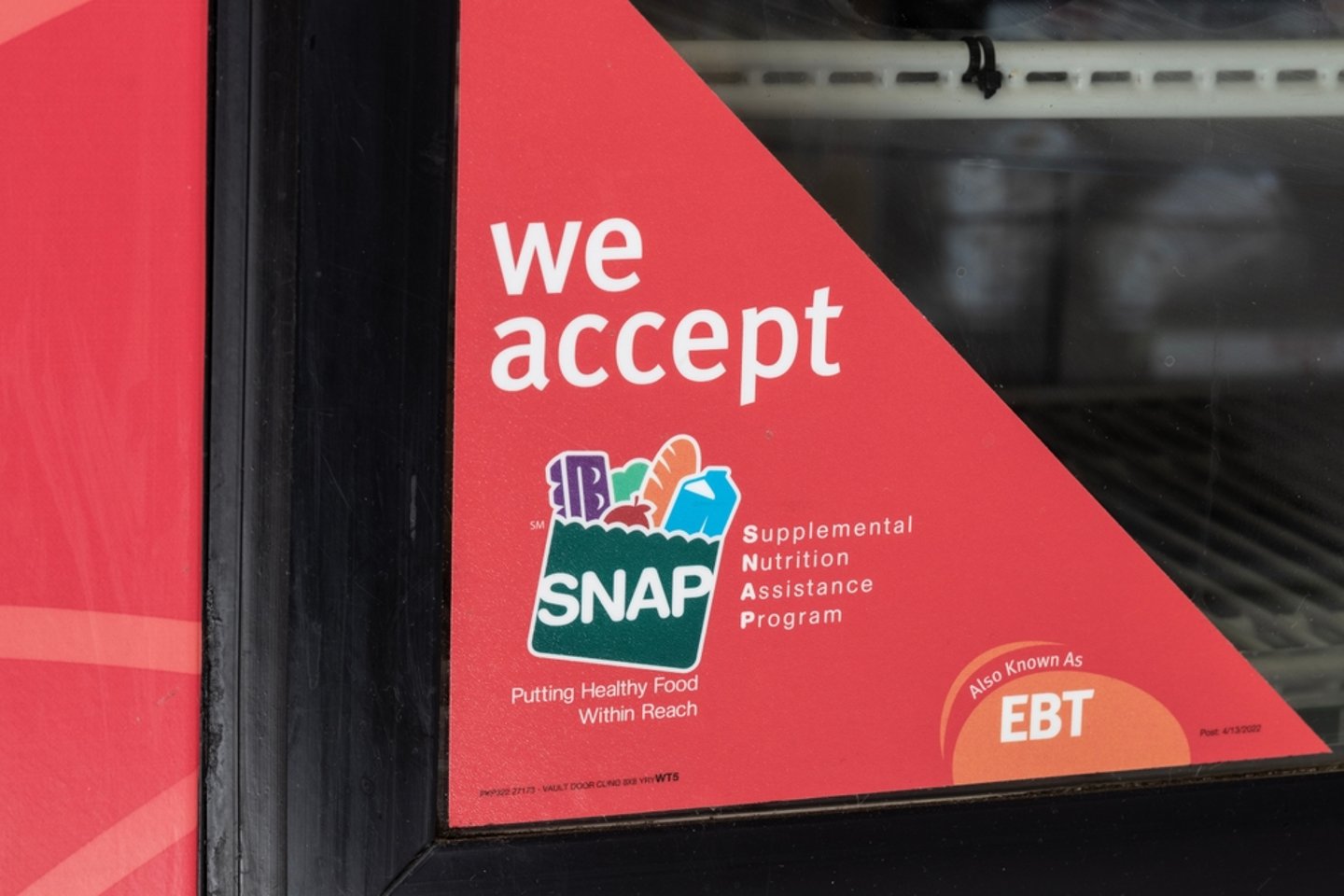
Cutbacks and waivers in the Supplemental Nutrition Assistance Benefits (SNAP)/Electronic Benefits Transfer (EBT) program are impacting shopper behavior.
SNAP - popularly known as “food stamps” – has seen both temporary and permanent reductions in funding since fall 2025. A new study from Numerator reveals how those reductions have affected consumer spending patterns.
During the federal government shutdown of late October and early November 2025, weekly grocery spending among SNAP households fell by 10%, from $233 in the week of Oct. 5 to $210 by Oct. 26, before stabilizing into early November and eventually recovering.
[READ MORE: Numerator: SNAP shoppers spend average of $832 on groceries monthly]
In permanent changes to the SNAP program, by the end of 2026, 19 states will have food restriction waivers in place that directly restrict the use of SNAP benefits for categories such as soda, candy, and energy drinks, affecting roughly one-third of SNAP participants.
More than six-in-10 (63%) surveyed SNAP consumers said they would use non-SNAP dollars to purchase soda if it became ineligible, whether to buy as usual or shift to less expensive alternatives. Six-in-10 said the same with candy, while less than half (45%) said the same for energy drinks.
In addition, if soda and energy drinks became ineligible, more than 30% of surveyed SNAP consumers said they would possibly substitute with tea, juice, and coffee. Candy showed a similar pattern, with fruit, ice cream, and fruit snacks also each cited by over 30% of surveyed SNAP users as potential replacements.
According to Numerator analysis, in states implementing food restrictions by the end of 2026, SNAP households intending to redirect spending to other categories or cut back purchases could drive sales declines of up to $430 million for soda, $300 million for candy, and $100 million for energy drinks.
'One Big Beautiful Bill' has SNAP impact
Numerator also examined how the extension of work requirements for SNAP-eligible adults aged 55 to 64 without dependents mandated by the One Big Beautiful Bill Act (OBBBA) is affecting these households, with 54% reporting reduced benefits since November 2025 (29% say the reduction is extreme, 26% say it is minor to moderate).
In December 2025, Sam’s Club, Dollar Tree and Aldi saw increased spending from 54–65-year-old SNAP households compared to the prior month, with Amazon and Walmart.com showing significant spending pullback from these consumers in the same period.
Almost half (48%) of surveyed 55–64-year-old SNAP households expect future reductions in monthly benefits. If benefits are reduced further, these consumers plan to shop sales/discounts (54%), buy private label and cheaper brands (37%), visit food pantries (36%), and shop at dollar/discount stores (30%).
Numerator combined verified purchase data as well as a Verified Voices survey of over 1,000 SNAP households (households that used SNAP as a payment method on a shopping trip at least once per month for the past year) in its study “SNAP Spending in 2026: How OBBBA and Food Restrictions Are Changing Consumer Behavior.”