ECOMMERCE

  • One Kings Lane puts down physical roots

    Online home furnishings and decor retailer One Kings Lane is making its temporary foray into brick-and-mortar retail more permanent.   The retailer opened its first-ever physical location, a seasonal pop-up in the posh resort town of Southampton, New York, at the beginning of summer. But the company said the response to the temporary store was so positive that it has decided to make it a permanent space.  
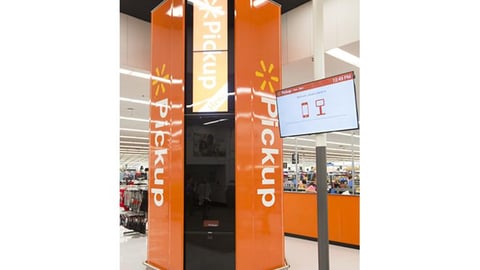
  • Discount giant adds another massive ‘Pickup Tower’

    Walmart’s self-service kiosks that cater to online order in-store pickups have hit Nevada.   The discount giant has added a 16-ft. “Pickup Tower” at its Las Vegas Walmart Supercenter. The tower is the first machine to be installed on the West Coast, according to Las Vegas Review-Journal.  
  • Women’s apparel retailer accepts mobile payments from Chinese shoppers

    Rebecca Minkoff is making it easier for Chinese customers to purchase from the brand.   Through a partnership with Chinese online payment provider Alipay, upscale apparel retailer now enables Chinese shoppers to use their Alipay Mobile Wallet to make purchases at any United States-based Rebecca Minkoff store, or while shopping online. The mobile wallet is accepted in all Rebecca Minkoff stores located in New York, Chicago, San Francisco and Los Angeles.  
  • Online giant to open machine learning hub in Barcelona

    Amazon is stepping up its commitment to machine learning.   The online giant plans to open a new research and development (R&D) hub in Barcelona, dedicated to machine learning. Amazon expects to open the lab in early 2018, according to The Verge.   Amazon plans to hire more than 100 engineers and scientists for the lab.   
  • Amazon on hunt for location to build a second North American headquarters

    The search is on for Amazon.    The e-commerce giant is currently evaluating where it will open its second company headquarters in North America. The new office, referred to as "HQ2," will be a complete headquarters — not a satellite office. It also could have a similar layout to Amazon's Seattle campus, which employs 40,000 people, and encompasses 8.1 million sq. ft. with 33 buildings, including 24 restaurants.  
  • Cloud computing to drive Billabong’s omnichannel experience

    A board sports apparel retailer is taking steps to blend its physical and digital retail channels.   Billabong is leveraging the Aptos Singular Commerce platform to support omnichannel retailing across its global enterprise. The cloud-based solution will merge the retailers’ physical and digital retail channels, and create a single view of customers, inventory and orders, among other operations.   
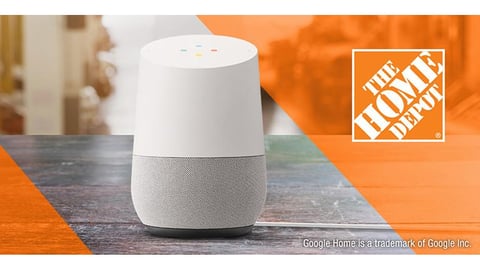
  • Home Depot adds ‘voice-activated’ shopping to the mix

    The nation's largest home improvement retailer is getting in on the voice shopping game.   Home Depot is joining Google Express this fall, a move that will give its customers the ability to shop just by speaking their orders. Google Assistant, the search giant's online shopping platform, resides on Google’s smart speaker Google Home and other smart devices.   
  • First Look: Amazon Books, Manhattan

    Eleven and counting. That's where Amazon Books stands with the opening of its newest outpost.  
  • Kohl's to partner with e-commerce giant on in-store shops

    Yet another traditional retailer is partnering with Amazon, as the online behemoth continues to expand its presence in brick-and- mortar stores.    Kohl's plans to add an Amazon "smart home experience' in-store shop, or "zone," in 10 select Kohl’s locations across the Los Angeles and Chicago areas starting in October. The spaces will allow shoppers to try out and purchase Amazon devices, accessories and smart home devices and services directly from the online retailer.  
  • California grocer’s educates customers at the shelf’s edge

    Raley’s is helping its customers make more informed food purchasing decisions in-store and online.   Called the Raley’s Shelf Guide, the program features icon-based shelf tags that educate shoppers about current food trends and industry research — and also sets stricter standards for packaged food claims. Overall, the service is creating label transparency when it comes to helping customers understand packaged goods’ ingredients, food processing and nutritional value.  
X
This ad will auto-close in 10 seconds