Attitudes: Retailers

  • There’s no place likes stores for the holidays

    Want to get in the holiday spirit? Visit a store.    The overwhelming majority (75%) of Americans believe shopping in a store is one of the best ways to get in the holiday spirit, while 58% say that online shopping takes some of the fun out of holiday shopping, according to new research by Citi Retail Services.  
  • Report: Nearly half of retailers falling behind in omnichannel efforts

    Omnichannel adoption is a prerequisite to remain relevant in today’s retail world. Yet, many retailers are still missing the mark.   That is the message delivered in “Five Insights into the Omnichannel Landscape,” a benchmark report from eTail East and WBR Digital.  The study reveals progress among multiple retail sectors, including specialty retail, apparel, and high-end fashion apparel, among others.  
  • Commentary: ‘Down-ballot’ issues that could impact retailers and other businesses

    Because of the tone and tenor of the presidential campaign, lots of folks might be surprised to learn there are many other significant races going on across the country. These so-called “down-ballot” elections for governors’ offices, U.S. House and Senate seats, state legislatures and other offices may hold the real clues for what the next four years entail for employers, no matter who wins the White House. Believe it or not, there are substantive candidates actually discussing substantive kitchen table issues that impact families and communities.
  • Webinar: Are your analytics capabilities keeping up — or falling short?

    Chain Store Age is sponsoring a webinar that will reveal new market research from the International Institute for Analytics. Learn about IIA’s retail industry analytics maturity index and the characteristics of the highest-performers—and see how your company measures up.     “Competing on analytics” is no longer a mystery. Find out how your company can get with the program.  
  • Poor staffing practices damaging retailers’ bottom lines

    Inefficient staffing processes and lack of adequate workforce engagement tools are causing retailers to leave money on the table.   That’s according to new survey by Workjam, which found that only 17% of retail managers feel their stores’ hourly associates are very motivated and engaged. As a result, 47% of the managers say at least 5% of their staff quit in an average three-month period.  
  • Report: Walmart takes action before new overtime rule goes into effect

    Walmart is upping some managers’ salaries in anticipation of the Department of Labor’s new overtime rule, scheduled to take effect Dec. 1, 2016.     The retailer, the nation’s private employer, raised salaries for entry-level managers from $45,000 to $48,500 annually, Reuters reported, with the increase going into effect in September. Under the new rule, employers are required to pay overtime to salaried workers earning less than $47,500 a year. The current threshold is $23,660 a year.    

  • House votes to delay overtime pay rule

    The House of Representatives has passed a bill that would delay by six months the effective start date of the Department of Labor's (DOL's) new overtime regulations.   The new rule will require employers to pay overtime to salaried workers earning less than $47,500 a year, double the current threshold of $23,660.      Five House Democrats joined 241 Republicans to support moving the rule's effective date from Dec. 1 to June 1.   
  • Prime membership is rising quickly

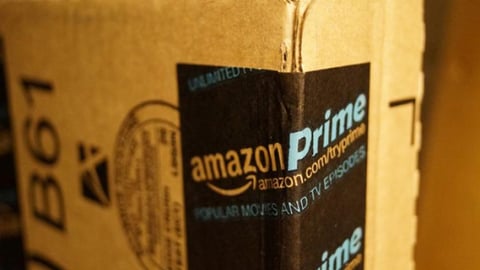
    Half of all American households might have an Amazon Prime membership by the end of this year.

    Cowen and Company analyst John Blackledge estimates that approximately 44% of U.S. households are Prime members, and that  penetration could accelerate to 50% by the end of the year, according to a report by CNBC.   

    Prime has maintained healthy growth largely due to [its] increasing value proposition," Blackledge said. 

  • NRF files lawsuit against new overtime rule

    The National Retail Federation filed suit in U.S. District Court on Wednesday on behalf of the millions of employers and employees who it said will be drastically affected if the Labor Department’s changes to the federal overtime rules go into effect on Dec. 1.   Retailers have argued that the new rule will force employers to reduce hours and base pay in order to make up for increased payroll costs.  
  • Retailers face labor shortages

    The nation’s improving job market has a down side for the retail industry, particularly as the crucial holiday season arrives.   With the U.S. employment rate declining and minimum wages rising, it’s getting more challenging and more expensive for retailers to attract the best workers, reported CNBC.  
X
This ad will auto-close in 10 seconds