Coupons/ Rebates/ Pricing

  • Meijer launches Simply Give fall campaign

    Meijer is kicking off the fall campaign of its signature hunger relief program, Simply Give, across its six-state footprint in an effort to help local food pantry partners restock their shelves.

  • Papa John’s re-ups with NFL

    Papa John’s is the most recognized brand among fans of the National Football League and the chain intends to keep it that way, announcing it had renewed its multiyear deal as the official pizza sponsor of the NFL and the Super Bowl.   In that regard, Papa John’s is permitted to use NFL logos in its advertising and conduct integrated marketing campaigns involving the NFL Kickoff event and the Pro Bowl in addition to the Super Bowl.   
  • Cato records dip in July total sales and comps

    The Cato Corp. reported sales of $61.2 million for the four weeks ended July 30, down 8% from the same period a year ago.     Same-store sales for the month were down 10% from the prior year.   On a quarterly basis, Cato sales for the second quarter fell 5% to $236.7 million, compared to $249.2 million a year ago. Second quarter same-store sales were down 6% from the prior year.  
  • Jo-Ann crafts a mobile cash-back solution geared toward millennials

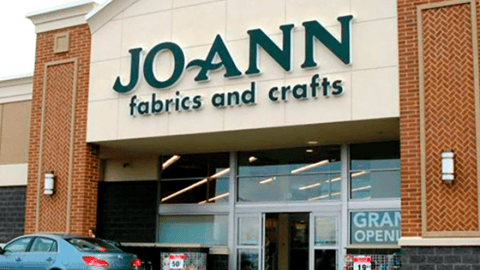
    Jo-Ann Fabric and Crafts’ foray into mobile rebates is part of the 850-store chain’s strategy for reaching millennials. The retailer has partnered mobile shopping app provider Ibotta to offer cash-back rebates on in-store purchases, something Jo-Ann’s feels will build loyalty among the millennial set.   The multi-year partnership will provide users with special offers and cash-back options at any one of Jo-Ann Stores retail locations.  
  • Attention retailers: Affluent shoppers like coupons, too

    Think wealthy folks are averse to using coupons? Think again.   A new study by intelligent media delivery firm Valassis found that coupon use among the affluent is strong despite their six-digit annual incomes.     Consumers collectively saved $3.4 billion by redeeming coupons in 2015, according to NCH data, and affluent shoppers were no exception. Valassis’ research illustrates an opportunity for marketers to reach this group via integrated print and digital promotions.  
  • Survey: Technology needs helping to drive back-to-school spending

    Consumers’ increased confidence in their own financial situation bodes well for back-to-school spending.    At least that’s according to Synchrony Financial’s Back-to-School survey, which found that clothing, shoes and electronics represent the majority of back-to-school spending for most families surveyed and more than a third expect to spend more in both categories this year. Longer supply lists and more technology needs are among the drivers of increased spending.   
  • NRF: back-to-school spending to reach $75.8 billion

    With back-to-school spending on a “stock up” cycle rather than a “make do” cycle, total spending for K-12 and college school supplies is expected to reach $75.8 billion, up from last year’s $68 billion, according to the National Retail Federation’s annual survey conducted by Prosper Insights and Analytics.   
  • Deloitte: Retailers should catch early bird back-to-school shoppers

    Hesitating to offer back-to-school deals could result in significant loss of potential sales.  
  • Appliance wars: A tale of two retailers

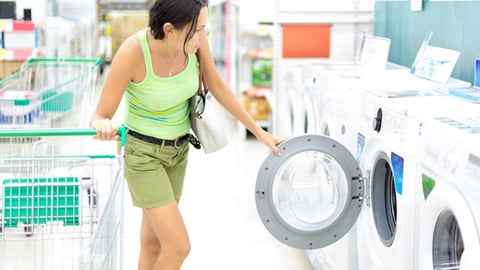
    J.C. Penney and Sears are turning up the heat on one another in the appliance category — and that translates into good news for consumers. Penney began rolling out expanded appliance departments to stores nationwide this past weekend, offering aggressive price cuts and other special deals, Fortune reported.
  • Survey: Back-to-school shoppers will spend more, but wisely

    Parents making back-to-school purchases are willing to open their wallets, if the price is right.   That’s according to a new study from digital savings platform RetailMeNot Inc., "Back-to-School Cheat Sheet: Consumer Trends and Insights for Retailers," back-to-school shoppers plan to spend an average of $273 per child, up from their anticipated spending of $246 in 2015.  
X
This ad will auto-close in 10 seconds