
Why the future of retail still starts in the store
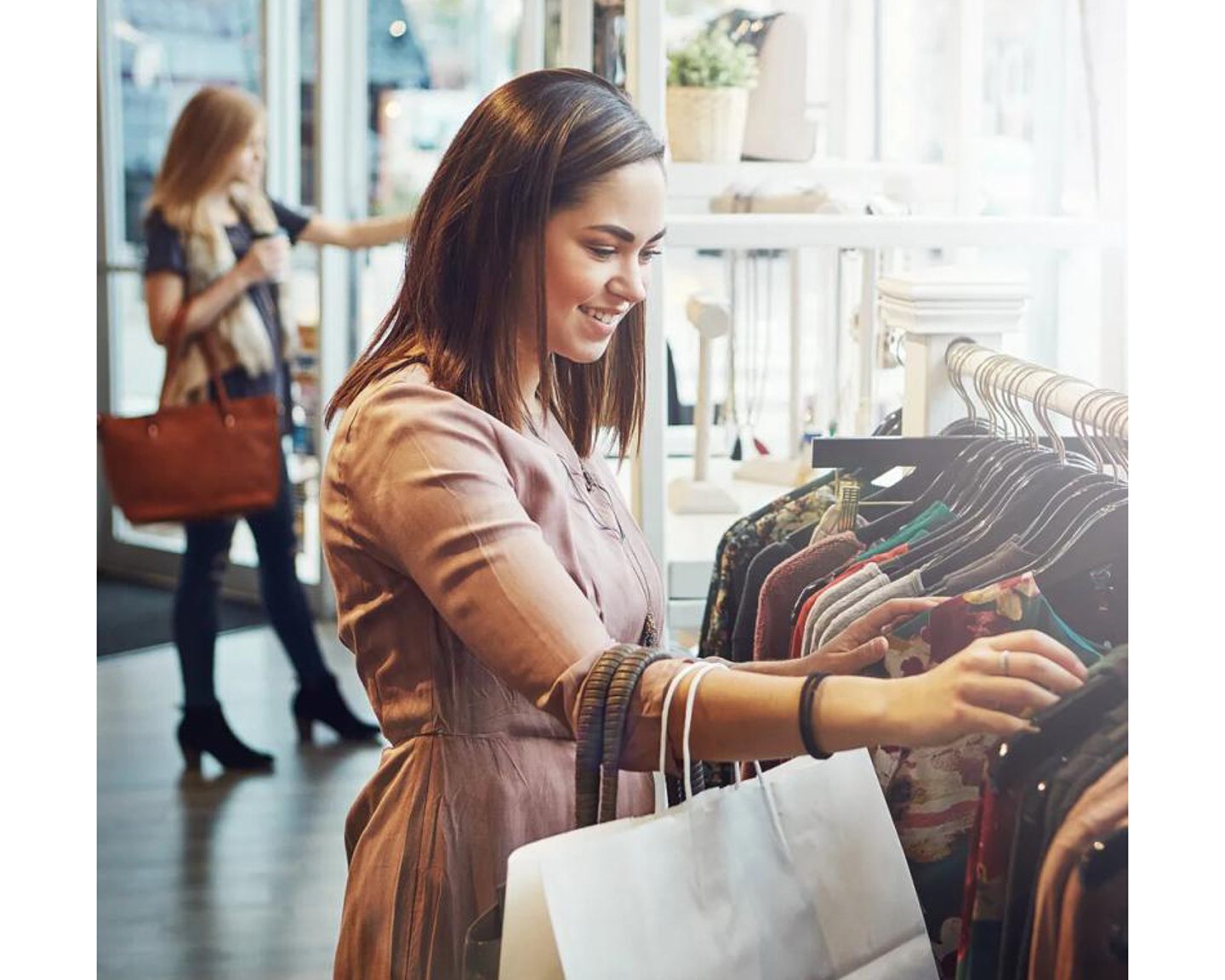
For years, retailers have been told that physical stores are relics, and that e-commerce is the next generation. Survey data from Accruent tells a different story.
Shoppers are not abandoning brick-and-mortar stores, they are asking them to do more. They want experiences that are worth leaving the house for, and it's the retailers who understand this distinction that are rewriting the rules of store layout and design.
Malls are making a comeback
Perhaps the most striking finding is shoppers' desire for the mall format itself. Accruent’s 2025 Retail Survey found that 70% of consumers want to see more traditional malls, and 71% want more lifestyle centers that bring together stores, restaurants and entertainment. This is not just nostalgia, consumers still crave spaces to walk around, browse, try new brands, and spend time with others. These experiences are part of the appeal and should not be designed away.
This distinction is important as consumers want more than just stores. They want shopping experiences that feel intentional and engaging. These malls must be vibrant spaces that incorporate unique dining experiences, local businesses, and spaces that foster community. Thirty-four percent say they would visit malls more often if local shops were featured, while 39% would return more frequently for unique restaurants.
The store experience can make or break customer loyalty
Experiences in the store are just as important. Cleanliness is top of mind for consumers. Accruent’s research shows that 39% of shoppers notice cleanliness before anything else, even store layout or lighting. More than half have left a store that didn't meet their standards, and 42% have walked out because of unpleasant odors. Poor conditions can push consumers away, nearly four out of five consumers (78%) have walked out of a store due to environmental issues.
This can also influence where consumers choose to shop and whether they return. A majority (85%) will bypass a closer grocery store if they know another location is better maintained. Even in convenience stores, where proximity is the usual draw, 64% would travel farther for a cleaner option. Accruent found that 86% of shoppers say a brand’s approach to maintenance shapes whether they will return, and almost half say the level of influence is significant.
Beyond upkeep, shoppers are also drawn to variety within a single trip. More than half (59%) percent of surveyed consumers say store-in-store concepts are effective engagement drivers, similar to Sephora at Kohl's or Apple at Best Buy.
This is a strong signal for retail partnerships, more than half of shoppers are choosing where to go based on curated brands sharing space, not the anchor retailer alone. For any team evaluating how to use square footage, this offers another way to introduce new audiences to a space and make existing space work harder.
Pop-ups might be dying
Consistency matters more than novelty right now. Despite growing visibility online, over half of consumers (54%) say they'd prefer fewer pop-up experiences, a strong signal that shoppers want consistency in their retail environments rather than relying solely on short-term activations. After years of brands leaning on pop-ups to generate buzz, this suggests the format's built-in unpredictability may be working against it rather than for it.
This does not mean negate experiential retail. The enthusiasm for malls and lifestyle centers suggests otherwise. Consumers still want experience; they just also want consistency. The opportunity for retailers is to build lasting, well-designed environments, rather than relying solely on short-term activations.
Leveraging omnichannel strategy
At the same time, brick-and-mortar shopping experiences cannot survive on their own. To thrive, physical and digital shopping must blend seamlessly into one. According to the survey, 61% of shoppers say seamless omnichannel flexibility is important or very important when choosing where to shop, while only 9% say it doesn’t matter —making a hybrid approach a baseline expectation for the modern shopper.
Hybrid shopping is no longer an add-on – it is a standard. Customers expect to move between channels with ease. For retailers, that means designing channels that work together as one single, frictionless journey. Retailers who succeed in this will strengthen loyalty and relevance, while those who fail risk being left behind.
What this means for layout strategy
Taken together, this data points to one clear trend for retailers: shoppers want in-person experiences that feel intentional. This puts pressure on real estate, facilities, and store operations teams to rethink how physical spaces are designed, maintained and used.
The retailers best positioned to capitalize on renewed interest in physical stores will be those that treat the store environment as an important part of the customer experience. Whether through destinations that combine retail with dining and community, store-in-store partnerships that add variety, or spaces that prioritize cleanliness and comfort, the physical store is becoming less about simply making a sale and more about creating an experience worth the trip.
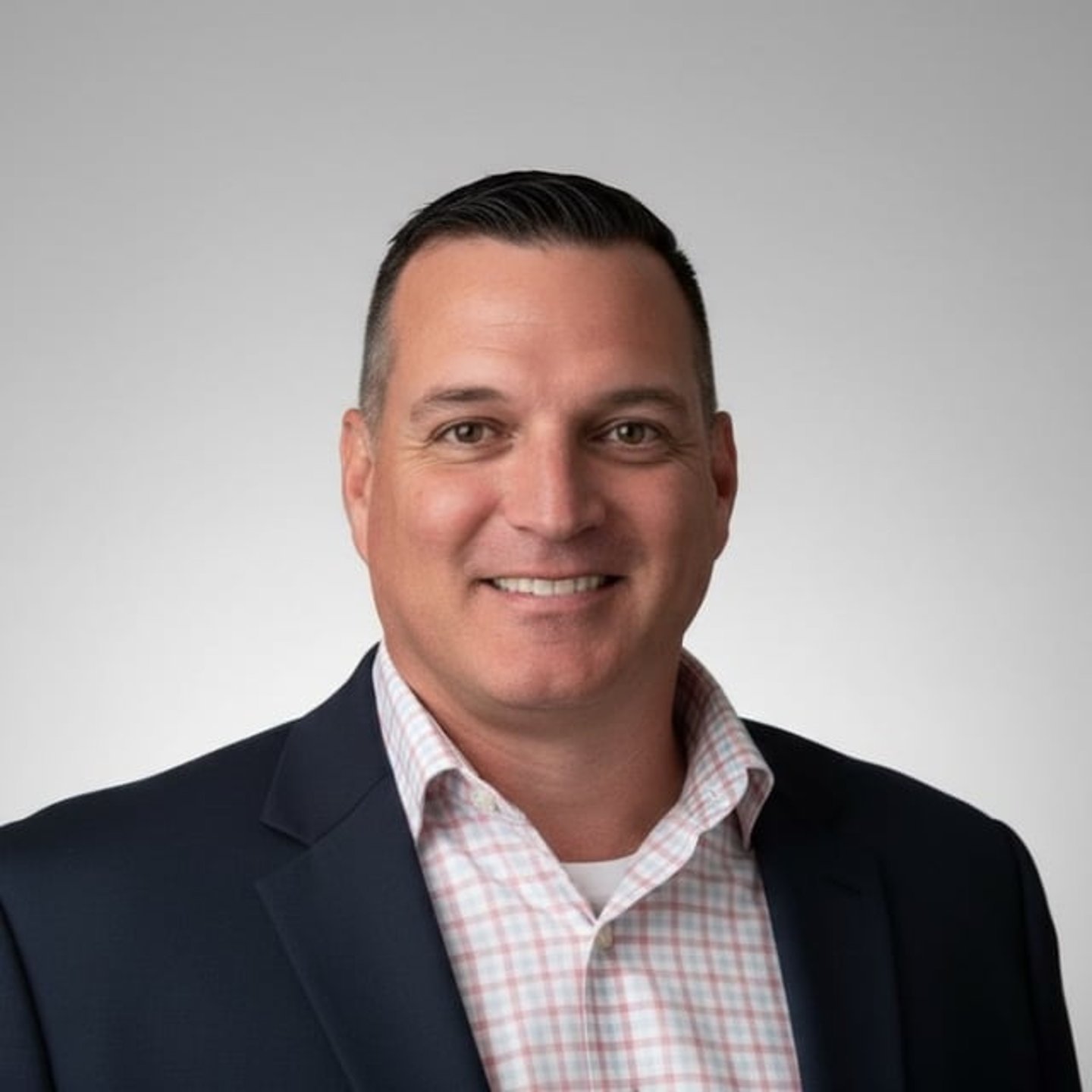
Dave Harrington is global retail solutions architect at Accruent.