
Why Amazon is targeting grocery delivery

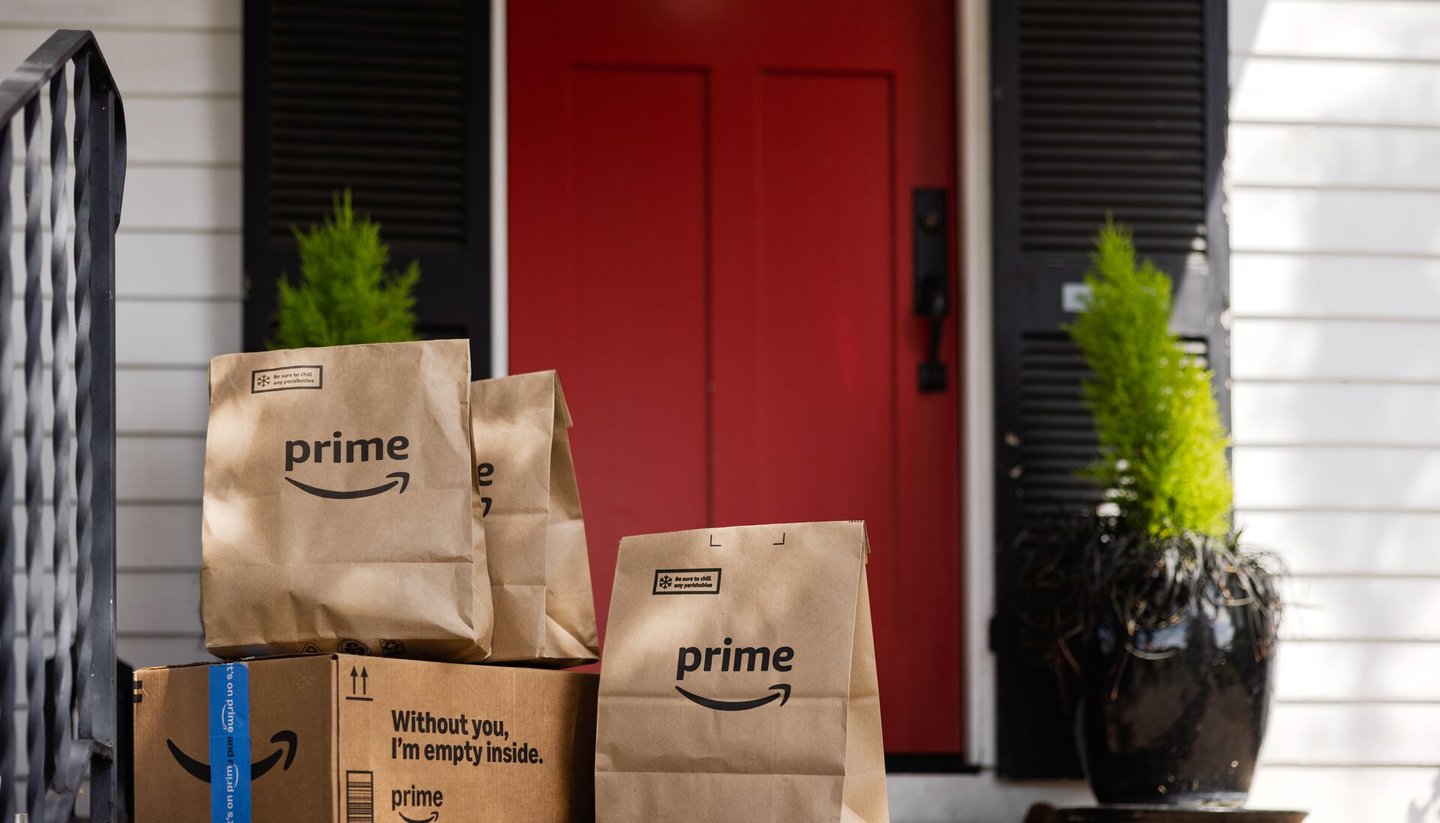
Amazon is setting its sights on digital grocery delivery, and the vertical needs to take notice.
The retail giant recently rolled out same-day delivery of fresh perishable groceries to more than 1,000 cities and towns and plans to expand the initiative to more than 2,300 areas across the U.S. by the end of 2026.
This move followed the launch of a multi-billion dollar effort to offer faster Prime delivery to more than 4,000 rural communities, smaller cities and towns by the end of the year; as well as Amazon CEO Andy Jassy’s declaration to shareholders that the retailer is optimistic about its future in grocery.
[READ MORE: Amazon CEO Andy Jassy says he's ‘very bullish’ on grocery]
Amazon does not operate in a vacuum, nor does it take uncalculated risks. Why is the company focusing so heavily on digital grocery delivery? Here are a few key reasons:
Hot market
Quite simply, digital grocery delivery is booming. U.S. online grocery sales totaled $10 billion for the month of July 2025, a 26% increase over July 2024, according to the latest Brick Meets Click Grocery Shopper Survey, sponsored by Mercatus. June showed similar year-over-year numbers.
While Brick Meets Click tracks all online grocery sales and not just delivery purchases, its data indicates delivery sales drove more than half of online grocery’s monthly gains in July, jumping 36% year-over-year to finish the month with $4.3 billion.
Delivery was also the main driver of the 7% year-over-year increase the survey tracked in online grocery’s overall average order value for the month.
So digital grocery delivery is getting big quickly, which leads to the second reason Amazon is taking such a pronounced interest:
Amazon doesn’t dominate the space
It’s no secret that generally speaking, Amazon is the heavyweight champ of U.S. e-commerce. According to estimates from Upcounting which are based on eMarketer data, Amazon will account for 40.4% of U.S. retail e-commerce sales in 2025, totaling $491.65 billion.
No other company comes close to holding this type of share in the overall e-commerce space. Chief Amazon rival Walmart holds an estimated 6% share of the U.S. online retail market.
However, a look at specific online grocery sales results reveals that while Amazon holds a significant presence, it is not the premier player. eMarketer estimates Amazon holds about 22% of the market, while vertical leader Walmart will hold a 32% share by the end of 2025.
This gives Amazon two reasons to pursue major growth in the online grocery vertical, which will largely come from delivery. In addition to online grocery offering Amazon more potential for sales gains than other verticals where it holds the dominant share, it also holds the prospect of improving its competitive positioning against Walmart by taking share from the discount giant.
Expand value of brick-and-mortar grocery
In recent years, Amazon has pulled back its efforts to open a brick-and-mortar channel in retail niches such as apparel. However, the retailer has been actively expanding its physical infrastructure in the grocery space.
This includes efforts to open new stores in its Whole Foods and Amazon Fresh formats. At the beginning of the year, Jason Buechel, CEO of Whole Foods, took on an expanded role leading Amazon Worldwide Grocery Stores, indicating Amazon is eyeing growth in the segment.
One way Amazon can help ensure the success of its brick-and-mortar grocery growth efforts is to expand the ROI by making physical stores delivery hubs for its digital grocery business. This produces the added benefit of also streamlining the delivery process.