
Tim Cook stepping down at Apple – an era ends, a vision continues

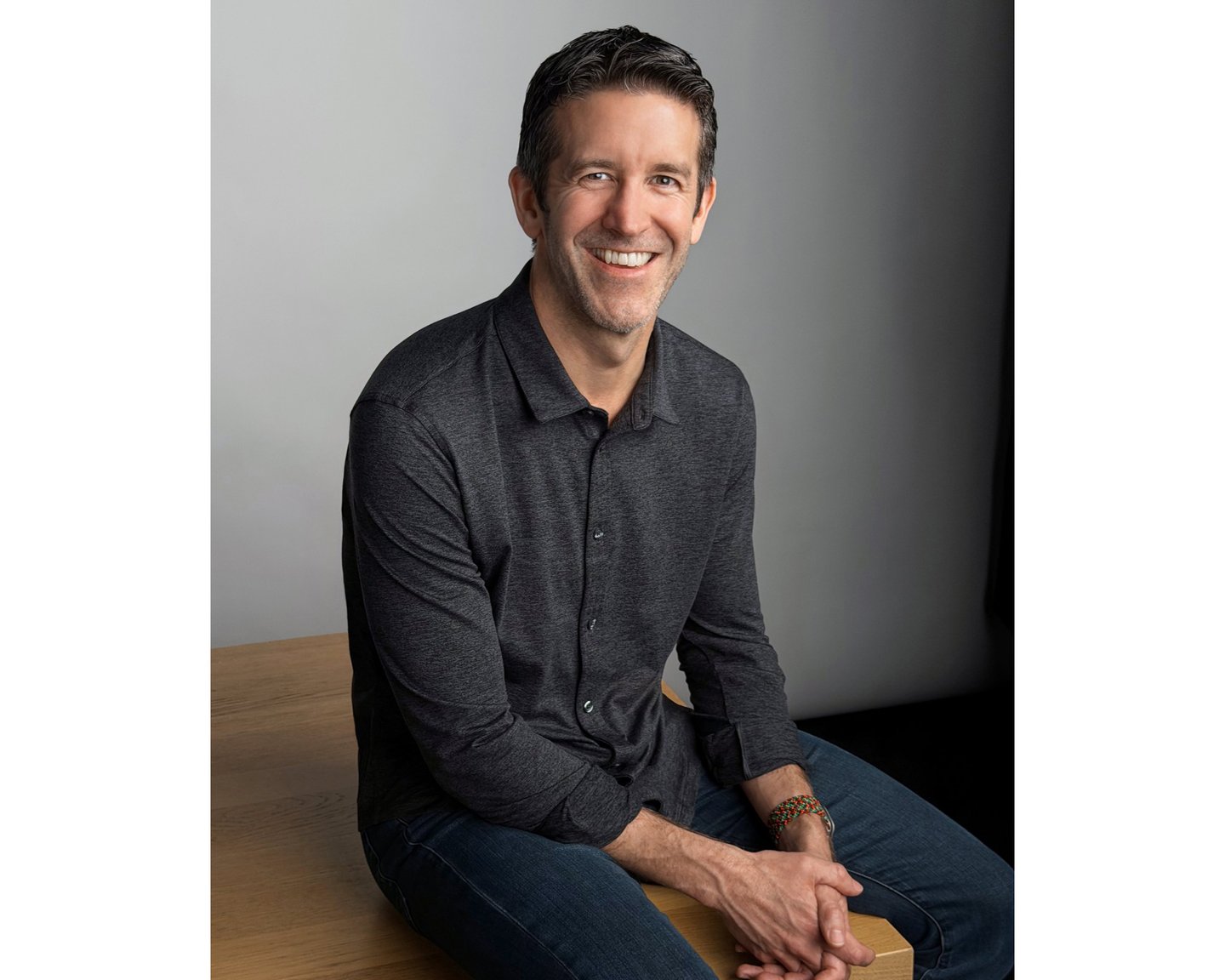
The upcoming C-suite shift at Apple is a big change, but also represents continuity.
Tim Cook, who joined Apple in 1998 and was named CEO in 2011, succeeding Steve Jobs shortly before Jobs’ death, will step down from his current role effective Sept. 1, 2026, and assume the role of executive chairman of Apple’s board.
[READ MORE: Tim Cook to step down as CEO of Apple in September; successor named]
While Cook didn’t capture the public imagination quite the way Jobs did, he was a key figure in the rise of Apple to become one of the world’s most valuable companies. Cook oversaw the introduction of numerous products including Apple Watch, AirPods and Apple Vision Pro; and services ranging from iCloud and Apple Pay to Apple TV and Apple Music.
And under Cook’s leadership, Apple grew from a market capitalization of approximately $350 billion to $4 trillion. Filling his substantial shoes will be John Ternus, Apple senior VP of hardware engineering.
While it remains to be seen how effectively Ternus lives up to his formidable predecessors, Apple is sending clear signals that the end of the Tim Cook era does not herald any radical changes in the company’s technology strategy.
Here are three ways Ternus’s tenure at CEO should maintain “business as usual” at Apple:
Hardware is king
While many other tech companies focus on delivering cloud-based digital experiences that are not reliant on hardware, Apple has always followed a different philosophy. The company has maintained a hardware-focused approach that attaches the functionality its proprietary iOS operating system to its own devices, such as iPads, iPhones and AirPods.
This means Apple’s substantial software innovations have always come tied to hardware, such as the Apple Vision Pro virtual reality headset running on Apple’s visionOS 3D visual operating system. The promotion of a top hardware executive to CEO is a clear signal Apple will not abandon its device-centric development approach.
AI is the future
Apple may be more reliant on hardware than other tech companies, but that doesn’t mean it is ignoring the defining digital technology development of our times. The company unveiled a proprietary AI system called Apple Intelligence in 2024, which it positions as focusing on the needs of individual users.
The platform combines generative AI with what Apple terms "personal context" to deliver "useful and relevant" capabilities. One of the most significant features that sets Apple Intelligence apart from other AI platforms is that it uses on-device processing, and many of the models that support it run entirely on an Apple device.
Apple Intelligence is also designed around natural language capabilities, such as searching for photos and specific moments in video clips with phrases such as "skateboarding in a tie-dye shirt." Ternus has played a major role in developing the hardware infrastructure for Apple Intelligence and as CEO will surely continue pursuing the creation of user-focused, device-centric AI solutions that run on proprietary Apple AI chips and deliver an experience that may not be better or worse than other AI models, but will hit different.
Inside job
Finally, it is no accident that Ternus has been employed by Apple since 2001, during the early part of Steve Jobs’ second stint as CEO and has only held one other full-time position at a technology company since graduating from the University of Pennsylvania in 1997.
Ternus is fully entrenched in Apple’s integrated hardware-software development approach. If Apple were seeking to significantly alter that vision, it would have promoted someone with a more diverse professional background or even looked outside the company.
But Apple made its CEO succession plan an inside job and based on the company’s track record this century, that probably isn’t such a bad idea.