Survey: High prices leading to dip in brand sentiment

Rising prices are changing consumers’ perception of brands.
More than two-thirds (67%) say higher prices have changed how they feel about brands they once liked, with more than half (56%) saying they've stopped buying from them, according to a new survey from Omnisend. Another 22% say they trust those brands less.
The survey also found that a large majority of consumers (85%) believe brands and retailers often use inflation as an excuse to raise prices more than necessary.
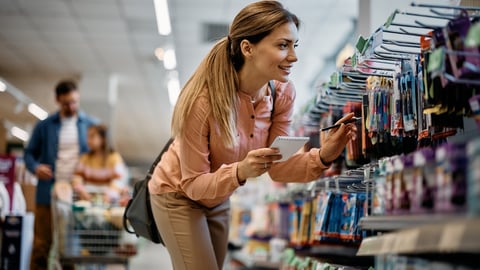
Groceries are the most common category for consumers to notice price increases, with 30% calling it the everyday expense that feels most "out of control." Two-thirds (65%) of those surveyed say groceries are where "shrinkflation" is the most obvious. More than a quarter (29%) consider this type of price increase to be the most unfair, while 59% notice instances of it regularly.
Omnisend found that there were some reasons consumers would be willing to pay more for products. Better product quality led the way at 19%, followed by higher wages for workers (16%) and rising ingredient or material costs (15%).
[READ MORE: Survey: Finding bargains 'essential' to consumers' household budgets]
In response to rising prices, Omnisend found that 30% of respondents have used credit to pay for essentials such as groceries, gas, utilities, rent, or medical bills in the past three months. Other tactics include borrowing money from friends or family (20%), using buy now, pay later options (18%) and using savings that were meant for something else (17%).
"Consumers understand that costs change, but they want those changes to make sense,” said Marty Bauer, e-commerce expert at Omnisend. “Clear communication about why prices are rising, whether it's better products, higher wages or more expensive materials, goes much further than simply asking shoppers to pay more. Transparency has become part of the value consumers expect from brands.”
Conducted by Cint in June 2026, Omnisend’s survey included a total of 1,075 U.S. consumers.