EXCLUSIVE: GLP-1 users are switching to these apparel retailers

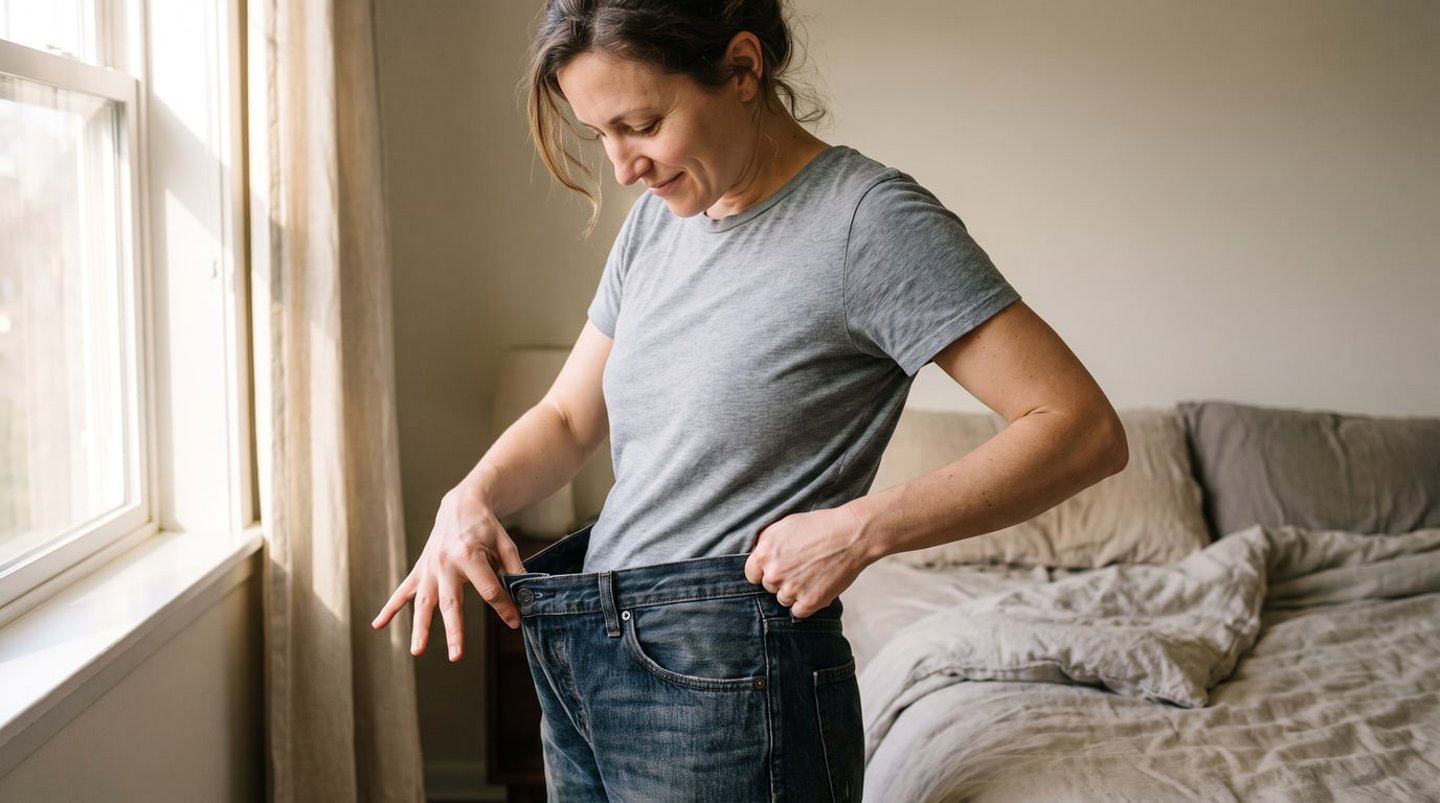
Consumers losing weight with the help of prescription drugs show favoritism toward a few key retailers when it comes to buying clothing.
Results of a survey of GLP-1 weight loss medication users exclusively released to Chain Store Age by telehealth provider Trimi indicate that 55% of respondents. have started buying from brands they never shopped before treatment. Old Navy (10%), American Eagle (10%), and Amazon (9%) are the top new brands respondents have adopted since starting treatment.
Looking at apparel retailers that respondents visited less after starting treatment, the survey found plus-size retailers took the biggest hit, with Lane Bryant falling from 18% to 5% of shoppers and Torrid from 17% to 6%, the two steepest drops out of all brands.
Meanwhile, Free People was the biggest gainer among the brands measured (meaning respondents had previously shopped there), doubling its share of respondents from 5% to 10%. Overall, 27% of respondents traded up to a contemporary, premium, or athleisure brand they had never shopped before. In addition, 41% of respondents purchased second-hand clothing while losing weight.
[READ MORE: GLP-1 use drives changes in consumers’ purchasing decisions — here’s how]
Looking at what apparel categories were disrupted among the highest percentage of respondents, the survey found:
- Jeans & denim (90%).
- Workwear (77%).
- Occasionwear (76%).
- Activewear (76%).
- Swimwear (76%).
- Bras & undergarments (73%).
- Shapewear (61%).
Respondents were also asked what methods they used to dispose of old clothing that had become too big for them:
- Donated (69%).
- Stored just in case (54%).
- Threw away or discarded (54%).
- Resold on resale platform (28%).
Other findings
- Four-in-five respondents are living in clothes that no longer fit, waiting an average of six months after weight loss before buying anything new.
- Respondents have spent an average of $328 rebuilding their wardrone since starting GLP-1 treatment.
- Six-in-10 (62%) respondents say they can now fit into stores they once avoided or felt shut out of.
Trimi surveyed 737 U.S. adults who currently use, previously used, or are on a maintenance dose of a GLP-1 medication. The survey was fielded online in June 2026 via CloudResearch Connect and Prolific, and respondents were screened to confirm GLP-1 use.
Numerator: GLP-1 usage doubles
Research into consumer GLP-1 adoption and habits from Numerator 22% of U.S. households now have a current GLP-1 user—double the adoption rate since October 2023—and, for the first time, weight-loss-only usage of the medication now exceeds diabetes usage.
Numerator data also reveals the following trends among GLP-1 users:
- GLP-1 users now account for more than $660 billion in consumer spending across CPG, general merchandise, and quick-service restaurants.
- Compared with similar households not using GLP-1 medications after one year, grocery spending among users was down 3.8%.
- As treatment continues, GLP-1 consumers shift away from pantry staples and carb-centric items such as pasta and bakery items toward fresh protein, seafood, functional nutrition, and more intentional snacking.
- Four in 10 (41%) surveyed GLP-1 users say they are more intentional when ordering. Purchase data from GLP-1 users shows that items per QSR trip declined 3.7% year-over-year and protein-forward meals and smaller snacks are gaining relevance over fried foods and side-heavy bundles.
- For users who began taking GLP-1 drugs in 2025, users show cumulative spending that is 33% higher on fragrance, 14% higher on skincare, and 21% higher on immunity supplements six months after starting the drugs.
- Another 23% of surveyed consumers say they would consider taking a GLP-1 medication, signaling continued growth ahead. However, nearly two-thirds of former GLP-1 users discontinue treatment within six months, which Numerator advises means the current GLP-1 user market is still largely shaped by recent adopters.
Numerator has tracked GLP-1 usage since 2023, with more than 95,000 responses collected in its latest survey wave, and pairs those insights with verified longitudinal purchase behavior from the Numerator Total Commerce panel of 200,000 shoppers across more than 44,000 retailers.