Survey: Authentic brand participation in Pride Month remains important for consumers

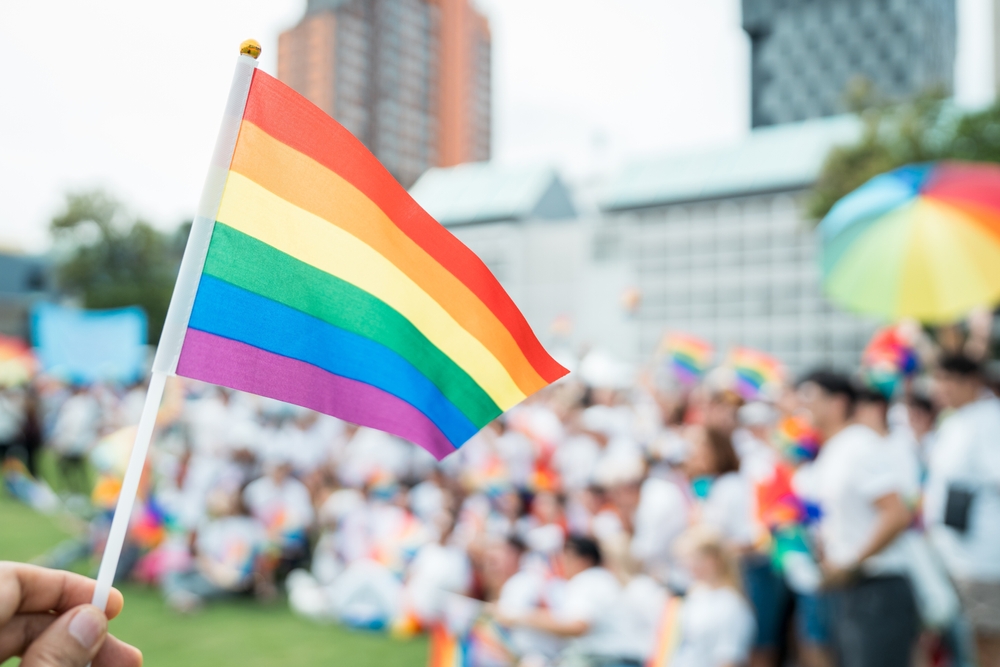
Pride Month engagement from brands and retailers may be declining – but it still matters to a large portion of consumers.
Between 48% and 57% of consumers across the United States, United Kingdom, Canada and Australia say that brand participation in LGBTQ Pride Month is important to them, according to a new survey from Omnisend. The trend is most pronounced among Gen Z (69-75%), millennials (66-78%) and LGBTQ+ community members (76-85%).
Support for brand participation slightly varies by country, with 48% of Americans, 51% of Brits, 56% of Canadians and 57% of Australians noting that it’s important to them that brands participate in Pride Month. Between 11% and 14% across the four countries say it’s "extremely" important.
[READ MORE: Here’s what drives brand discovery for consumers]
Roughly a third (32% to 37%) of respondents expect brands to participate in Pride Month, while about four-in-10 (39-46%) say that brands shouldn’t participate if they don’t “genuinely” support LGBTQ+ rights.
A sizable portion of consumers say that in recent years, they’ve noticed brands scaling back Pride Month participation. According to Gravity Research’s 2025 Pride Pulse Poll, 39% of companies reduced overall Pride Month engagement in 2025, up from just 9% in 2024 – a fourfold increase year over year.
“Consumers are paying much closer attention to whether brands stick to the values they talk about,” says Marty Bauer, e-commerce expert at Omnisend. “That applies to Pride campaigns, but also to sustainability, social issues, and company culture in general. Topics tied to identity tend to draw even more attention because people often take them personally.”
Omnisend’s survey noted that year-round support (25-32%), donations tied to LGBTQ+ organizations (17-22%) and public advocacy (15-20%) are the best indicators of genuine care for the community’s issues, according to consumers.
Behaviors such as changing logos to rainbow colors for a month (25-32%), selling Pride-themed products without any charitable donations (24-29%) and overall participation only when profitable or politically safe (27-31%) are considered most inauthentic.
“What retailers can take away from this data isn’t limited to Pride Month,” added Bauer. “Consumers are getting better at spotting when a marketing campaign is disconnected from how a company actually operates. People don’t expect every brand to make bold political statements, but what they do expect is that messaging and company behavior feel real rather than reactive.”
Marketing automation platform Omnisend’s survey was conducted by Cint in March 2026. A total of 1,370 respondents in the U.S., 1,084 in the U.K., 1,029 in Canada and 1,028 in Australia took part in the survey.