
Shein agrees to settle FTC deceptive practices complaint for $100M

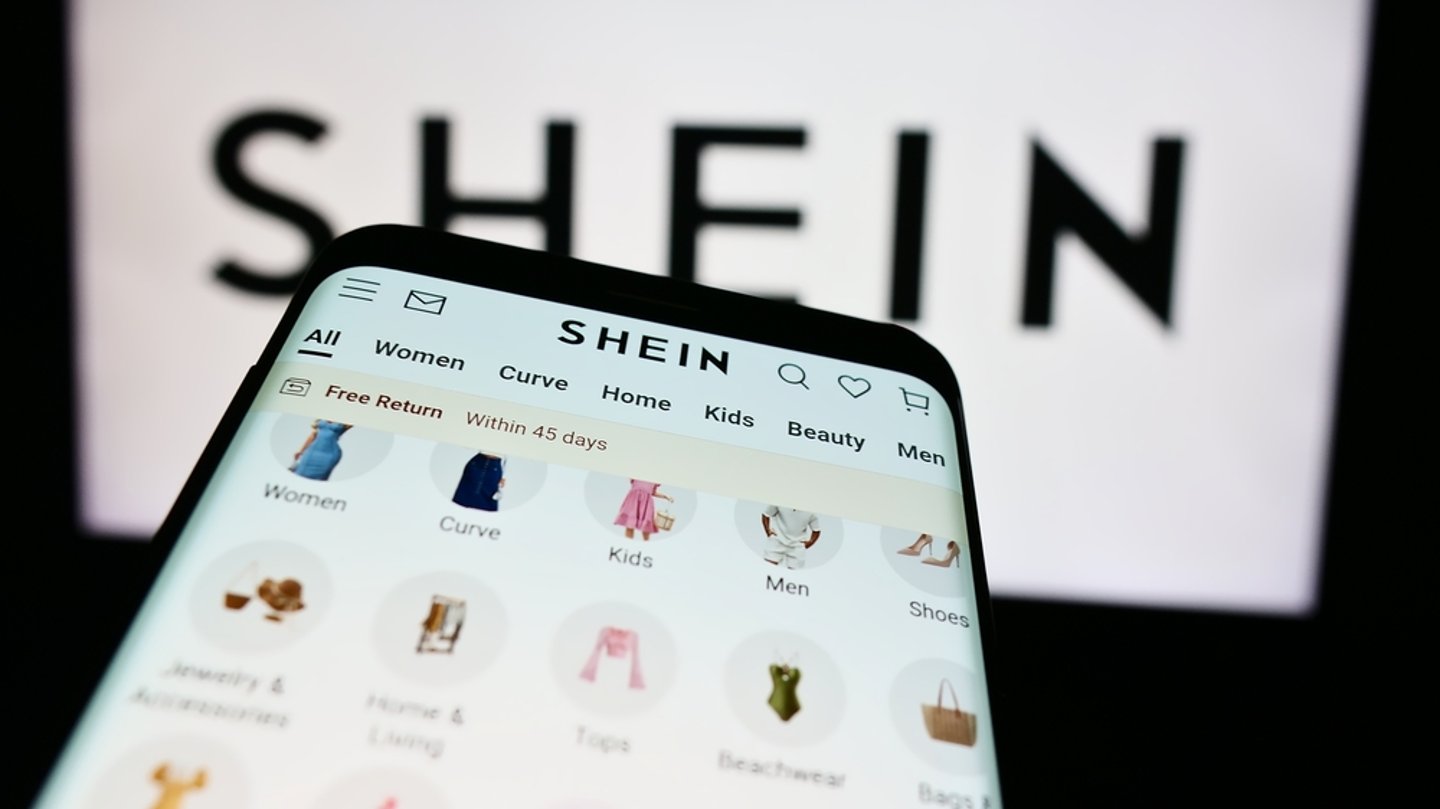
Shein will pay $100 million in consumer redress in response to Federal Trade Commission allegations it misled consumers in a number of areas, without admitting liability.
The agreement to pay $100 million comes after the FTC accused Shein, a Chinese-founded and Singapore-based global on-demand fashion app, of violating Section 5 of the FTC Act, the Mail, Internet, or Telephone Order Merchandise Rule, and the Rule on the Use of Consumer Reviews and Testimonials.
Specifically, the FTC alleges Shein engaged in the following practices that deceived U.S. consumers:
Shipping and customer service
The complaint alleges that Shein marketed “fast, transparent and reliable shipping,” but tens of thousands of consumers reported that their orders arrived days, weeks or months late, while some consumers never received their orders at all.
The FTC also claims that Shein did not provide consumers with adequate shipping updates, including legally required delay notices, and consumers were unable to reach customer service to inquire about late or missing orders. Although Shein ships nearly 1 million packages to the U.S. each day, yet, as of September 2025, the FTC says it employed only five customer service agents to handle telephone inquiries from U.S. consumers and failed to provide a phone number for those agents on its website, often leaving consumer requests unanswered.
Customer reviews
The FTC also alleges that Shein systematically prevented reviews from being displayed on its website in violation of the law, publishing positive reviews while suppressing or deleting reviews from customers who criticized or returned its products.
[READ MORE: Walmart joins cotton sustainability initiative]
Cotton sourcing
Shein’s representations about the country of origin for cotton used in its products are also deceptive, according to the FTC complaint. For example, cotton that Shein represented as U.S.-grown was found by the FTC to originate from China, and cotton used in at least some of its products could not be traced to any country of origin at all.
Product claims
The FTC complaint further alleges that Shein made unsupported claims regarding its evoluSHEIN line of products. Although the company marketed evoluSHEIN products as sourced from suppliers with above-average ratings in social-compliance audits designed to protect against child and forced labor, the FTC alleges that Shein failed to provide a single audit that supported those claims.
Settlement
Under the proposed order, Shein will pay $100 million to the FTC, which will be used to provide redress to consumers harmed by the company’s unlawful actions. The company will also be prohibited from misrepresenting shipping and delivery times, suppressing negative product reviews, refusing to provide adequate customer service and making deceptive claims about supplier and manufacturer audits or product traceability.
“Shein attracted consumers with promises of affordable clothing, fast delivery and use of suppliers that earned above-average ratings on standards related to child and forced labor, among other representations,” said Christopher Mufarrige, director of the FTC’s Bureau of Consumer Protection. “In reality, the company misled millions of consumers about its products, its suppliers and the authenticity of its customer reviews. SHEIN further compounded consumer harm by making it extraordinarily difficult to obtain customer service.”
Shein response
In emailed commentary to Chain Store Age, a Shein spokesperson said the settlement does not mean the company completely agrees with the FTC's allegations.
“Shein has reached an agreement with the Federal Trade Commission to resolve its long-running investigation into certain historical business practices," the Shein spokesperson said in the email. "The agreement does not constitute an admission of liability, and we continue to disagree with aspects of the FTC’s characterization of our business and compliance practices."
The spokesperson also said Shein has "continued to make significant investments in strengthening its consumer practices and compliance efforts."
"We believe resolving this matter is in the best interests of our customers, employees and business," said the spokesperson. "Under the agreement, we will implement additional measures that build upon these ongoing efforts and continue to innovate to serve our customers around the globe.”
The Commission vote authorizing the staff to file the complaint and stipulated final order was 2-0. The FTC filed the complaint and stipulated final order in the U.S. District Court for the Central District of California. Stipulated final orders have the force of law when approved and signed by the District Court judge.