
Retail’s Shifting Labor Landscape: What’s happening on the staffing front lines

The retail sector has always been about movement, with new stores opening, existing ones being reset or remodeled, and shelves constantly changing with the seasons and consumer trends.
Behind the scenes, thousands of workers make these transitions happen. Currently, the way retailers source, manage, and retain workers is evolving faster than ever.
Throughout my career in staffing, I’ve developed a unique vantage point on these changes, leading teams supporting national retailers across the country with workforce solutions for resets, merchandising and new store setup.
Over the past year, retailer demand for these specific staffing and recruiting services has increased, driven particularly by those expanding or remodeling in high-growth markets like Texas and Florida. These projects don’t just create local jobs, but reveal how retailers are rethinking labor as part of their broader operations strategy.
Acceleration of Experimentation in Staffing Models
One trend to closely watch is the diversification of staffing models. Several national retailers are experimenting with new approaches, including converting some W-2 roles to 1099 contractor arrangements or supplementing their workforce through international programs such as the J-1 visa. These moves are often driven by labor shortages, cost pressures, and the need for flexibility in scheduling and deployment.
But while these approaches can provide short-term relief, they also add complexity, particularly in compliance, worker verification and consistency of performance, which points to why more retail suppliers and service partners (the companies that support large retailers in merchandising, logistics and store setup) seek structured workforce partnerships. They need reliable staffing support that can scale with projects, while meeting stringent verification and compliance standards.
Balancing Flexibility with Accountability
A balanced approach that combines flexibility with proper vetting and structure produces the best long-term outcomes. Retailers and their partners want adaptable staffing models, but they also want assurance that every worker on the floor is properly documented, trained and ready to work safely.
In the past year’s atmosphere of increased scrutiny, providing a fully E-Verified workforce at scale helps bridge that gap between agility and accountability.
Gen Z and the “Handshake” Skills Gap
For Gen Z workers entering the retail industry, whether they’re working the checkout counter or helping build new stores on the construction side, employers say the biggest gap isn’t technical ability, it’s “handshake” skills. Across industries, hiring managers are passing on Gen Z candidates in favor of more seasoned workers who can show up on time, problem-solve and communicate confidently from day one.
Both retailers and the construction companies that support them are looking for employees who don’t just put on the hard hat or uniform, but who demonstrate ownership and initiative. This underscores the need for a balanced approach to workforce development: one that prioritizes both technical training and soft-skill readiness to meet evolving staffing needs.
Beyond the Store
Another trend worth noting is how staffing needs are expanding beyond the store environment. Many retailers now view workforce strategy as a connected ecosystem linking store-level operations with distribution, logistics, and fulfillment centers.
As e-commerce continues to influence store formats and inventory management, those connections are becoming even more critical. Across the country, there’s growing interest in staffing solutions that can support that entire chain, from product arrival to shelf placement.
What’s clear is that retail’s workforce challenges are not purely about headcount, they’re about adaptability and alignment. The companies finding the most success are those approaching staffing as a strategic function rather than a tactical fix. Whether through direct hiring, flexible staffing partnerships, or a mix of both, the goal is the same: a dependable, motivated workforce that can adjust to the industry’s pace of change.
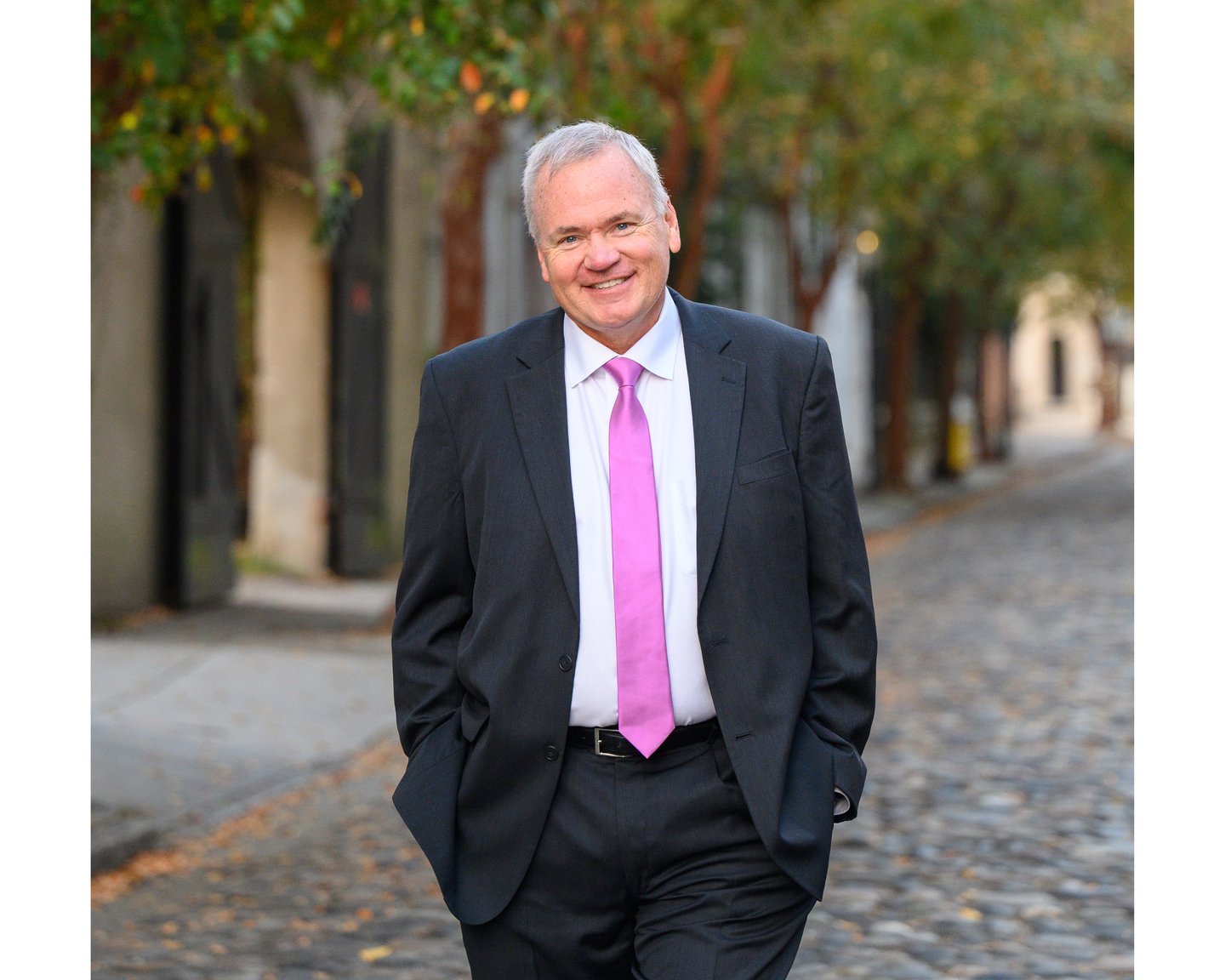
Rick Hermanns is CEO of HireQuest.