Q&A: Tanger CEO talks back-to-school traffic, value of in-demand tenants

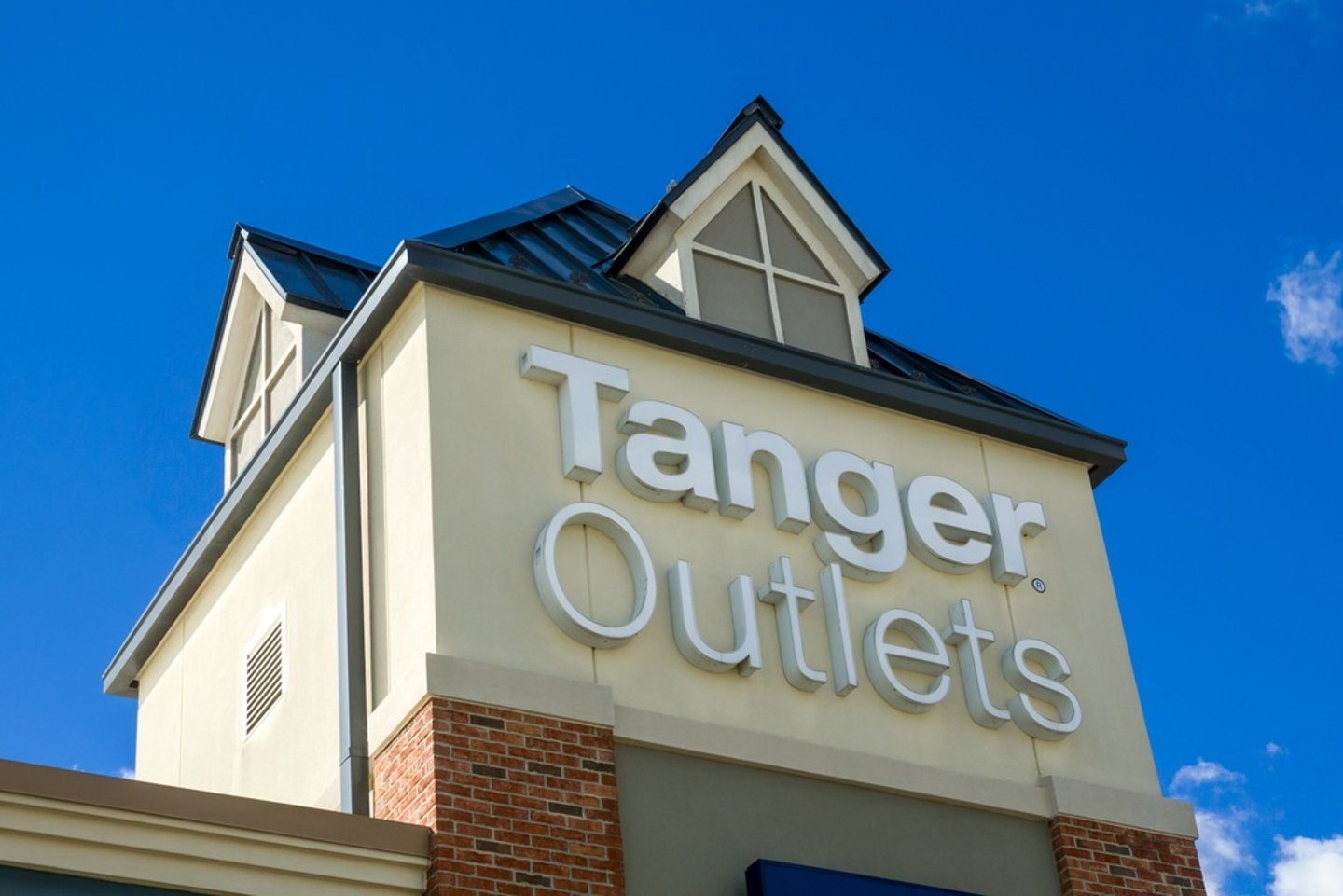
Back-to-school shopping marks one of the biggest retail events of the year, with shopping centers competing for repeat foot traffic.
Chain Store Age recently spoke with Tanger Inc. CEO Stephen Yalof about consumers’ back-to-school shopping habits, the company’s marketing efforts, what to expect in the coming months as holiday shopping begins and more.
What were the initial takeaways from the back-to-school season at Tanger properties?
One of the things we like to say at Tanger is that Tanger is the destination for back-to-school. Outlet shopping is famous for offering top brands on sale every day. That is what customers, particularly the younger generation who has figured out how to come back to the shopping center, are looking for.
We've seen two distinct customers in the back-to-school cohort: the younger customer from kindergarten to 12th grade, and the college-bound customer. Both are very important. The National Retail Federation noted that households with the younger cohort spent about $850 to $900 on back-to-school this year. For college back-to-school, it was closer to $1,500.
About a third of that spending for each group goes toward electronics. I raise that because we have Apple in a lot of our full-price shopping centers, and it is an important traffic driver and destination for back-to-school electronics for a lot of these kids.
Do you have any data on how outlets performed versus full-price centers?
We've seen the traffic numbers, and reporting on our sales performance shows we are up. Our sales per square foot are up 5% to 6% on a rolling basis, so our sales seem to be holding up relatively strong. I think it speaks to the fact that the consumer is definitely still spending, I just find that they're far more intentional. That intentional consumer is definitely shopping value.
I still think there are signs of a K-shaped economy. The top of the K is a little bit more price inelastic, but the bottom of the K is looking for value. They're going to spend, but they're going to be a little bit more intentional, and they are definitely going to spend at our value centers.
That back-to-school shopper was a huge part of our promotion over the summer. We start back-to-school early – as early as June 1. We consider back-to-school to be the second-biggest shopping holiday of the year, second only to the Christmas selling season at the end of the year. That has definitely played out this year, and we think this will be the best back-to-school season we've experienced in years.
Was there a difference in consumer spending habits compared to last year, or did it remain steady?
You would have anticipated sharper headwinds based on rising interest rates, rising inflation and more expensive gas prices, but we have been pleasantly surprised with our traffic numbers. A lot of our retailers have been very promotional over the course of the summer, and that promotional activity definitely stimulates purchasing activity.
Regarding those promotions, is that something Tanger collaborates on with the tenants, or do they handle it on their own?
It's both. We have a loyalty program with 12 million people in the TangerClub whom we message regularly. If you're in Tanger loyalty, we reward you with additional discounts on top of discounts.
One unique dynamic about the outlet business compared to other retail is that retailers don't spend a lot of their own marketing dollars to tell customers to shop off-price. They save that budget to encourage full-price shopping, so they rely heavily on the owner of the shopping center to do that marketing for them.
Twenty years ago, brands never let you use their names in advertising. That dynamic has changed over the last five to 10 years, and brands are now willing to let us market them as the destination retailers in that center. More importantly, through that relationship, we are able to use our messaging muscle with our large Tanger Club base to deliver bespoke messaging for brands. For example, I can announce that Nike is offering 20% off this month. The quid pro quo is that we can give an extra discount to reward our loyalty members.
A lot of these brands also view promotional activity as a gift with purchase when they take space in our centers. There's a contribution that all brands make toward our marketing fund. If a brand like Michael Kors wants to be the destination for Mother's Day, we sell them external or on-site advertising space across our entire portfolio outside the four walls of their store. That is a huge revenue opportunity for us and a great market stimulator for the brands themselves.
The in-store experience is still crucial for shoppers. In what ways did Tanger meet this need for back-to-school, and how does that approach inform your promotional efforts?
We rely on the best brands in the business because they know they have to do something different inside the four walls of their store, or they won't get that customer to come in or get repeat business. If you look at the best brands out there, they've mastered that.
Our responsibility is to make sure those are the brands we are pursuing for our centers. For brands that aren't investing in their store experience, store appearance or new product lines, we have the courage to say, "Thanks, it's been nice, but we're going to repurpose your space."
[READ MORE: The 'third place' race: How new tenants, green spaces and more are elevating retail centers]
We can do that in this environment because space is at a premium right now. There is very little new development happening across the country. Because of that scarcity of space, we are replacing poorer-performing retailers with better-performing ones. That gives us an opportunity to drive more revenue for shareholders and curate better brands. If a retailer isn't going to invest in their store, we aren't going to renew their lease.
What sectors are these new, more experiential tenants found in?
It's across the board. Aritzia is a great brand doing an amazing job in-store. They are an apparel retailer expanding in the U.S. in a big way, and they are one of the most important brands right now for both B2B and B2C. From a B2B perspective, the first question most retailers ask when we offer them space is, "Who else do you have? Do you have Aritzia? Do you have Apple? Do you have Alo? Do you have Sephora?"
Those are the brands doing a great job. Sephora is a non-apparel company, and they are important because their customer demographic is so wide. You have kids as young as five years old buying skincare products. When you bring in a brand that draws that range of customers, it puts more cars in the parking lot, which benefits all retailers across the center's portfolio.
Building on what you saw during back-to-school, especially with the value-conscious consumer, how will that inform your shift toward the holiday season? What takeaways from back-to-school might you apply in the coming months?
Several years ago, holiday shopping started in November, usually kicking off on Black Friday. Coming off of COVID, when product was scarce and shipments were delayed, we pulled holiday shopping earlier and earlier. Consumers learned they had to shop early to get what they wanted, especially in the value channel, due to fear that inventory wouldn't be replenished in the back half of the season.
We essentially trained the consumer to shop early for the holidays. On Nov. 1, Halloween decor comes down and Christmas decorations go up. We use that same mentality of getting shoppers in early, because if they start in November, you might get two visits in November and two in December, driving multiple visits.
We used that same holiday mentality for back-to-school. Back-to-school typically happened in late July or early August. Now, schools go back as early as the first or second week of August. We pushed back-to-school to become a June, July and August initiative right on the heels of our summer promotions.
Regarding your core question, I see a resilient customer out there. People love to shop. The quality and functionality of products are much better. People accumulate items per activity now – they don't just own one pair of sneakers. We are very optimistic about the Christmas selling season, especially in our value space.
Positioning entertainment, theaters, restaurants and group fitness in our centers has driven customers back so they can come for group fitness and stay for shopping, or come to a restaurant and stay for shopping. That flywheel effect has occurred, and going into the holiday season, we expect to be a primary destination.