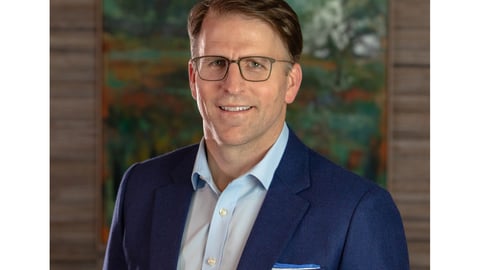
Q&A: Steiner + Associates' Spencer Jordan on retail's evolving site selection strategy


With retail availability remaining at low levels, brands in growth mode are becoming more diligent about where they open new locations.
Chain Store Age recently spoke with Spencer Jordan, senior VP of leasing at Steiner & Associates, to learn more about how retailers' site selection strategies have shifted in recent years, and what attributes they are looking for in a market or retail center.
How have retailers’ site selection priorities evolved over the past decade?
The conversation has shifted from locating available space to finding the right ecosystem. Retailers are looking at customer quality, visit frequency, sales productivity, merchandising mix and whether a center creates an experience that customers actively choose rather than simply visit out of convenience.
As digital channels have taken over transactional shopping, physical stores have become brand-building platforms. Every location has to justify itself by elevating the customer experience and generating long-term value.
How much importance do brands place on neighboring tenants and the overall ecosystem when evaluating locations?
It’s become one of the most important considerations. The best retailers understand that they don’t operate in isolation. They’re evaluating who’s next door, who anchors the district, what restaurants are drawing traffic, what residential and office density surrounds the project and even the overall brand perception of the destination.
At Easton Town Center, we’ve seen firsthand that strong merchandising creates a flywheel. When you add brands that resonate with the same customer, everyone benefits through longer dwell times, cross-shopping and stronger sales productivity. That’s why the ecosystem matters just as much as the individual space.
How are co-tenancy and brand adjacency influencing leasing and expansion decisions today?
Brand adjacency has become a strategic growth tool. Retailers increasingly want to be surrounded by complementary brands because they know customers shop by lifestyle rather than by category. Luxury customers expect to find other luxury brands nearby.
Performance apparel performs better when it’s part of a broader wellness and active lifestyle district. Restaurants benefit from fashion traffic, and fashion benefits from food and entertainment that extend dwell time. It’s less about formal co-tenancy clauses than it is about confidence in the long-term merchandising strategy. Retailers want to know that ownership is committed to continuously curating the environment, not just filling vacancies.
What factors are making secondary markets attractive to brands that previously focused on larger cities?
Many secondary markets today don’t behave like secondary markets. Population growth, higher household incomes, corporate investment and changing migration patterns have created markets with tremendous purchasing power but far less competition than gateway cities. Brands are also becoming much more data-driven. Instead of opening stores based solely on market size, they’re looking at where their customers actually live, work and spend.
[READ MORE: JLL: Retail investors plan more acquisitions than sales for 2026]
Columbus, Ohio, is a great example. With our focus on tech, expanding health care, higher education, finance and a growing affluent population, brands recognize they can achieve productivity without the costs or complexity of markets like New York or Los Angeles.
Ultimately, retailers are following the customer, not a city’s ranking.
What does the growing focus on ecosystem fit mean for the future of retail leasing and merchandising?
I think it elevates the role of leasing from transaction management to strategic curation. The most successful owners won’t be the ones who simply lease space quickly. They’ll be the ones who build destinations where every tenant strengthens the overall customer experience. That requires a long-term merchandising vision, disciplined leasing and an understanding of how brands complement one another.
Going forward, I think we’ll continue to see retailers prioritize quality over quantity. Brands are opening fewer stores, but they’re investing more heavily in the locations that reinforce their identity and operate within the right ecosystem.
For landlords, that means every leasing decision has to contribute to the health of the entire project, not just the economics of a single deal. That’s where the greatest value is created over time.