Q&A: Identity's Mark Winter talks role of community relations in retail development planning
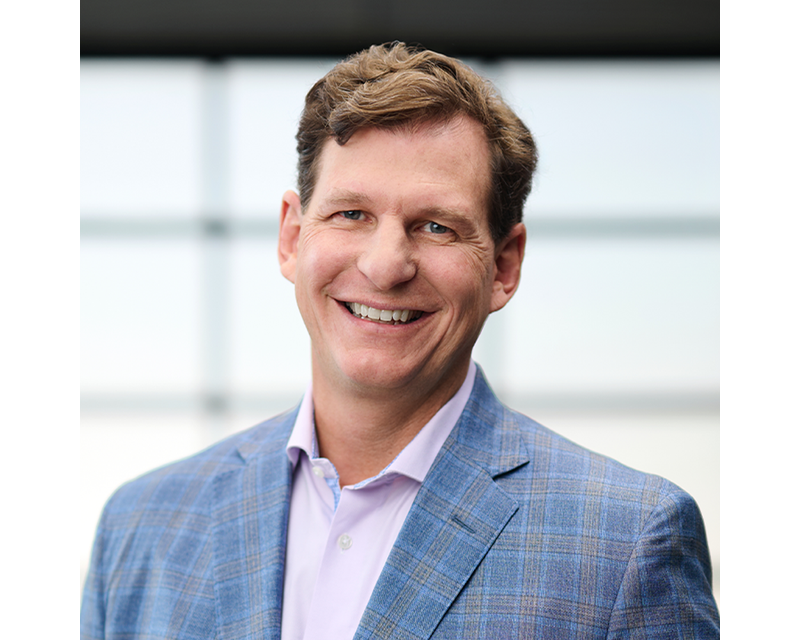
Large-scale retail development projects often require strong community support, which can sometimes be difficult to obtain.
Ahead of the upcoming ICSC Las Vegas show, Chain Store Age spoke with Mark Winter, president and founding partner of public relations firm Identity, about how commercial real estate firms can better prepare to persuade residents and municipalities alike to both support new developments and build trust for future projects.
What makes community relations so essential during the earliest phases of a retail project’s planning?
Today’s development environment is defined by public-private collaboration, heightened community awareness and the amplifying power of social media. Every resident and community group now has a voice, and they use it. Proactive engagement with local stakeholders and members of the media early reduces friction, accelerates development approvals and ultimately ensures the project succeeds.
Where do developers most often misstep when engaging the community around a new ground-up retail or mixed-use project?
Many fail to build relationships and goodwill before presenting plans. Without a centralized hub for FAQs, and project details and updates, misinformation can spread quickly. Create a communications plan that includes media and social monitoring, thoughtful storytelling with impactful metrics on the project and press releases around major milestone announcements — and align those tools with critical city meetings and approvals to demonstrate positive momentum.
[READ MORE: 5Qs for Second Horizon Capital’s Howard Levine on revitalizing promising shopping malls]
How should a compelling narrative be built ahead of key city and municipal approval milestones for a retail or mixed-use project?
Start with this question: “How will this project positively impact the community?” Then pitch the story to a local real estate reporter who can spread your message far and wide. A compelling story blends project impact data, including job creation, tax revenue and infrastructure improvements, with emotional resonance such as placemaking, programming and quality of life. It should clearly explain not just what is being built, but why.
Yaromir Steiner once said to me, “the goal of great development is to create places so meaningful that when residents have friends visiting from out of town, the project becomes one of the top places they’re proud to show off.” Projects like Easton Town Center exemplify that standard.
In what ways can developers establish trust with local stakeholders before concerns start to gain traction in the planning stages of a retail project?
Trust is built before approvals are ever requested. Developers need to be present and active in the market early. They must be armed with clear, accurate and engaging messaging. And they must make it a priority to engage with local officials, neighborhood groups and business leaders early and often. The goal isn’t simply to present, but to listen and incorporate community feedback where possible.
How does transparency on issues like traffic, environmental impact, job creation and design shape public perception of a proposed retail development?
Honesty earns respect. Issues like traffic, environmental impact, safety and construction noise are real concerns and avoiding them only erodes trust. Addressing the community head-on with materials that acknowledge these (perceived or real) issues and clearly highlights how the developer plans to address them. Correcting misperceptions through balanced local media placements builds credibility and positions the developer as a partner rather than an adversary.