PwC: Back-to-school shopping increasingly influenced by kids, AI


Kids, social platforms and AI tools are playing a larger role in back-to-school purchasing decisions as spending remains resilient despite budget pressures.
Those are some of the the key takeaways from PwC’s "2026 US Consumer Poll on Back-to-School Shopping" survey. Sixty-one percent of parents plan to let their kids (pre-K through high school) add items directly to online carts, with 40% giving kids their own access to add items, and 31% using linked or shared family accounts.
Students are influencing purchasing decisions more often and through more channels than ever before, according to the report. They’re discovering products on social platforms, following trends and curating wish lists that land in digital carts. In the process, back-to-school shopping has evolved from a routine errand into an increasingly collaborative, digital, and expensive seasonal milestone, noted PwC.
Spending
Based on PwC’s survey data, parents say they expect to spend an average of $922 on back-to-school shopping this year. Nearly half (47%) expect to spend more than they did a year ago, a jump from 35% who said the same in last year's survey.
Three out of four families are spending at least $100 on clothing and shoes, averaging $278 per household, more than twice what they spend on actual school supplies (such as backpacks, notebooks, binders, pens and pencils, etc.). Technology (such as laptops, tablets, calculators, headphones and fitness wearables) isn't far behind, at $222 per household, as schools bring more devices into the classroom.
While parents point to familiar factors like higher prices and grade-level changes, kids’ preferences are also affecting the size of the receipt. Nearly a third (32%) of parents say their children request name-brand or trend-driven items, while 26% report needing to upgrade their kids' technology.
In-Store Shopping vs. Digital
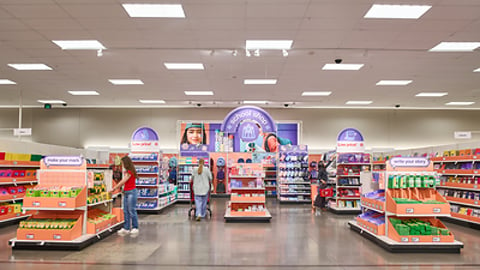
Shopping in-store for back-to-school items hasn't disappeared, but it's losing share, according to the report. A majority (70%) of parents plan to shop in-store this year, down from 79% a year ago. Major online marketplaces will see activity from 67% of parents, while 49% will shop directly on brand or retailer websites.
In addition, 23% of parents plan to shop through social media or influencer recommendations, and the same percentage will find deals using AI, a channel that didn't meaningfully exist in last year's back-to-school season. Most (73%) families will use AI one way or another during the back-to-school shopping process, whether researching brands, comparing products, budgeting or something else.
Other findings from the PwC report are below.
•Children's preferences have the most influence over back-to-school purchasing decisions, cited by 58% of parents. School-provided supply lists shape 55% of purchases, followed by sales, promotions, and discounts (54%). In-store displays influence 37% of purchases,
•Parents expect to spend an additional $635 per month (per household) on recurring expenses once school starts, including $260 on school fees (such as field trip fees, tutoring, or tuition) and $235 on meals and snacks. More than half of survey respondents (54%) expect to spend at least $100 a month on meals and snacks alone.
To read the full report, click here.
PwC surveyed 2,080 adults ages 18 and older in the US between May 20 and 22, 2026.