News

  • Report: It’s beginning to look a lot like a digital Christmas

    Uncertainty among the upcoming presidential election is not dampening holiday sales outlooks.   Indeed, retailers need to be ready to present their holiday best as U.S.-based retail performance over the November through December holiday period is expected to see a 3.2% year-over-year (YoY) lift in sales. This jump is driven partly by a 14.9% increase in YoY sales through digital channels, according to new data from RetailNext.  
  • Moody’s: Walmart, Best Buy leading charge against Amazon

    Brick-and-mortar retailers such as Walmart and Best Buy are not only surviving online, but are thriving due to their sizable physical assets and digital investments.   That’s one of the main findings of a new report by Moody's Investors Service, which says that while Amazon keeps raising the stakes online and has a decade-plus advantage over other retailers in e-commerce, it still faces intense competition from the likes of Walmart and Best Buy, who are raising the bar online for other physical merchants.   
  • Report: Digital-influenced in-store spending keeps rising

    Despite an increase in digitally-influenced retail spending, a gap still remains between retailers and digital shoppers.

    Digital interactions influence 56 cents of every dollar spent in retail stores, totaling $2.1 trillion by the end of the year – up from 14 cents of every dollar in 2013, according to Deloitte's new study, “The New Digital Divide: The Future of Digital Influence in Retail.”

  • Holiday forecast: Higher sales, more online shopping

    The holiday shopping frenzy has begun, and it is shaping up to be more digital than ever.

    Summer has barely said goodbye, but consumers nationwide have already turned their attention to the holidays. In fact, nearly one third of consumers, and nearly half of parents, began holiday shopping before Labor Day.

  • eBags’ new airport mantra: ‘Reunited, and it feels so good’

    All travelers agree: Lost luggage can ruin any trip.

    With an eye on privacy and ease of use, eBags new smart solution hopes to streamline the travel experience. The luggage and travel accessory pure-play retailer has developed an app-enabled ID tag that reunites lost luggage with their owners.

    Unlike the traditional luggage tag, which prominently displays the owner's contact information for anyone to see, the eBags Connected Luggage Tag uses patent-pending privacy controls to let customers control which personal information they display on tags, and when.

  • Electronics giant adds mobile wallet

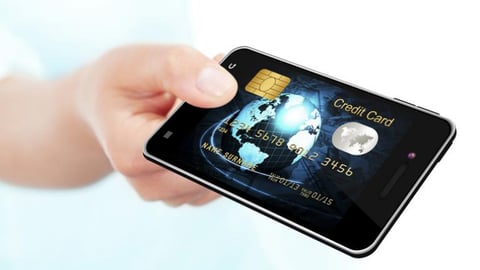
    The mobile wallet wars are heating up again.   Best Buy is the newest retailer to accept mobile payments, a move that it expects to streamline checkout and drive loyalty. A multiyear agreement with Chase enables the chain to accept Chase Pay in its stores, on BestBuy.com, and in the Best Buy app.  
  • ‘Workbars:’ The new gym membership?

    The mobile workforce is changing the face of the workplace, and Staples wants to lead the next phase of this change.  
  • Toys ‘R’ Us continues to narrow loss

    Things are looking up for Toys “R” Us.   The nation’s largest specialty toy retailer posted a 20% increase in operating profit and reduced its net loss for the second-quarter amid reduced costs, including the expense of running its now-shuttered Times Square flagship.    In addition, the retailer announced it successfully reached an agreement to refinance all of its 2017 notes and a portion of its 2018 maturities.  
  • Real estate companies rise on sustainability index

    North American real estate owners and developers ratcheted up their green profiles markedly this year, though they still lag global trendsetters, according to the latest results of an annual sustainability study.   In GRESB’s annual environmental assessment of real estate developers and investment trusts, North American companies averaged a score of 59 out of a possible hundred, a five-point rise from last year and just shy of the global average of 60.  
X
This ad will auto-close in 10 seconds