News

  • Survey: Physical stores still dominate U.S. grocery

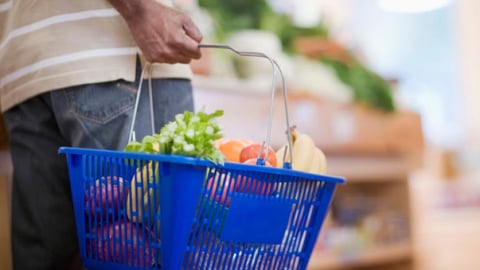
    Discount stores and traditional supermarkets are U.S. shoppers' most popular choices when it comes to buying food. At least for the time being.   Nearly all — 99% — of adults buy some or all of their groceries in-person, according to a survey by the International Council of Shopping Centers. The immediate access to products (71%) and the ability to select fresh meat, dairy and produce (70%) were the top reasons driving in-store shopping, along with the ability to see all other items in person (69%).   
  • Study: Millennials put a premium on store associates

    Generation Y may be tech-savvy, but for many, store employees still play a pivotal role in their overall shopping experience.   In fact, 63% of shoppers aged 18-35 see store associates as extremely important to their retail experience, according to the “Store Associates Report,” from ChargeItSpot. The study is based on responses from more than 600 shoppers at malls across the country.  
  • Online giant preps for Indian version of Prime Day

    Amazon is getting ready to host its fourth-annual flagship sale in India.   The online giant is gearing up for its “Great Indian Festival,” an event similar to Amazon’s Prime Day sale. Amazon is banking on the sale’s deep discounts, exclusive merchandise and buyback offers to attract new customers, according to Live Mint.  
  • Amazon, Whole Foods Market deal a win-win?

    Amazon's purchase of Whole Foods Market appears to be paying off for both parties.    The e-commerce giant has seen a spike in its online grocery sales since it acquired Whole Foods Market, according to a report by Bloomberg, which noted that the online giant immediately put about 2,000 items on its site from Whole Foods' 365 Everyday Value private brand, and sold out of almost all of the most-popular items.  
  • Report: Mobile e-commerce sales to hit $250 billion by 2020

    Mobile e-commerce sales will account for nearly half of all online commerce in just a couple of years.    This was according to “A Mobile Mindset,” the second volume in the five-part series, “The 2017 UPS Pulse of the Online Shopper.” The report, from UPS, is based on input of over 5,189 comScore panelists who made at least two online purchases in a typical three-month period.  
  • Kroger Q2 profit falls on price cuts as same-store sales rise

    Aggressive price cuts took a toll on the nation's largest grocery store operator in its second quarter.    Kroger Co.'s net income fell to $353 million, or 39 cents per share, in the quarter ended Aug. 12, from $383 million, or 40 cents per share, in the year-ago period. Its results were in line with the Street estimates. Gross margins fell by 30 basis points.  
  • Gymboree to exit bankruptcy

    Children’s apparel retailer Gymboree Corp is exiting Chapter 11 bankruptcy as a going concern.   The children's apparel retailer won court approval to exit bankruptcy with a reorganization plan that includes a comprehensive recapitalization that will eliminate about $1 billion in debt. It expects to complete its financial restructuring process and emerge from Chapter 11 by the end of the month.  
  • Postmates launches new subscriber perk — no more delivery fees

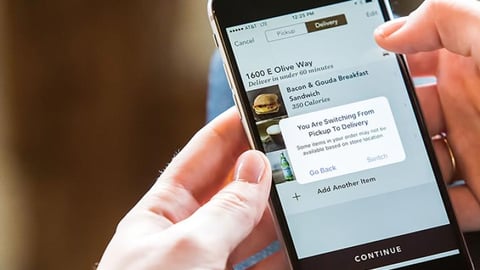
    Postmates just made a strategic move in the online delivery war.    Knowing that delivery fees can exceed the cost of a food order, the on-demand app-based delivery provider has killed delivery fees for orders over $20. This decision entitles Postmates Unlimited subscribers to free delivery for orders placed with any of its 250,000-plus merchant partners.    Postmates members pay a $9.99 monthly subscription fee.  
  • Forecast: Holiday sales to be impacted by ‘lackluster’ wage growth

    One of the first holiday quarter sales forecasts is out of the gate.   Global retail consulting firm Kantar Retail predicts that U.S. retail sales will grow 3.7% in the fourth quarter of this year. The forecast represents an improvement relative to weak growth of only 2.9% in the year ago period. But it is underwhelming compared to average growth prior to the recession of 5.0%, according to Kantar.   
X
This ad will auto-close in 10 seconds