Data & Analytics

  • Holidays looking happier for Zale

    Surprisingly strong sales at Zale’s nearly 1,700 stores propelled the company to its strongest full year financial performance in six years.

    Zale said total company same store sales for its fourth quarter increased 5.6% and margins expanded which allowed the company to delivered its highest net income in six years for its fourth quarter ended July 31. Same store sales at Zale branded stores were even higher at 8.1% on top of a prior year increase of 12.3% the prior year.

  • OfficeMax brings small format to Chicago

    The first OfficeMax Business Solutions Center arrived in Chicago on Wednesday following the small format store’s introduction earlier this year in Milwaukee.

  • Hot on the heels of Whole Foods

    The Fresh Market is hungry for market share in the natural foods space and on the heels of solid second quarter growth said it was accelerating an already ambitious new store opening schedule.

    The operator of 139 stores said sales for the second quarter ended July 28 increased 13.3% to $354.8 million and same store sales advanced 3.4%. Profits increased to $15.6 million, or 32 cents a share, compared to $13.3 million, or 28 cents a share the prior year.

  • Williams-Sonoma sitting pretty for Q2

    SAN FRANCISCO — Specialty home products retailer Williams-Sonoma is reaping the rewards of a rebounding housing market this second quarter ended Aug. 4.

    The company’s net revenues grew 12.3% to $982 million versus $874 million in the year-ago quarter with comparable brand revenue growth of 8.4%, on top of 7.4% in the year-ago quarter.

  • Brown Shoe Co. swings from loss to profit

    St. Louis – Brown Shoe Company swung from a net loss in the second quarter of fiscal 2012 to net earnings in the second quarter of fiscal 2013. The retailer also boosted net sales and same-store sales.

  • Many Happy Returns

    MANY HAPPY RETURNS

    It's no secret that the volume of returned items goes up dramatically during the holidays, and providing a streamlined returns mechanism that effectively guards against fraud is a big and often overlooked part of the in-store holiday experience. Here are two solutions that take a slightly different approach to helping retailers deliver a returns process that rewards good customers, while detecting those with less savory motives.

  • Digital Gift Card Options Abound

    Stored value gift cards have become a staple item in many retailers' holiday assortments. Last year the NRF estimated U.S. consumers would spend close to $29 billion on gift cards during the holiday shopping season, and there is no reason to think the trend is slowing down.

  • Instant Neighborhoods

    Millennials and boomers are driving an urban push

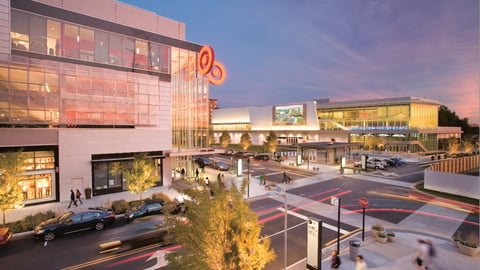
    Generations after people deserted cities for the suburbs, young millennial-generation adults and older baby-boomer adults are moving back downtown.

    Retailers aren't far behind, and new, seemingly instant neighborhoods — complete with housing, retail, offices and other forms of real estate — are springing up in redevelopment areas of cities across the country.

  • PREIT: Matching Mall And Grocer

    Turns out, malls and grocers were made for each other.

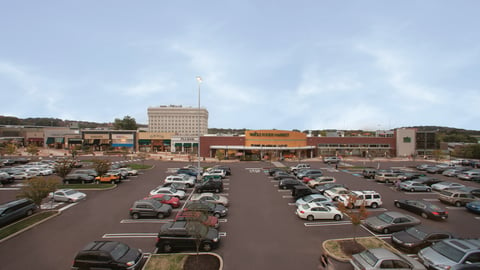
    A few years ago, Philadelphia-based Pennsylvania Real Estate Investment Trust (PREIT) renovated Plymouth Meeting Mall in Philadelphia’s northwestern suburbs.

    The renovation replaced an old Ikea on the site with a lifestyle component called Plymouth Meeting Mall’s Plaza Shops, which leads customers to the mall entrance.

    PREIT brought in a 65,000-sq.-ft. Whole Foods Market as the anchor. 

  • Grocery Evolution

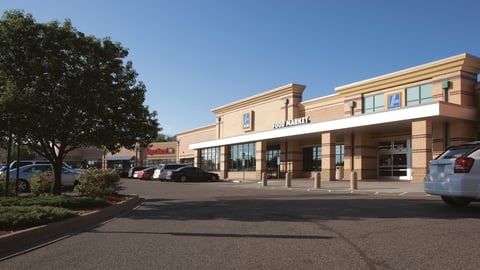
    Widening competition for commodity grocery sales is changing grocery-anchored shopping centers.

    Supermarket-anchored shopping centers haven't changed much since the invention of suburbia. Find a good location, sign a grocery anchor, get a construction loan and some inline local, regional and maybe national retailers, and you're in business.

    Today, however, supermarkets are beginning to change, and supermarket-anchored shopping centers, of course, must follow along.

    Why are grocers changing? Competition from all sides.

X
This ad will auto-close in 10 seconds