Data & Analytics

  • Study: Everybody loves e-commerce

    It seems safe to say the novelty of shopping online has worn off.

    According to a new study examining the online shopping and purchase habits of the U.S. population from e-commerce platform BigCommerce, 96% of Americans are shopping online. E-commerce customers spend an average of five hours per week making online purchases and allocate an average of 36% of their shopping budgets to e-commerce.

    Respondents ranked online shopping ahead of smartphone GPS and streaming media as a basic essential they could not live without.

  • JLL acquires construction-related consulting firm

    JLL has broadened its project and development services (PDS) with the acquisition of Merritt & Harris (M&H), a leading provider of construction-related consulting services for real estate lenders and investors during new construction, renovations and workouts.
     

  • Commentary: Food Network offering shows increasing reach of e-commerce

    The expansion of online fulfillment availability is giving retailers new avenues for selling goods via the Internet.

    The latest example of how non-traditional e-commerce opportunities are popping up is a just-launched partnership between Food Network and Instacart. The lifestyle network/website does directly sell a variety of cooking-related products and utensils online, but until now has not been involved in the sale of food items.

  • Survey ranks fastest emerging global retail markets

    Retailers looking for global opportunities in emerging markets should head to Asia, particularly China, according to a just-released survey.   

    China ranks as the top country in A.T. Kearney’s 2016 Global Retail Development Index (GRDI), followed by India, whose high market potential, fast growth, improved regulatory environment, and ease of doing business pulled it up to second in the rankings. (See end of article for top 30 rankings.)

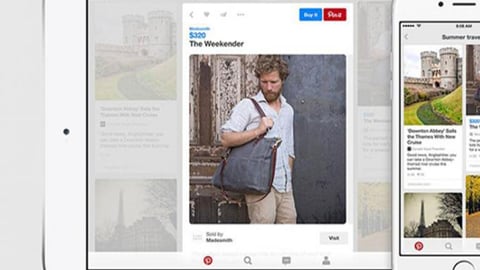
  • Why Aren't Customers Buying Social Buy Buttons?

    Consumers love to shop and love using social media, but somehow the two passions are not connecting.
     
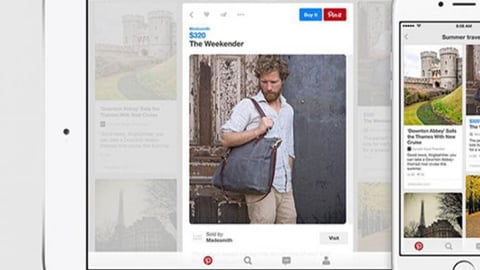
    Twitter, which has been piloting an embedded buy button in tweets since September 2014, is abandoning the effort. Recent studies from Forrester and GlobalWebIndex indicate generally low consumer usage rates for social buy buttons, which are also offered by platforms such as Pinterest and Instagram.
     

  • Wal-Mart looks to future at annual meeting

    The CEO of Wal-Mart Stores called on associates to reimage the chain’s future at the company’s 46th annual shareholders meeting.         “We have the opportunity to reimagine retail again,” said president and CEO Doug McMillon.  
  • Small chain thinks big with personalized promotions

    Marc’s, a 58-store deep-discounter of grocery, health and beauty products and other items, is providing targeted recommendations with help from national partners.   The Cleveland-based retailer is teaming up with Allrecipes to introduce in-store beacon-triggered experiences that provide shoppers with personalized meal recommendations through the Allrecipes Dinner Spinner app. In-store notifications are triggered on shoppers’ smartphones by a Verifone beacon system running on the Footmarks SmartConnect proximity platform.
  • Walmart taking on Amazon with same-day delivery pilot

    Walmart is teaming up with a few third-party partners — including two names very familiar to consumers — to take on its biggest rival in the competitive in the area of online delivery.  
  • Online fraud losses skyrocket

    While online retailers generally understand that fraud can significantly cut into profits, they may not be aware of its full cost — or the different ways it can impact a business.    A new infographic from fraud and risk management technology provider Kount drives home the boomerang impact fraud has on e-commerce. Called “The 10 Deadly Costs of Fraud” for e-commerce retailers, here is a brief summary of its findings:   
  • Tech Bytes: Why Aren't Customers Buying Social Buy Buttons?

    Consumers love to shop and love using social media, but somehow the two passions are not connecting.
     
    Twitter, which has been piloting an embedded buy button in tweets since September 2014, is abandoning the effort. Recent studies from Forrester and GlobalWebIndex indicate generally low consumer usage rates for social buy buttons, which are also offered by platforms such as Pinterest and Instagram.
     

X
This ad will auto-close in 10 seconds